US sanctions boost China’s science-driven innovation by over 70%, study finds
Sanctioned Chinese companies are increasingly turning to open-source research to innovate and reverse-engineer restricted foreign technology, with a 72 per cent surge in scientific literature citations in their patent applications, according to a new study. While the United States said it expanded its Entity List to safeguard national security and preserve its technological edge, an analysis of…
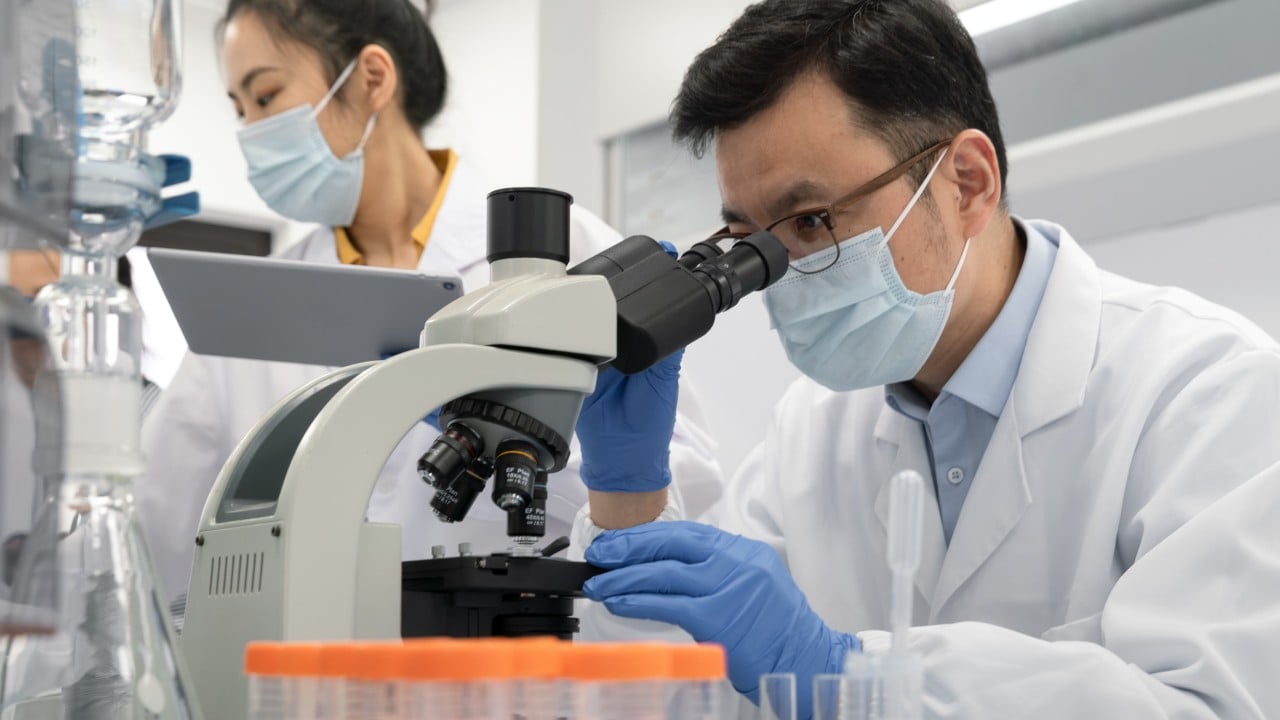
Recent research indicates that US sanctions have significantly boosted China's science-driven innovation by over 70%, as revealed by a surge in scientific literature citations in patent applications. The United States expanded its Entity List to protect national security and maintain its technological advantage, but Chinese companies have responded by leveraging open-source research and conducting more of their own scientific endeavors.
The study, published in the peer-reviewed journal Science, examined Chinese patent filings from 2010 to 2022 and found that US restrictions on technology access led to a 72% increase in science-linked patents citing academic literature. Chinese firms have become increasingly engaged with science, both as consumers of scientific publications and producers of academic research.
Despite this progress, Chinese companies still lag behind US counterparts in scientific breadth and depth, with only 22% of their patents citing scientific literature compared to 37% for US firms. Chinese companies have attempted to mitigate US trade restrictions by focusing on rare earth mining and processing. However, the decoupling of the two nations could lead to the emergence of separate technological ecosystems, potentially resulting in an inefficient flow of knowledge.
Written by urgent.news from South China Morning Post's reporting — not their text. Machine-written — may contain errors; check the original before relying on it.
This story
This is one outlet's version. Read the fullest account.