US dollar eases from peak as oil prices extend decline
The greatest danger for the US dollar lies in the US president increasing pressure on the Federal Reserve again in the coming weeks, says analyst.
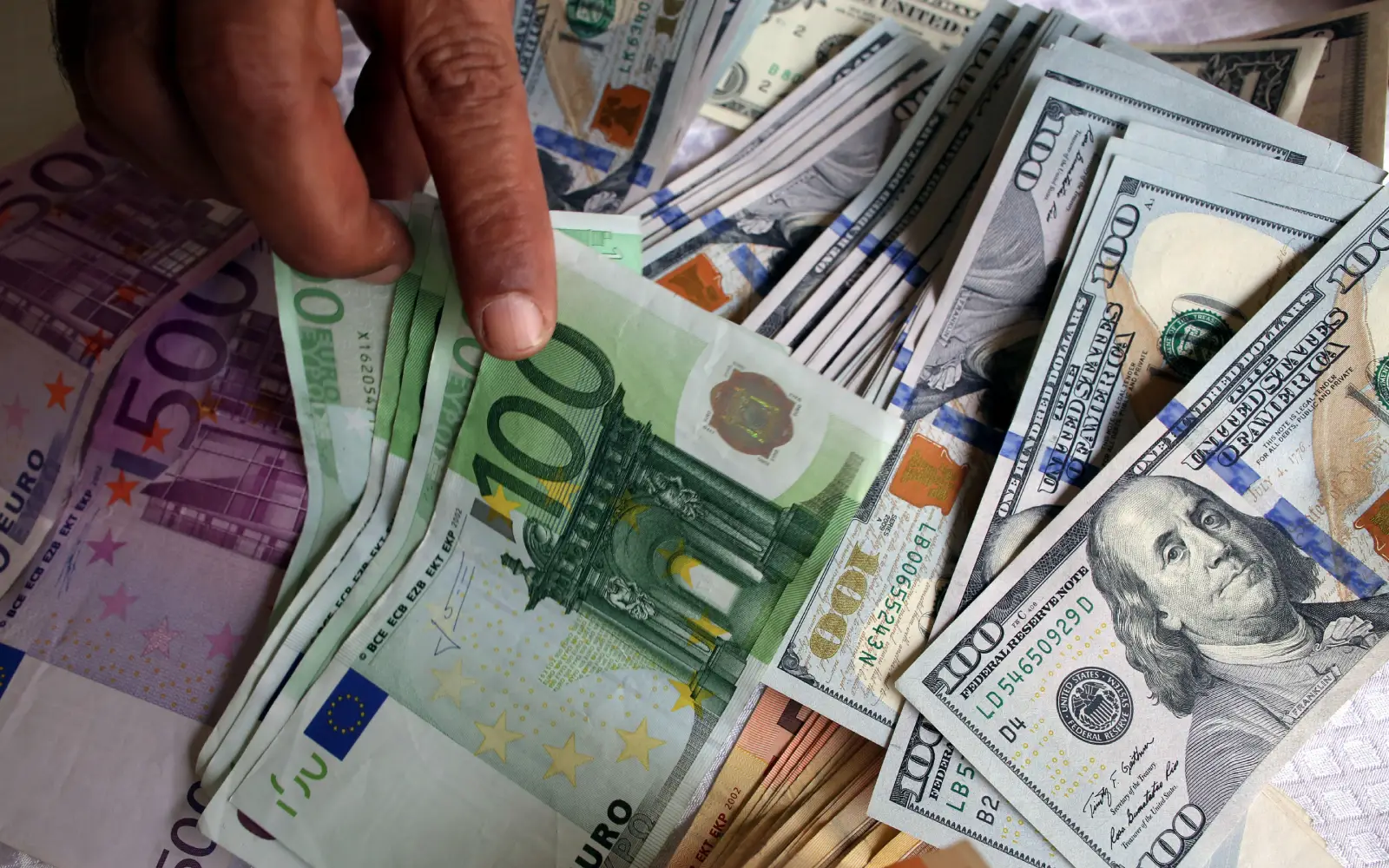
On Thursday, the US dollar climbed to a seven-week high following the Federal Reserve's decision to raise interest rates and signal further hikes. Chairman Kevin Warsh reaffirmed the central bank's independence, despite President Donald Trump's calls for lower borrowing costs. The dollar's rise was attributed to markets' hawkishness, with investors expecting more rate increases in 2026 and beyond, while policymakers projected only one more hike in 2026 and a hold in 2027.
However, the greenback's strength was short-lived as oil prices continued their decline, fueled by reports of Saudi Arabia offering extra crude cargoes through Oman. Oil prices tend to benefit the US dollar because the US economy is less exposed to energy shocks compared to other major economies, attracting demand and causing a shift away from currencies like the euro and yen.
The euro strengthened to US$1.1475, its lowest point in seven weeks, while the British pound dropped slightly against both the dollar and euro after the Bank of England held rates steady but warned of potential tighter policy due to ongoing Middle East conflicts. The Bank of Japan (BOJ) is set to raise interest rates to a 31-year high on Friday, signaling its readiness to maintain higher borrowing costs.
Market participants are closely monitoring BOJ Governor Kazuo Ueda's comments for hints on the timing and pace of further rate increases.
Written by urgent.news from Free Malaysia Today's reporting — not their text. Machine-written — may contain errors; check the original before relying on it.
This story
This is one outlet's version. Read the fullest account.
- Greenback eases from peak as oil prices extend decline; BOJ in focus businesstimes.com.sg
- US dollar eases from peak as oil prices extend decline freemalaysiatoday.com