US dollar eases from peak as oil prices extend decline
The greatest danger for the US dollar lies in the US president increasing pressure on the Federal Reserve again in the coming weeks, says analyst.
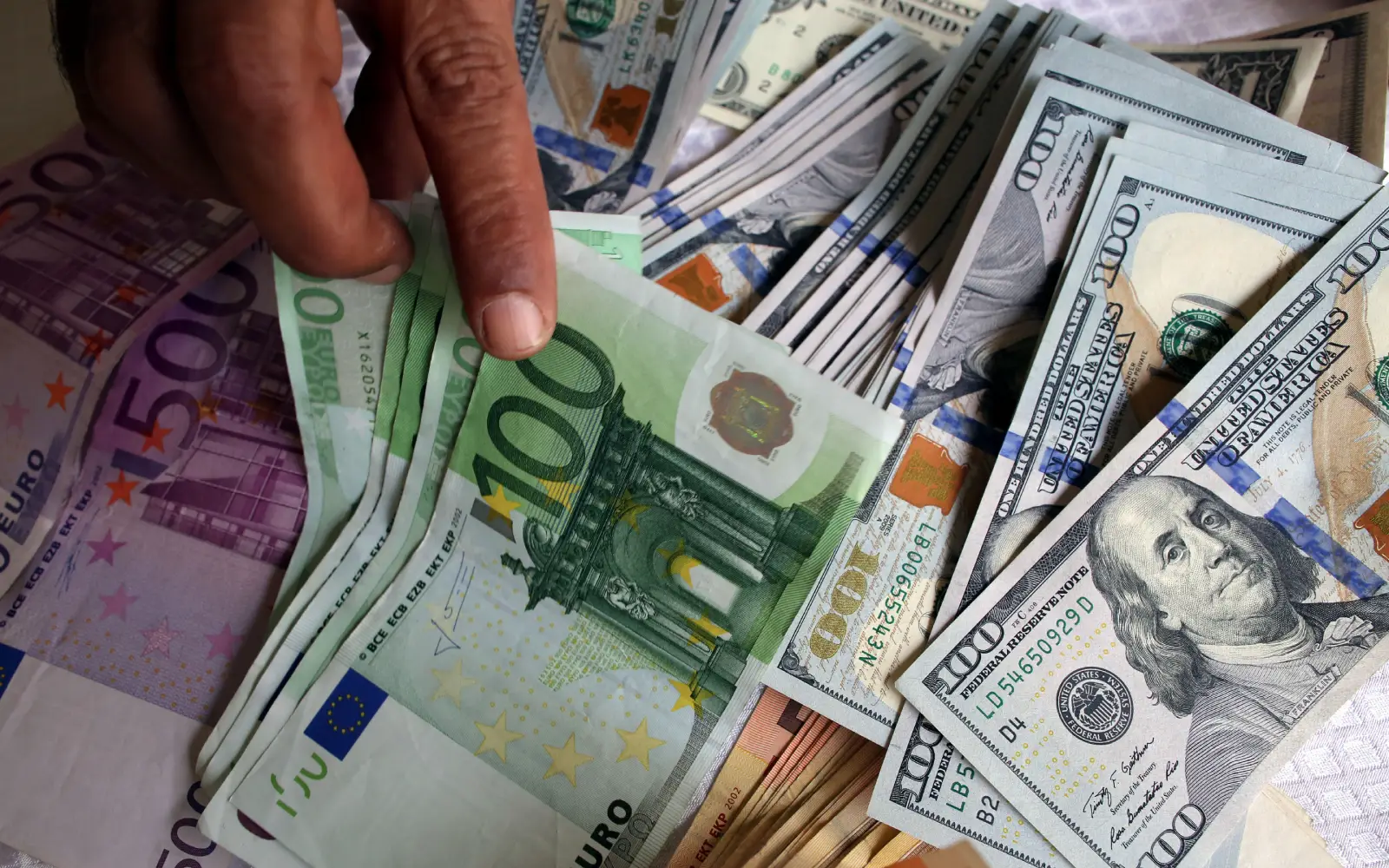
The US dollar experienced a decline from its peak on Thursday as oil prices continued their downward trend, driven by reports of Saudi Arabia offering additional crude shipments via Oman. Following the Federal Reserve's decision to raise rates and maintain its commitment to combating inflation, the dollar initially peaked, but later softened due to reducing concerns over potential supply disruptions.
Federal Reserve Chair Kevin Warsh reiterated the central bank's independence, despite mounting calls from President Donald Trump for lower borrowing costs. The central bank's actions aimed to quell doubts about its commitment to containing inflation, according to Michael Pfister, a strategist at Commerzbank. However, the Fed itself made an effort to reassure markets.
Market sentiment remains more hawkish compared to the Fed's expectations, with analysts projecting an additional rate hike in 2026 and further increases in 2027. The dollar index reached a seven-week high of 100.36, while the euro climbed 0.10% to US$1.1475, marking its lowest level in seven weeks. The British pound slipped slightly against both the euro and the dollar, following the Bank of England's decision to maintain interest rates while warning that prolonged Middle East conflict may necessitate tighter policies.
Meanwhile, the Bank of Japan (BOJ) anticipates raising interest rates to a 31-year high on Friday and expressing readiness to continue increasing borrowing costs. Market participants closely monitor the BOJ Governor Kazuo Ueda's statements regarding the timing and rate of further hikes. Mizuho predicts the BOJ will gradually normalize policy, albeit at a slower pace than current market projections, with rates potentially reaching 1.75% by mid-2027.
The greenback/yen exchange rate declined by 0.43% to 155.65. One significant market trend is the potential repositioning of Japan's Government Pension Investment Fund, with observers monitoring whether higher domestic yields prompt repatriation flows. The yen surged to a seven-month high against the dollar in the previous week, fueled by growing confidence in the Bank of Japan's policy-tightening trajectory.
Despite this, Japanese retail investors have persisted in holding short positions, hoping that the yen's recent gains would be temporary.
Written by urgent.news from Free Malaysia Today's reporting — not their text. Machine-written — may contain errors; check the original before relying on it.
This story
This is one outlet's version. Read the fullest account.
- Greenback eases from peak as oil prices extend decline; BOJ in focus businesstimes.com.sg
- US dollar eases from peak as oil prices extend decline freemalaysiatoday.com