Ultra-processed food may damage your muscles even without weight gain, study finds
Here's an unsettling thought: what you eat for dinner might be reshaping your thigh muscles from the inside out, and obviously, that's not good news. A new study out of UC San Francisco, published in the journal Radiology , found that people who eat more ultra-processed food tend to develop more fat inside their thigh muscles. And it's showing up in people who don't even have knee osteoarthritis…
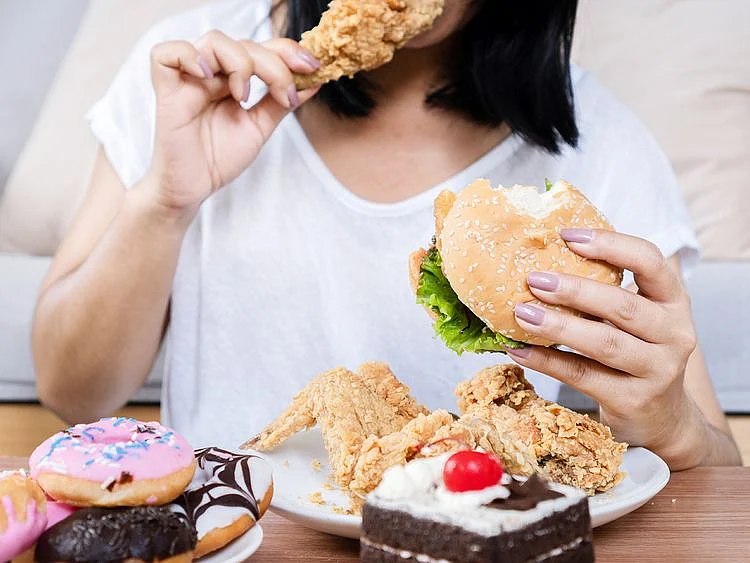
Recent research conducted at the University of California, San Francisco (UCSF) has revealed that consuming ultra-processed foods may lead to the accumulation of fat within thigh muscles, even in individuals without existing knee osteoarthritis. The study, published in Radiology, discovered that people who consumed higher amounts of ultra-processed food tended to develop more fat in their thigh muscles, irrespective of their weight or physical activity levels.
Ultra-processed foods are those that are highly engineered for taste and shelf-life, including items such as sugary cereals, packaged snacks, hot dogs, soda, energy drinks, candy, frozen pizza, ready meals, and mass-produced bread. These foods are primarily designed to stimulate the brain's reward system, often using a combination of sugar, fat, salt, and carbohydrates.
The study observed 615 participants, consisting of 275 men and 340 women, with an average age of 60 and a body mass index (BMI) of 27, indicating that they were all overweight. None of the participants exhibited signs of knee osteoarthritis at the beginning of the study. The researchers found that ultra-processed food constituted 41% of the participants' total diet, as determined by a year's worth of dietary data.
The primary finding of the study was that the more ultra-processed food an individual consumed, the more fat appeared inside their thigh muscles, even after accounting for factors such as total calorie intake, overall fat consumption, physical activity, and demographic information. This connection between ultra-processed foods and thigh muscle fat was not merely a result of increased calorie or fat consumption, as the quality of the food itself appeared to play a significant role.
The presence of this fatty infiltration within the thigh muscles, as observed through MRI scans, indicated a gradual degeneration of the muscle tissue that would not be detectable solely by measuring body weight.
The implications of this study are significant, as knee osteoarthritis is a major healthcare burden, particularly when considered alongside the global epidemic of obesity. Traditional weight-loss advice, which emphasizes reducing caloric intake and increasing physical activity, has not effectively addressed the root cause of the issue.
Dr. Zehra Akkaya, the lead researcher, emphasizes that focusing solely on calorie counting and exercise while disregarding the nutritional quality of food may be insufficient in preventing or mitigating the development of knee osteoarthritis.
Moreover, the study highlights the potential health risks associated with ultra-processed foods beyond their impact on muscle health. While some processed foods can offer nutritional benefits, such as fortified cereals and plant-based alternatives, others may contain unhealthy additives, preservatives, and excessive amounts of sodium, sugar, and unhealthy fats.
The study underscores the importance of prioritizing whole, minimally processed foods like fruits, vegetables, and whole grains, which provide essential nutrients without the detrimental additives and preservatives found in ultra-processed products.
In conclusion, this research underscores the need to reevaluate dietary habits and the role of food quality in preventing and managing health conditions such as knee osteoarthritis. It is clear that the consumption of ultra-processed foods, with their high sugar, fat, and salt content, can lead to detrimental health effects beyond weight gain. Adopting a diet rich in whole, unprocessed foods could be a crucial step in safeguarding muscle health and overall well-being.
Written by urgent.news from Gulf News's reporting — not their text. Machine-written — may contain errors; check the original before relying on it.