The policy is in place, the coordination is still being built — Megat Amirul Saifulnizam Megat Kamarul Bahrin and Azizi Abu Bakar
SEPTEMBER 17 — Malaysia closed 2025 with renewable energy accounting for 31 per cent of its installed electricity...
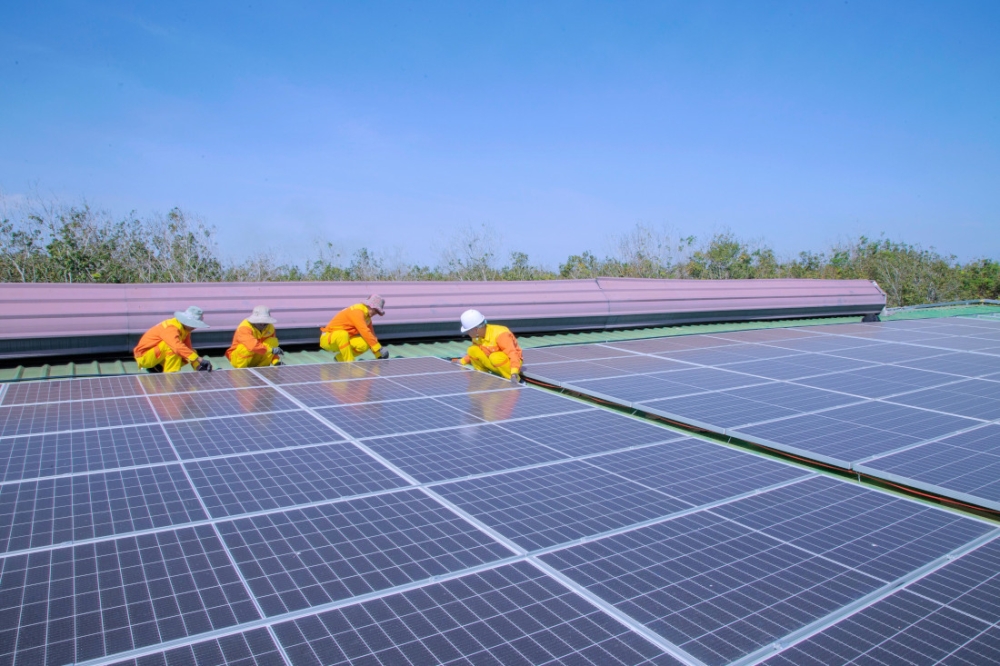
On September 17, Malaysia achieved its renewable energy target of 31% for 2025 as outlined in the Malaysia Renewable Energy Roadmap. The government aims to increase this to 32% by the end of the year, 35% by 2030, 40% by 2035, and 70% by 2050 according to the National Energy Transition Roadmap. This transition is expected to retire coal from the energy system by 2044. The roadmap has attracted significant investment, with around 5.5 gigawatts of new renewable capacity approved.
However, the progress of renewable energy in Malaysia faces challenges due to fragmented approvals, overlapping responsibilities, and weak coordination between federal and state authorities. While the country's energy policies and targets are clear, the actual implementation of projects is more complex. The various ministries, bodies, and state governments have their own mandates and roles, leading to delays and uncertainty in the renewable energy sector.
Investors find it difficult to assess the timeline and potential barriers for projects due to the complexity of approvals and grid access uncertainty. Reporting on renewable energy progress is also fragmented, making it challenging to track actual generation and identify bottlenecks in the approval process.
To address these issues, the article suggests three measures to improve coordination. Firstly, a standing national coordination platform for renewable energy should be established, chaired by ministers and empowered to sequence decisions across agencies. Secondly, a formal federal-state coordination unit should be created to ensure land, planning, and approval questions are addressed alongside national targets.
Lastly, a shared data and monitoring platform should be developed, using common definitions and published openly, covering approvals, project timelines, and actual generation. These coordination reforms aim to reduce friction between the existing institutions without changing their mandates. The public also plays a role through Net Energy Metering, the Green Electricity Tariff, and local decision-making on land use and planning approvals.
Written by urgent.news from Malay Mail's reporting — not their text. Machine-written — may contain errors; check the original before relying on it.