The Pinglu Canal is a pivotal moment in Asean–China relations — Phar Kim Beng
SEPTEMBER 17 — The opening of the Pinglu Canal on September 16, 2026 should be understood as more than the complet...
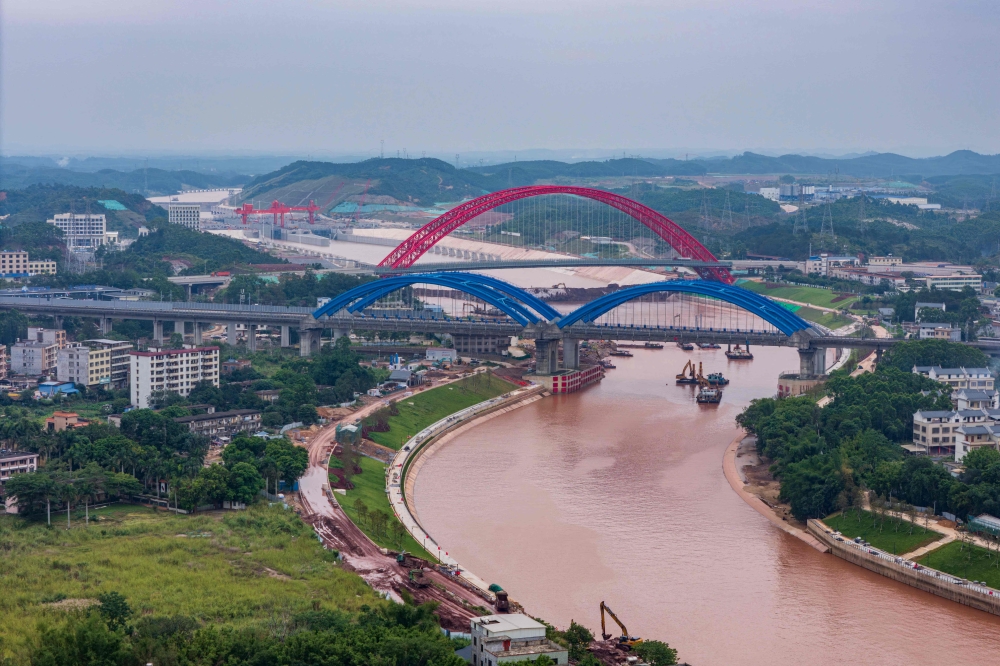
On September 16, 2026, the opening of the Pinglu Canal marked a significant development in Asean-China relations. More than just a completion of another impressive Chinese infrastructure project, the canal is potentially a pivotal moment in Asean-China relations. By altering the economic geography connecting southwestern China with Southeast Asia, the 134.2-kilometre canal in Guangxi provides a shorter route to the sea for southwestern China, reducing inland shipping distances by over 560 kilometres.
Logistics costs could decline by 18 to 30 percent. The Beibu Gulf, adjacent to Vietnam and opening towards Southeast Asia, enables goods from Guangxi and China's southwestern regions to directly enter Asean, changing the orientation of parts of western and southwestern China. The canal's operation featured an international route connecting Nanning with Can Tho in Vietnam, carrying commodities like building materials, minerals, steel, and fertiliser.
This development strengthens two-way trade between China and Asean, with Chinese customs data showing a 18.2 percent year-on-year increase in trade in the first half of 2026. For Malaysia, improved connectivity could strengthen the China-Malaysia Qinzhou Industrial Park, allowing Malaysian companies to access China's western economic hinterland.
Other Asean members, including Vietnam, Thailand, Singapore, Indonesia, Malaysia, and Brunei, should consider how Pinglu impacts their ports, maritime economies, and supply chains. Asean should approach Pinglu actively, ensuring it becomes a two-way artery for Asean products to penetrate China's western markets.
Written by urgent.news from Malay Mail's reporting — not their text. Machine-written — may contain errors; check the original before relying on it.