Tanken immer teurer: Spritpreisrekorde: Jetzt ist auch Diesel teuer wie nie zuvor
Die Krise im Nahen Osten treibt die Kraftstoffpreise in Deutschland von Rekord zu Rekord. Der Ruf nach Staatshilfen wird lauter.
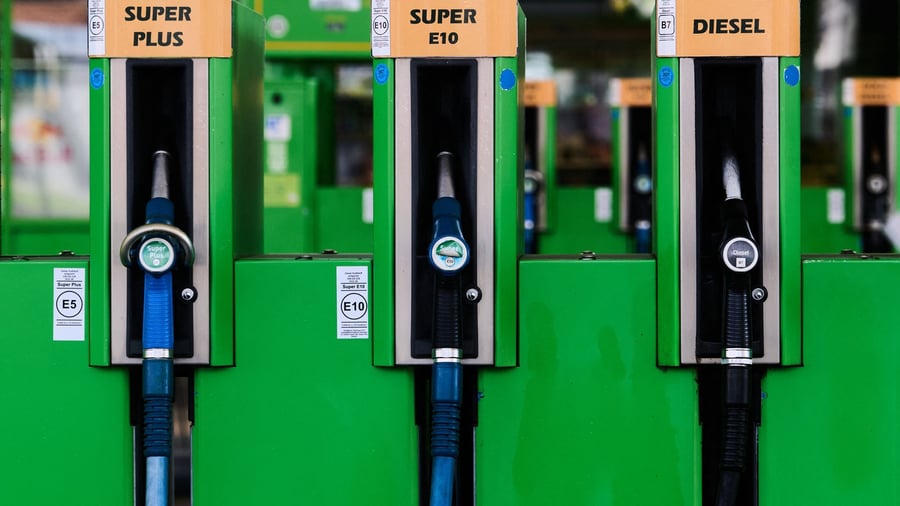
In Germany, diesel fuel prices have reached unprecedented highs, now matching the cost of gasoline for the first time ever. On Wednesday, a liter of diesel cost an average of 2.453 Euros across the country, surpassing the previous record set in April by 0.6 cents. Gasoline has been at record levels for several days, hitting its fifth consecutive high at 2.314 Euros per liter on Wednesday, marking a 3.1 cent increase compared to Tuesday. The price of E10, a blend of gasoline and ethanol, rose by 1.4 cents.
The surge in fuel prices began with the outbreak of the Iran war in late February. Since the end of August, prices have risen significantly again, exacerbated by recent escalations in the Persian Gulf and concerns over oil supply. Diesel is currently 71 cents pricier than a week before the war started, while E10 is 54 cents more expensive.
When adjusted for inflation, fuel prices were already higher than before the war's start. For a typical gasoline car driving about 800 kilometers per month with an average consumption of 8 liters per 100 kilometers, this translates to an additional 34 Euros per month at current prices. For a diesel car with 1,400 kilometers driven and 7 liters consumed per 100 kilometers, the additional cost is 69 Euros.
The debate over relief measures has intensified in politics, with proposals from both the Union and SPD parties. Proposals include tax reliefs, adjustments to the CO2 surcharge, a temporary reduction in value-added tax for fuels from 19% to 7%, and other measures like income-adjusted direct payments, price caps, or excess profit taxes.
However, economists have criticized measures aimed at lowering pump prices, arguing that they would benefit all consumers, not just those who need relief, and prevent the high prices from encouraging more economical consumption. The farmers' association also criticized the value-added tax reduction proposal, stating it would not help farmers as the VAT is a recurring expense for them.
Spediteurs and fishermen have also joined the criticism of the value-added tax proposal. The intense regional variations in fuel prices and fluctuations throughout the day further complicate the situation.
Written by urgent.news from Handelsblatt's reporting — not their text. Machine-written — may contain errors; check the original before relying on it.