Sungkyunkwan University research offers design guidelines for organic solar cells
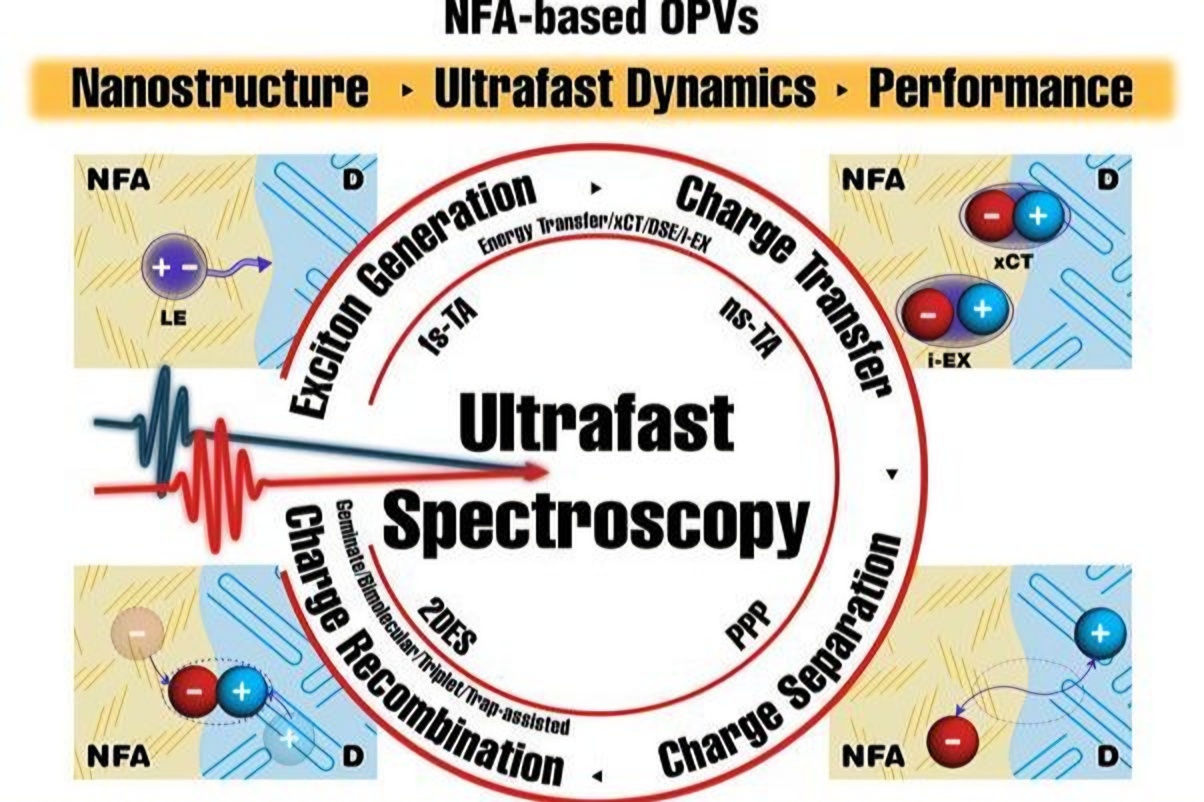
A Sungkyunkwan University research team has analyzed an ultrafast process through which electricity is generated in organic solar cells, offering design guidelines for developing more efficient materials. The university said Monday that the team, led by chemistry professors Kim Tae-yeon and Ko Doo-hyun, conducted the analysis, providing insights for the development of higher-performance solar…
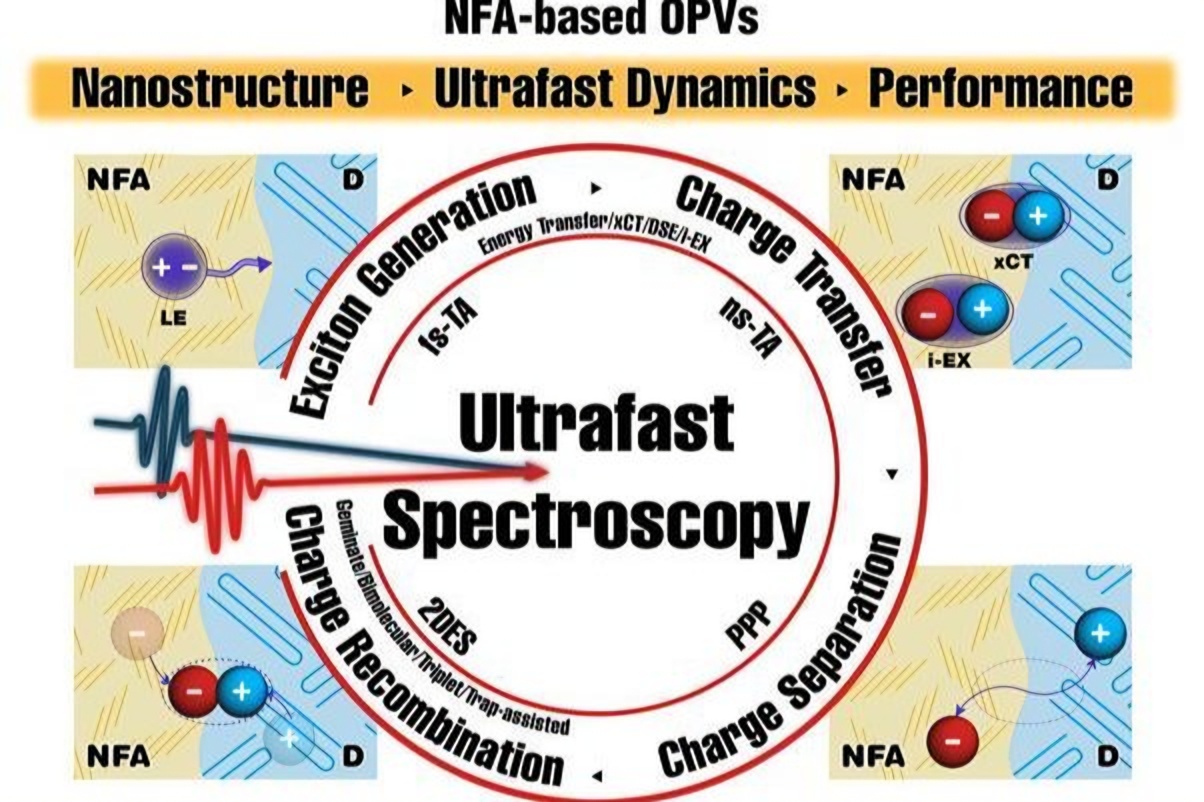
Sungkyunkwan University researchers have uncovered the ultrafast process by which electricity is generated in organic solar cells, providing valuable design guidelines for improving the efficiency of these materials. Led by chemistry professors Kim Tae-yeon and Ko Doo-hyun, the team's analysis offers insights for the development of more advanced solar cell materials.
Organic solar cells are an emerging clean energy technology known for their flexibility and transparency. Unlike traditional silicon solar panels, which are heavy and rigid, organic solar cells utilize lightweight, thin films that can be bent and shaped. This unique property makes them a promising technology that could be integrated into various surfaces, such as windows or clothing.
A recent breakthrough in organic solar cell technology involves the discovery of non-fullerene acceptors, a new class of materials that significantly enhance the efficiency of converting sunlight into electricity. However, the exact mechanism by which electricity is generated in these materials when they absorb sunlight has remained unclear. To address this knowledge gap, Sungkyunkwan University researchers embarked on a detailed investigation.
Written by urgent.news from The Korea Times's reporting — not their text. Machine-written — may contain errors; check the original before relying on it.
This story
This is one outlet's version. Read the fullest account.