Sungkyunkwan University research offers design guidelines for organic solar cells
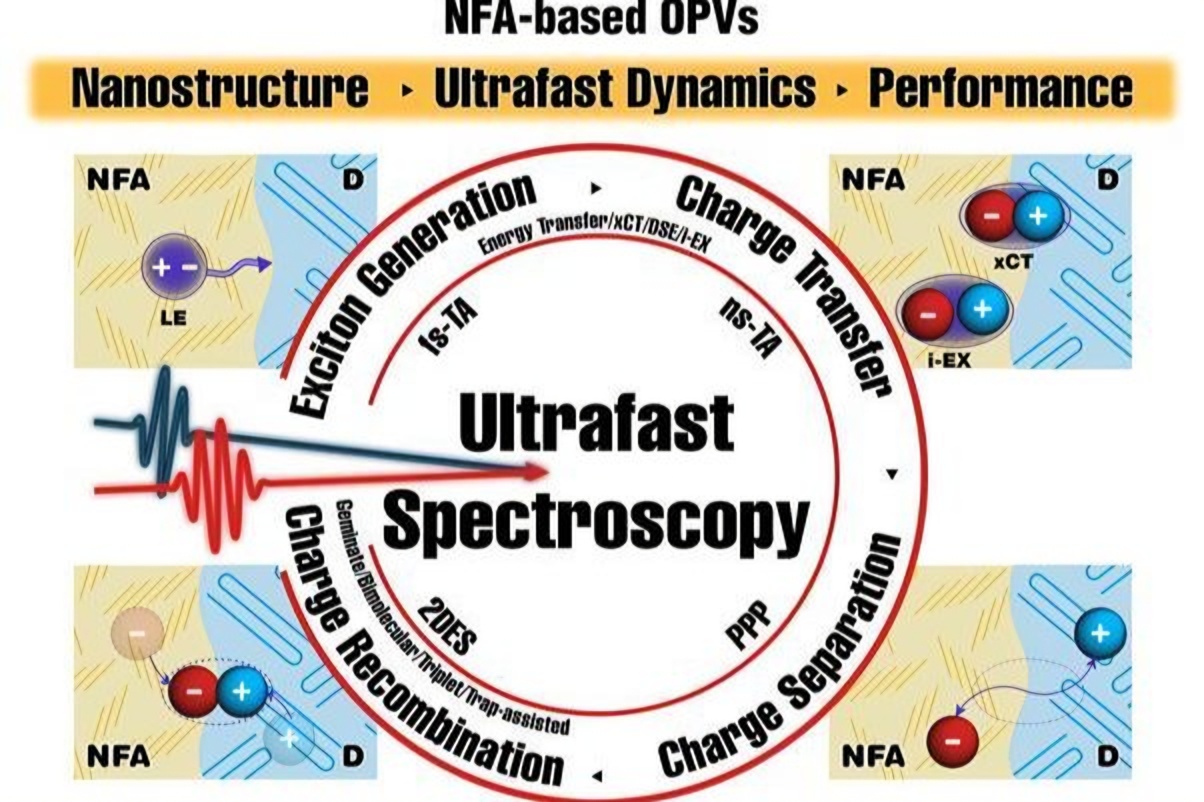
A Sungkyunkwan University research team has analyzed an ultrafast process through which electricity is generated in organic solar cells, offering design guidelines for developing more efficient materials. The university said Monday that the team, led by chemistry professors Kim Tae-yeon and Ko Doo-hyun, conducted the analysis, providing insights for the development of higher-performance solar…
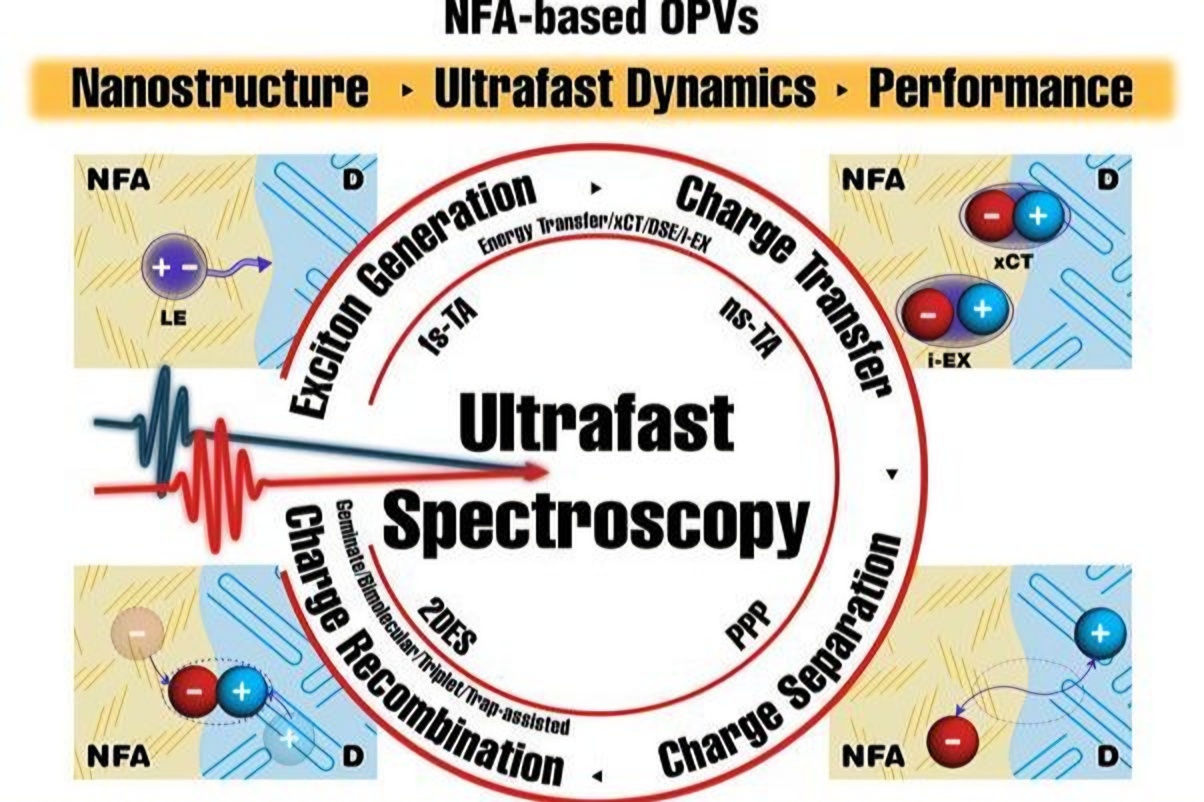
A research team from Sungkyunkwan University has delved into the ultrafast process of electricity generation in organic solar cells, unveiling design guidelines for enhancing material efficiency. Led by chemistry professors Kim Tae-yeon and Ko Doo-hyun, the team's analysis offers valuable insights into the development of superior solar cell materials.
Organic solar cells, also known as next-generation clean energy technology, are favored for their flexibility and transparency. In contrast to traditional silicon solar panels that are heavy and rigid, organic solar cells utilize lightweight, thin films that can be bent and shaped. This unique characteristic makes them a promising technology with potential applications in windows and clothing.
Recent advancements have introduced a new class of materials called non-fullerene acceptors, which have shown significant promise in improving the efficiency of converting sunlight into electricity. However, the exact mechanism of electricity generation in these materials during sunlight absorption has remained a mystery. To shed light on this enigma, the research team embarked on a mission to unravel the underlying process.
Written by urgent.news from The Korea Times's reporting — not their text. Machine-written — may contain errors; check the original before relying on it.