South Africa’s asset declaration form ‘very limited’, Madlanga Commission hears
World Bank anti-corruption specialist Laura Pop told the Madlanga Commission that gaps in South Africa’s asset declaration system could make it difficult to detect undisclosed wealth and conflicts of interest among officials.
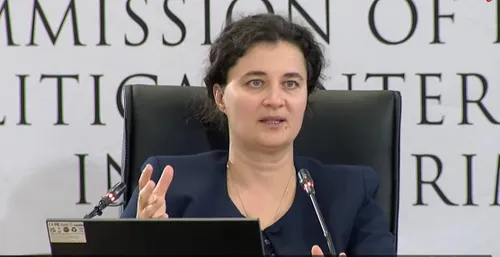
South Africa's asset declaration form is so limited that even a top-notch oversight body would struggle to effectively examine officials' financial interests, warned international anti-corruption expert Laura Pop during her testimony to the Madlanga Commission on Wednesday. Pop, a senior financial sector specialist at the World Bank and member of the Stolen Asset Recovery Initiative, testified based on her own knowledge and case studies from countries like Kenya, Albania, Moldova, and Ukraine.
She emphasized that extraordinary vetting should be a last resort, used only when corruption, capture or infiltration had reached a critical point where conventional accountability mechanisms could no longer respond. The commission, given its limited lifespan and scope, might find it challenging to conclude that systemic issues existed, Pop stated, as the inquiry would only cover a small portion of the criminal justice system.
Pop argued that systemic failure should be assessed using a variety of sources, including criminal justice outcomes and broader research into organized crime, rather than relying solely on the number of cases. She also stressed that extraordinary vetting should be exceptional, time-bound, and conducted by an independent body with appropriate expertise.
Pop cautioned that investigations focused on conduct could be slower and require more resources, suggesting that a risk-based approach should prioritize identifying serious discrepancies. Consequences should be proportionate, and removal should only occur if the official failed the integrity evaluation or refused to comply with disclosure obligations.
Pop noted that while foreign systems often allow officials to resign instead of undergoing evaluation, rules were needed to prevent officials from moving from one criminal justice institution to another without proper vetting. She emphasized that extraordinary vetting should be part of wider institutional reform, not an end in itself.
Written by urgent.news from IOL's reporting — not their text. Machine-written — may contain errors; check the original before relying on it.