Scientists identify rare genetic mutation that dramatically raises risk of lung cancer in nonsmokers
A genetic mutation that raises lung cancer risk was much more common among those born in Southeastern states than elsewhere in the U.S.
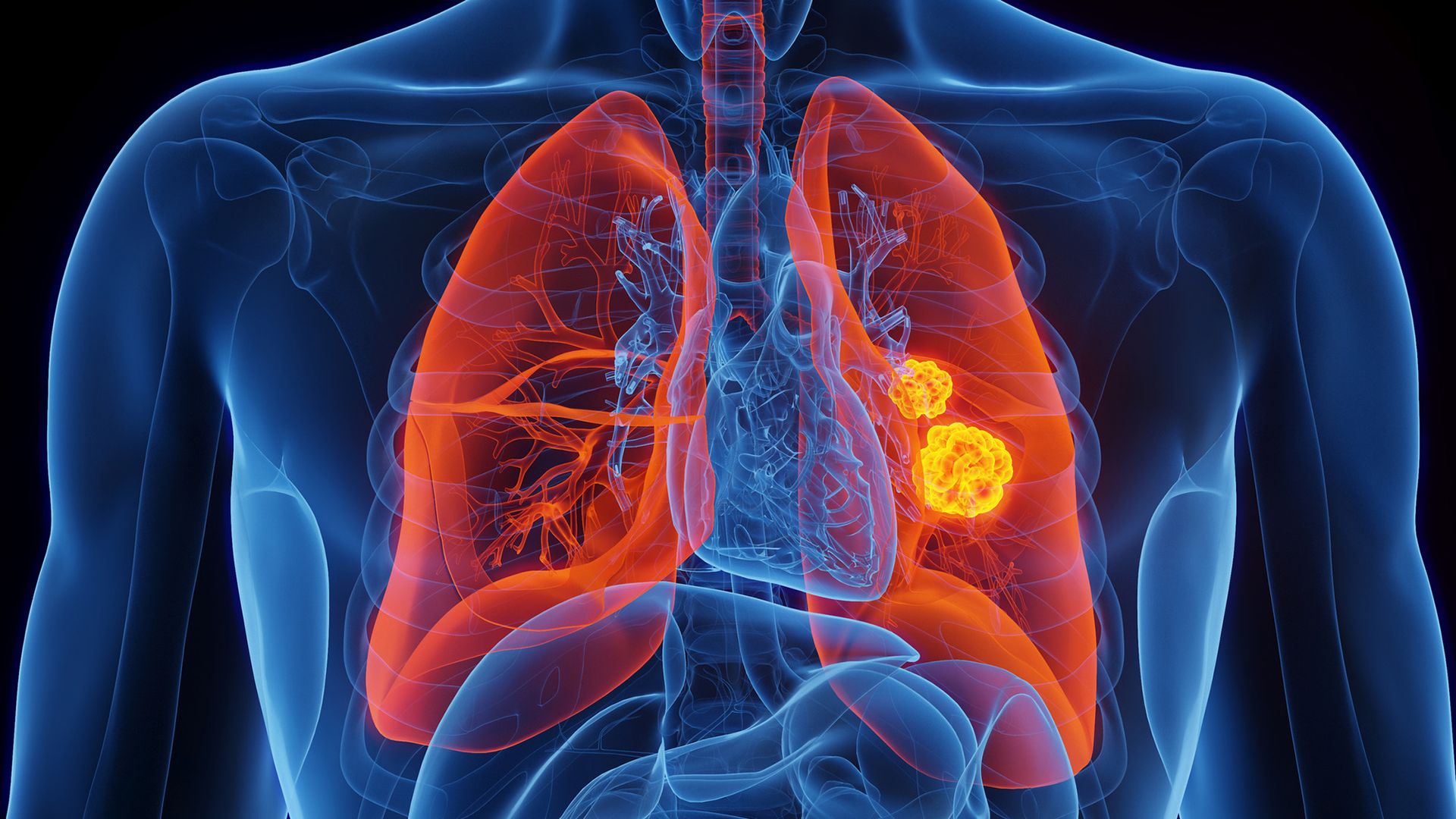
Scientists have discovered an inherited genetic mutation that significantly increases the risk of lung cancer in individuals who have never smoked. The mutation, called EGFR T790M, affects the EGFR gene, which controls cell growth, division, and survival. Researchers found that nonsmokers with the mutation were 62 times more likely to develop lung cancer compared to nonsmokers without the mutation.
Smokers with the mutation were 11 times more likely to get lung cancer compared to smokers without it. The mutation, which is relatively rare, was found in about 1 in 15,850 people of European ancestry. It is more common in the Southeastern United States, particularly in Alabama, Mississippi, and Tennessee. Researchers believe the mutation was brought to the U.S. by settlers from the British Isles in the early 1700s and became more prevalent in the southern Appalachia region.
The mutation's discovery could help determine earlier screening for lung cancer and influence treatment decisions for those with lung cancer.
Written by urgent.news from Live Science's reporting — not their text. Machine-written — may contain errors; check the original before relying on it.