Risk of unrest in Asia as Iran war, El Nino threaten food supplies
Severe weather disruptions will amplify food security risks in Asia, potentially triggering civil unrest and political instability in vulnerable countries such as India, Indonesia and the Philippines, according to consultancy Verisk Maplecroft. The warning comes as the war in Iran has already disrupted fuel and fertiliser supplies, both of which are key agricultural inputs. Now, weather extremes…
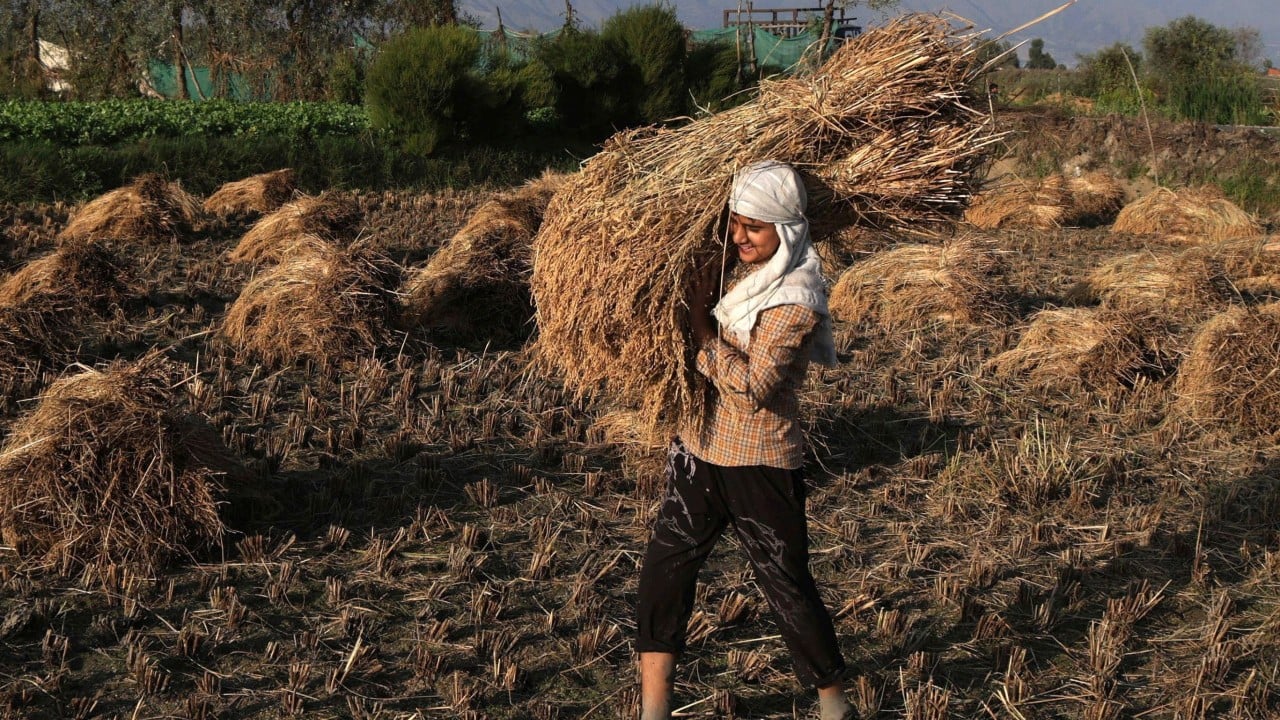
Severe weather disruptions and the ongoing war in Iran are causing food security risks in Asia that could lead to civil unrest and political instability, according to consultancy Verisk Maplecroft. The war has already disrupted fuel and fertilizer supplies, both vital for agriculture. Now, weather extremes associated with a powerful El Nino are further threatening crops across the region.
Indonesia, the world's largest palm oil producer, is facing uncontrollable wildfires that are disrupting harvests. India, a top rice exporter, is experiencing monsoon rains 15% below normal, while Thailand's sugar harvest is expected to suffer. These combined threats of war and weather are driving up food inflation, an established trigger for unrest.
Over half of the countries identified as high or very high risk on Verisk Maplecroft's Food Security Index also rank in the two highest categories of its Civil Unrest Index, which includes India, Bangladesh, the Philippines, and Indonesia. Recent protests have already erupted in these nations. The report warns that if food price and availability pressures continue to worsen, and governments fail to respond effectively, unrest and political instability could emerge in these higher-risk markets.
Conflict-afflicted nations like Afghanistan and Myanmar face an even greater risk of a humanitarian catastrophe if a food shock occurs. Thailand, heavily dependent on imported energy and fertilizers, is also facing mounting pressure from debt-ridden farmers ahead of the next planting season. Verisk Maplecroft concludes that the impacts are becoming increasingly visible, with many key agricultural regions having to make planting and fertilization decisions during the peak of the disruption, potentially locking in negative outcomes even if the geopolitical situation improves in the coming months.
Written by urgent.news from South China Morning Post's reporting — not their text. Machine-written — may contain errors; check the original before relying on it.
Also reported by 1 other outlet
- Guatemala to provide food aid as El Nino causes severe drought freemalaysiatoday.com