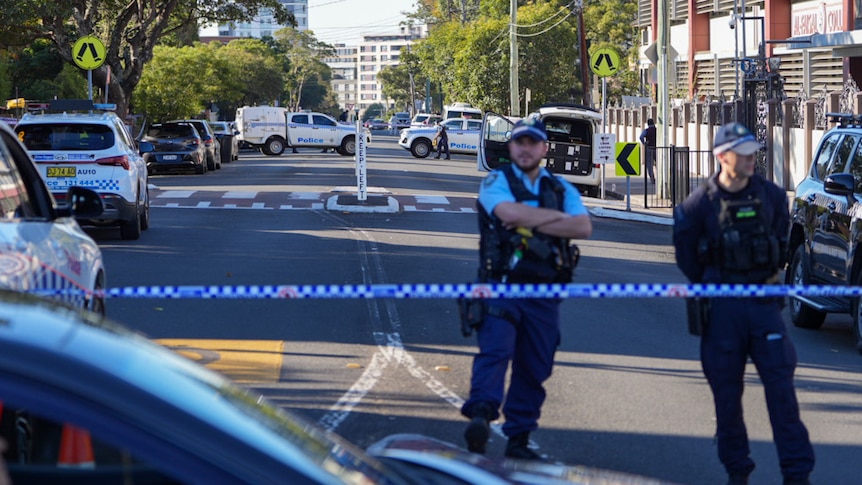
Punjab opposition leader petitions LHC against amendments in anti-terrorism law
Urges court to declare section 21AAA ultra vires the Constitution and to suspend its operation
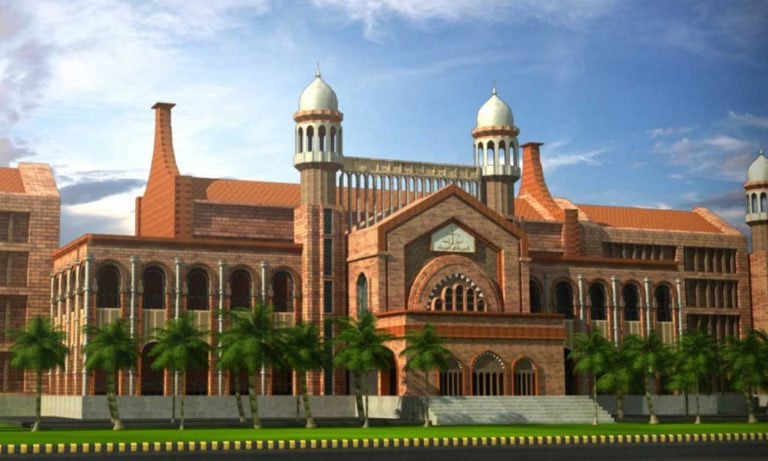
Moeenuddin Riaz Qureshi, Leader of the Opposition in the Punjab Assembly, submitted a petition to the Lahore High Court on Thursday challenging recent amendments to an anti-terrorism law. These amendments introduced Section 21AAA, which permits a special security case mechanism for terrorism cases. This new provision allows the identities of the judge, prosecutors, defense lawyers, and witnesses to remain secret.
The petition argued that Section 21AAA conflicts with the existing Section 21AA of the Anti-Terrorism Act, which grants protective powers to courts, not the executive. The petition contended that Section 21AAA is unconstitutional, as it violates Article 143 of the Constitution, which prohibits the executive from unduly interfering in judicial processes.
It also challenged the provision's violation of the right to open justice and fair trial under Articles 9, 10-A, and 14 of the Constitution, equality before the law under Article 25, and the separation of powers under Article 175(3). The petition questioned the excessive delegation of legislative power, as the law lacked objective criteria for classifying cases as "special security cases."
The petitioner urged the court to declare Section 21AAA void and suspend its operation, including restraining authorities from labeling cases as such during the petition's duration. Under Section 21AAA, a designated officer of at least BS-20, whose identity remains confidential, can declare a case or a class of cases a special security case.
Upon the officer's request, the LHC chief justice can assign the case to an anti-terrorism court's judge. Once classified as a special security case, all involved parties' identities are concealed, with judicial orders using official titles instead of judges' names, and witnesses identified through coded references. Trial records remain sealed, and trials can be held in secure locations or via video link, including from prisons.
Written by urgent.news from The Express Tribune - Pakistan's reporting — not their text. Machine-written — may contain errors; check the original before relying on it.
This story
This is one outlet's version. Read the fullest account.