Por qué el fabricante español que solo vende en Europa está más expuesto de lo que cree
Alemania, Francia e Italia no son tres mercados: son el mismo riesgo con tres nombres distintos
In 2008, investors believed their investments were diversified because they had distinct forms, names, ratings, and entities. No further scrutiny was deemed necessary since there had been no major issues for years, and excessive questioning felt almost impolite. This mindset is known as the abundance myopia: the habit of ignoring a risk because it had yet to strike.
When the attack arrived, it hit everyone simultaneously, as beneath many distinct names lay a shared risk: the US housing bubble. Recently, I spoke with a canned food manufacturer (whose name I omitted at their request, though their company has been in the market for over 30 years with an impeccable reputation). They were asked about commercial uncertainty and explained with calm assurance that their company was safe because they sold in several European countries—Germany, France, Italy, Portugal.
"We are diversified," they said. I immediately recognized this phrase, recalling the same myopia from 2008 but applied to a different product and year. This diversification does not diversify anything; Germany, France, and Italy share a currency, monetary policy, and economic cycle, and now share something more delicate: the same tariff exposure, as the EU negotiates as a bloc for all 27 countries at once.
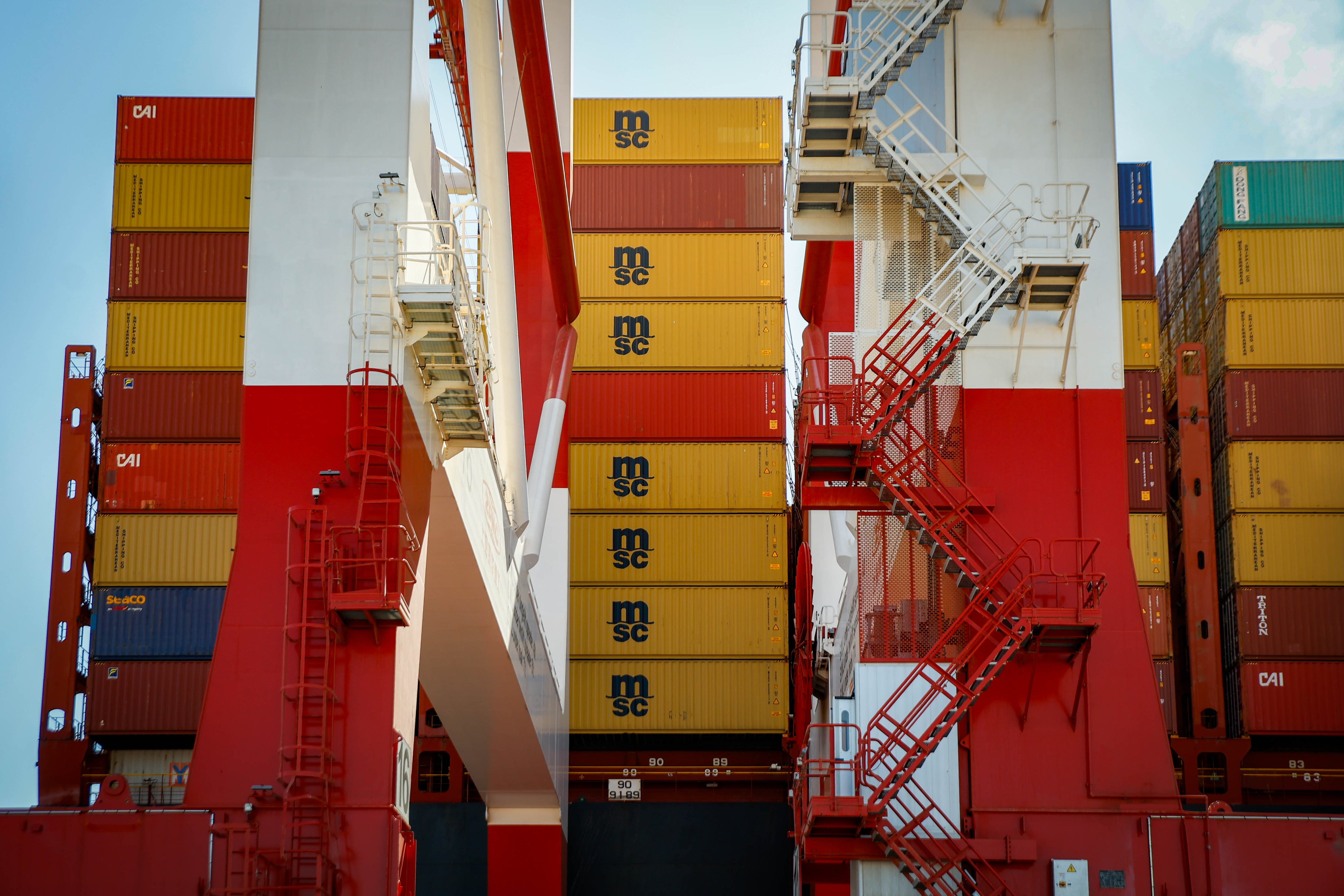
When Washington raises a tariff, it does not raise it for Spain separately; it raises it for all 27 at once. This tariff increased from 10% to 15% in a matter of months, and the US Supreme Court later overturned part of the levies, prompting the Administration to activate others shortly after, all in a bloc. It is worth explaining a figure rarely read with nuance: Spanish exports to the United States fell by 8% in 2025.
It sounds alarming until one considers what is included. A mix of steel, automotive, and industrial machinery with canned seafood in the same statistical cocktail. A factory of heavy equipment depends on foreign investment decisions that freeze in the face of uncertainty. A canned food factory depends on people continuing to eat, and people eat three times a day whether the news is alarming or not.
However, this resistance has a limit: when inflation truly tightens, consumers do not stop buying but switch brands without permission. And I try to be fair: lack of investment in international expansion is not laziness; I believe it is survival in the day-to-day. But the blame is not only for tariffs or geopolitics; it is for four internal brakes that are rarely named aloud: the unresolved generational succession—over 70% of Spanish SMEs are family-owned, and only one in three survives to the second generation—, the excess of talent capable of managing an international operation; the pure lack of knowledge of other markets, as no one exports to a country they cannot read; and the custom itself, that comfort of decades of local market that is the least confessed reason why so many companies do not try.
What is true diversification, then? It is not adding countries to the map. It is choosing markets that respond to distinct stimuli and value what Europe does best: the United States, Canada, Mexico, the Mercosur block, Australia, Japan. In all of them, the European product competes with a little-discussed advantage: reasonable price compared to local production, and the label "Made in Europe," which is read as synonymous with quality.
Governments are acknowledging this with facts: this year, Spain has activated a line of 750 million euros, with non-reimbursable tranches, for exporting SMEs. When I bid farewell to the canned food manufacturer, I asked if they had ever considered Canada. The EU-Canada trade agreement facilitates access to that market, although some vegetable canned foods face a temporary tariff safeguard this year.
They paused, thinking like someone awakening from a myopia they had never known they had. So I ask you, too: in how many of your current markets would an increase in tariffs tomorrow have the same effect at once? In how many countries do you sell, and how many of them, in reality, move together? If the answer is "all," you are not diversified. You have only changed the label on the same can.
Written by urgent.news from El Pais Economia's reporting — not their text. Machine-written — may contain errors; check the original before relying on it.
This story
This is one outlet's version. Read the fullest account.