Peruntukan ada tapi projek Sabah dan Sarawak tersekat isu tanah, logistik
Ahli ekonomi berkata kadar perbelanjaan rendah tidak semestinya bermakna kerajaan persekutuan kurang komited kerana kemajuan projek bergantung pelaksanaan di lapangan.
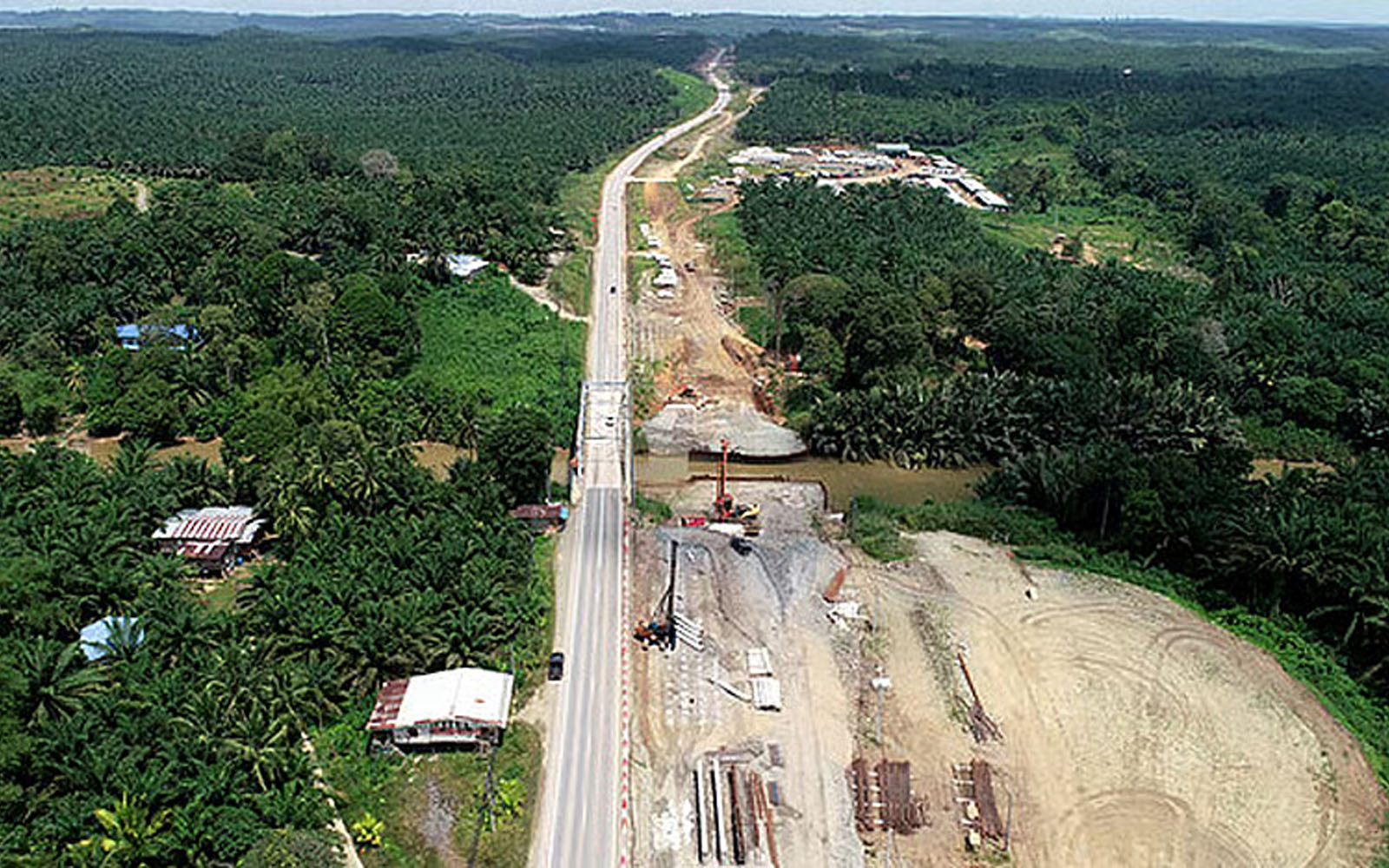
Economic experts emphasize the importance of ensuring projects are completed on schedule, with high quality, and genuinely benefiting the people of Sabah and Sarawak. The issues of land acquisition, logistics, terrain and coordination between agencies have slowed development projects in the two states, according to two economists.
They suggest that low spending levels do not necessarily indicate the federal government is failing to allocate funds or lack commitment to the development of both states. Chief Economist at Bank Muamalat Malaysia Bhd, Afzanizam Abdul Rashid, clarifies that expenditure does not equal implementation, as projects need to go through several processes before funds can be translated into physical infrastructure.
"The expenditure is different from implementation. The money may have been allocated, but before it can be translated into roads, bridges, schools or water supply, there are several layers of processes that need to be resolved," he tells FMT. In November 2024, the Deputy Prime Minister (Federal Territories) Dr Zaliha Mustafa stated that Sabah and Sarawak each record 1,244 and 1,124 development projects, the highest in the country.
However, the spending levels for both states at that time were only 46.7% and 54.43%. Sabah's performance improved in 2025 when the Finance Ministry announced that RM5.9 billion, or 89% of the RM6.7 billion allocated budget for the state's development projects, has been saved. The ministry has previously explained that project expenditure is managed by execution agencies according to progress and work status.
Afzanizam notes that the challenges of accessibility in Sabah and Sarawak, their scattered positioning, terrain variations, and the location of projects far from the economic center further increase project complexity. He adds that land acquisition issues and land grabbing can also delay projects. "For example, in the Sarawak-Sabah Link Road Phase 2 project, land survey and site preparation have started in January 2025, but land acquisition for some sectors is still underway.
'If a chain like land, approval, contractor or logistics is affected, the entire project schedule can be disrupted," he explains. Meanwhile, Tan Peck Leong from Universiti Teknologi Mara (UiTM) points out that expenditure figures in the budget do not necessarily mean all the funds have been paid out at the beginning of the year.
Instead, payments are made incrementally based on completed work and verification. "For example, if a contractor has completed half the work, the government should not pay the full value of the project to merely demonstrate a high spending level. 'More importantly, it is crucial to ensure that projects are completed on schedule, have high quality, and truly benefit the people of Sabah and Sarawak," he adds.
Written by urgent.news from Free Malaysia Today's reporting — not their text. Machine-written — may contain errors; check the original before relying on it.
Also reported by 1 other outlet
- Peruntukan ada tapi projek Sabah dan Sarawak tersekat isu tanah, logistik freemalaysiatoday.com