Nokia 3310 & 5110: The Indestructible Phones Before the Internet
Before phones went online, Nokia made two that didn't need to. The 5110 and 3310 gave us Snake, swappable covers, and a durability myth that outlived the company that built them. Read Entire Article
In the early 1990s, cellular phone networks were largely analog and did not support text messaging (SMS). These phones featured calculator-like displays and were primarily used by businesspeople and affluent teenagers who could afford the expensive monthly fees. The US was still on analog networks, while Europe had already transitioned to 2G digital networks.
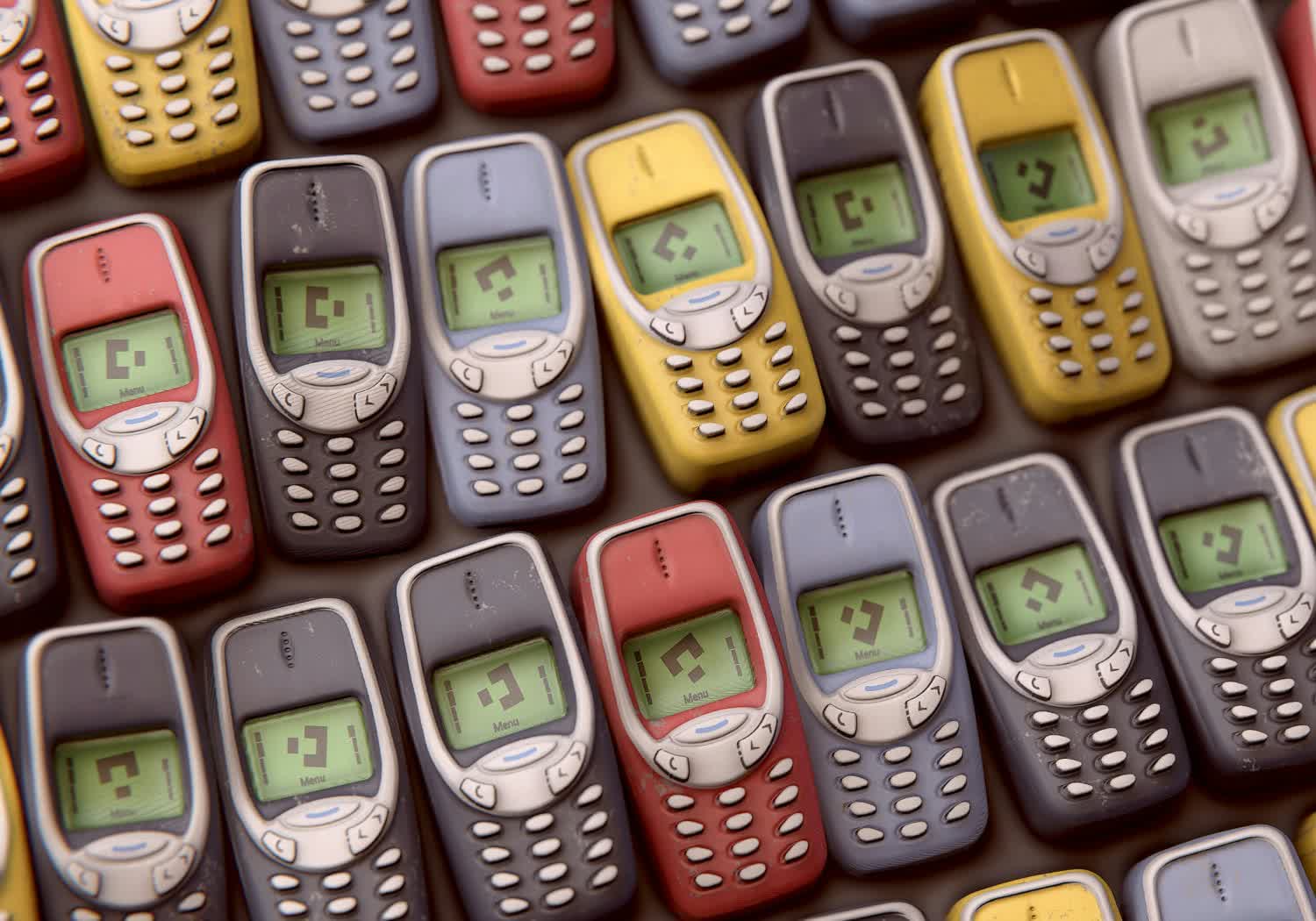
Nokia, the leading phone manufacturer, introduced the candybar form factor in the late 1990s, which allowed for easy one-handed dialing. In 1998, Nokia released the Nokia 5110, a consumer version of the 6110, designed to be small, lightweight, and have a long battery life. The 5110 boasted an 84 x 48 pixel display with monochrome graphics and was advertised for offering 11 days of standby time between charges.
The phone featured a replaceable front cover, available in various colors, emphasizing individual expression through one's phone.
The phone had a small 12-button keypad, making it less than ideal for typing, but it could perform basic functions like a calculator or alarm clock. Nokia software engineer Taneli Armanto developed the most popular game on the 5110, Snake, after being assigned the games team due to his inexperience in game development. The game was a simple, two-player game where a snake grows longer as it eats dots, and the objective is to avoid hitting walls or the snake's own body.
Snake became one of the most played games worldwide, thanks to Nokia's innovative marketing and distribution strategy.
In 1999, Nokia released two more influential phones. The Nokia 7110 was the first phone with a WAP browser, enabling access to lightweight websites designed for cellular networks. It also introduced predictive text input, making text messaging more efficient. The Nokia 3210, a successor to the 5110, was the first mainstream phone without an external antenna, a design choice that sparked controversy about the phone's durability and resistance to drops.
Written by urgent.news from TechSpot's reporting — not their text. Machine-written — may contain errors; check the original before relying on it.