Large genetic study links GLP-1 receptor activation to improved mental well-being
A new genetic study reveals that activating the GLP-1 receptor—the target of popular weight-loss drugs—is associated with a lower risk of depression and bipolar disorder, suggesting profound psychiatric benefits beyond shedding pounds.
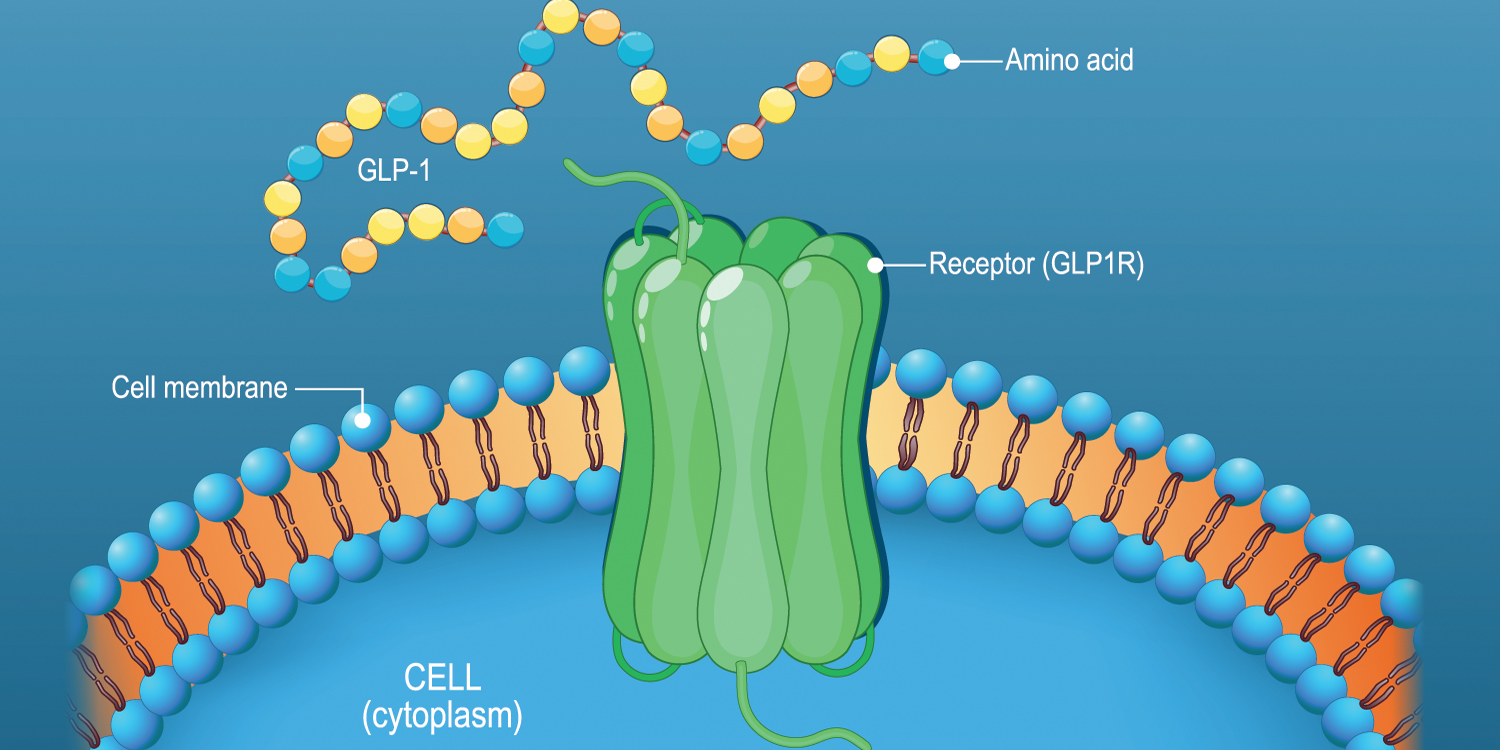
A recent extensive genetic study has found that activating the GLP-1 receptor, the target of weight-loss and diabetes drugs, is linked to better mental health and a reduced risk of depression, bipolar disorder, and substance use disorders. The research, published in Translational Psychiatry, utilized genetic variants as proxies for GLP-1 receptor activation to assess its impact on mental health outcomes.
The study, led by Guoyi Yang, a postdoctoral researcher at the University of Pennsylvania, analyzed data from the UK Biobank, which included information from hundreds of thousands of people. The researchers discovered that for every 1-kilogram per square meter decrease in body mass index caused by GLP-1 receptor activation, individuals experienced a 0.06 standard deviation improvement in overall mental well-being, including higher life satisfaction and lower neuroticism and depressive symptoms.
Furthermore, they observed a lower risk of major depressive disorder (18% reduction) and bipolar disorder (39% reduction) associated with this specific biological pathway. The findings suggest that GLP-1 receptor activation may offer psychiatric benefits beyond weight loss, potentially protecting against mental health conditions.
Written by urgent.news from PsyPost's reporting — not their text. Machine-written — may contain errors; check the original before relying on it.