#HEALTH: Haze's impact on respiratory health
EVERY year, like clockwork, we look outside to a familiar, dreary grey horizon. The seasonal haze returns.

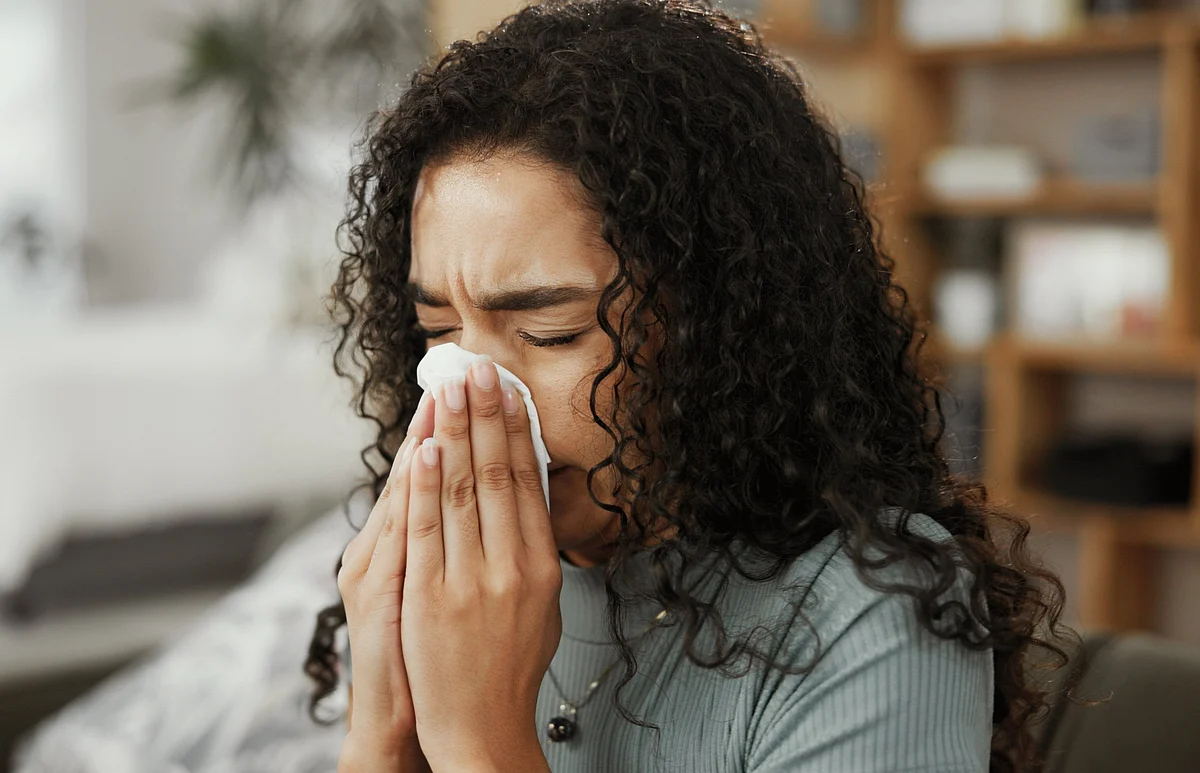
Every year, the arrival of the seasonal haze brings a familiar grey sky and a host of uncomfortable symptoms. While the dull haze and unpleasant smell grab our attention, the real issue lies in the air we breathe. The haze contains fine particles, known as PM2.5, which easily slip past the nasal hairs designed to capture larger dust particles. Once inside, these tiny irritants cause inflammation in the nasal passages, drying out the tissue and leading to congestion, a burning sensation, or a constant runny nose.
In the lungs, the PM2.5 particles travel from the throat to the bronchioles and air sacs, irritating the lung lining and causing chest tightness, coughing, or airway spasms. Smaller particles can even cross into the bloodstream, leading to systemic inflammation. While healthy adults might experience eye irritation, dry throats, and blocked noses during haze season, vulnerable groups face a much higher risk.
These include children, the elderly, asthma and chronic obstructive pulmonary disease patients, and individuals who work outdoors.
To protect oneself, wearing an N95 mask outdoors and staying hydrated are recommended. Daily nasal hygiene, such as using an isotonic saline nasal spray or wash, can help flush out trapped soot, ash, and mucus, restoring moisture to irritated tissue. However, if symptoms persist or worsen, medical attention is crucial. Individuals with asthma or COPD should be particularly vigilant, as fine particles can trigger acute flare-ups in the airways.
Pre-existing nasal inflammation also makes the nasal lining more sensitive to haze irritants. Young children and the elderly are especially vulnerable due to their developing lungs and reduced lung capacity, respectively. Outdoor workers, exposed to higher levels of pollutants, are also at increased risk.
Written by urgent.news from New Straits Times's reporting — not their text. Machine-written — may contain errors; check the original before relying on it.