ISM 2.0 will shift from building fabs to building the ecosystem: MeitY Secretary Krishnan
MeitY Secretary S Krishnan says India Semiconductor Mission 2.0 will back packaging, R&D and shop-floor talent after ISM 1.0 spent its corpus early
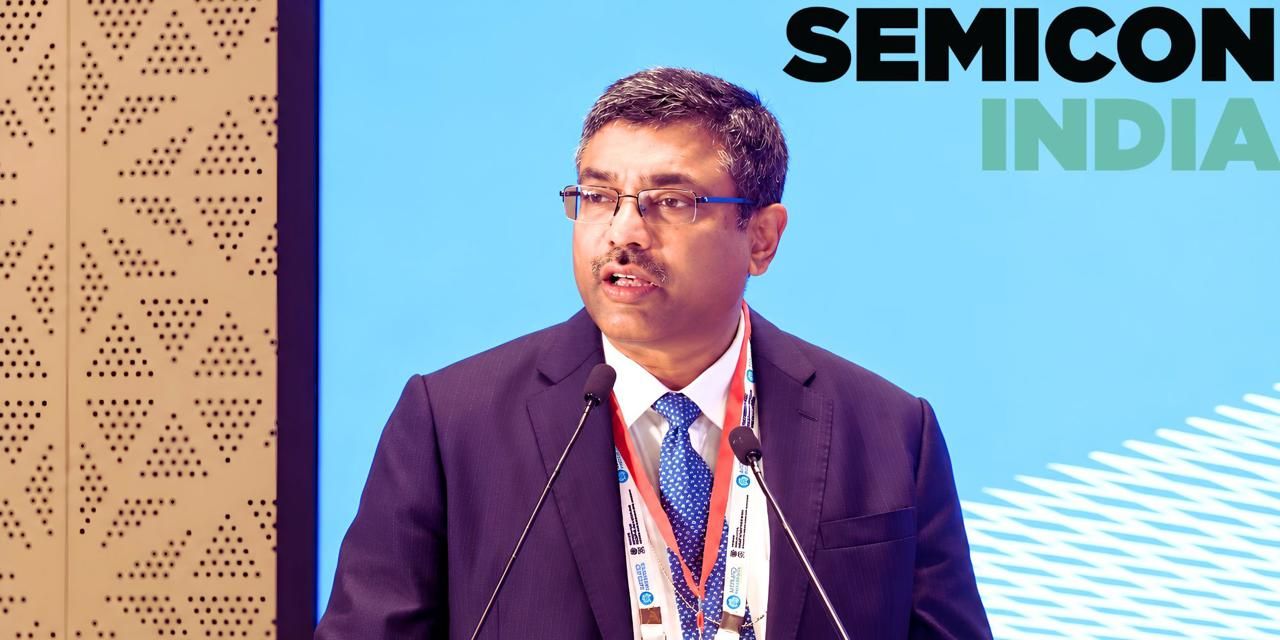
India's Ministry of Electronics and Information Technology (MeitY) Secretary S Krishnan announced at SEMICON India 2026 that the focus of the country's semiconductor mission will shift from building fabrication facilities (fabs) to constructing the entire ecosystem surrounding them. Demonstrating India's capability in advanced chip manufacturing, Krishnan stated that the nation must now build everything that supports this industry.
The Ministry has approved five out of twelve projects under the first phase of the India Semiconductor Mission (ISM 1.0), which are now in commercial production. Six of these projects are located across India.
ISM 1.0 was set to run for around six years, but the government committed its entire budget within three years, necessitating the early transition to ISM 2.0. The new phase is structured around six pillars: design, materials, chemicals and gases, equipment, fabs, and advanced packaging. Guidelines for three of these areas have already been released.
India is currently working on overcoming three significant challenges in the upcoming phase: advanced packaging, research and development (R&D) tied to industry, and manufacturing talent. Advanced packaging is crucial, as progress in semiconductor technology may soon depend on better chip packaging solutions. The Ministry is looking to partnerships with industry, academia, and research institutions to advance R&D.
India possesses a significant portion of the global semiconductor design workforce but lacks trained personnel in advanced manufacturing. The Ministry aims to collaborate with industry to establish relevant skill sets and training facilities. Krishnan emphasized that India is not just a manufacturing destination, but a market with growing demand for chip-bearing products, driven by rising per capita income and consumption.
Geopolitical considerations also emphasize the importance of diversifying global supply chains. Over 600 exhibiting companies, including more than 300 overseas, attended SEMICON India 2026, with nearly 40,000 registered delegates from 52 countries.
Written by urgent.news from YourStory's reporting — not their text. Machine-written — may contain errors; check the original before relying on it.