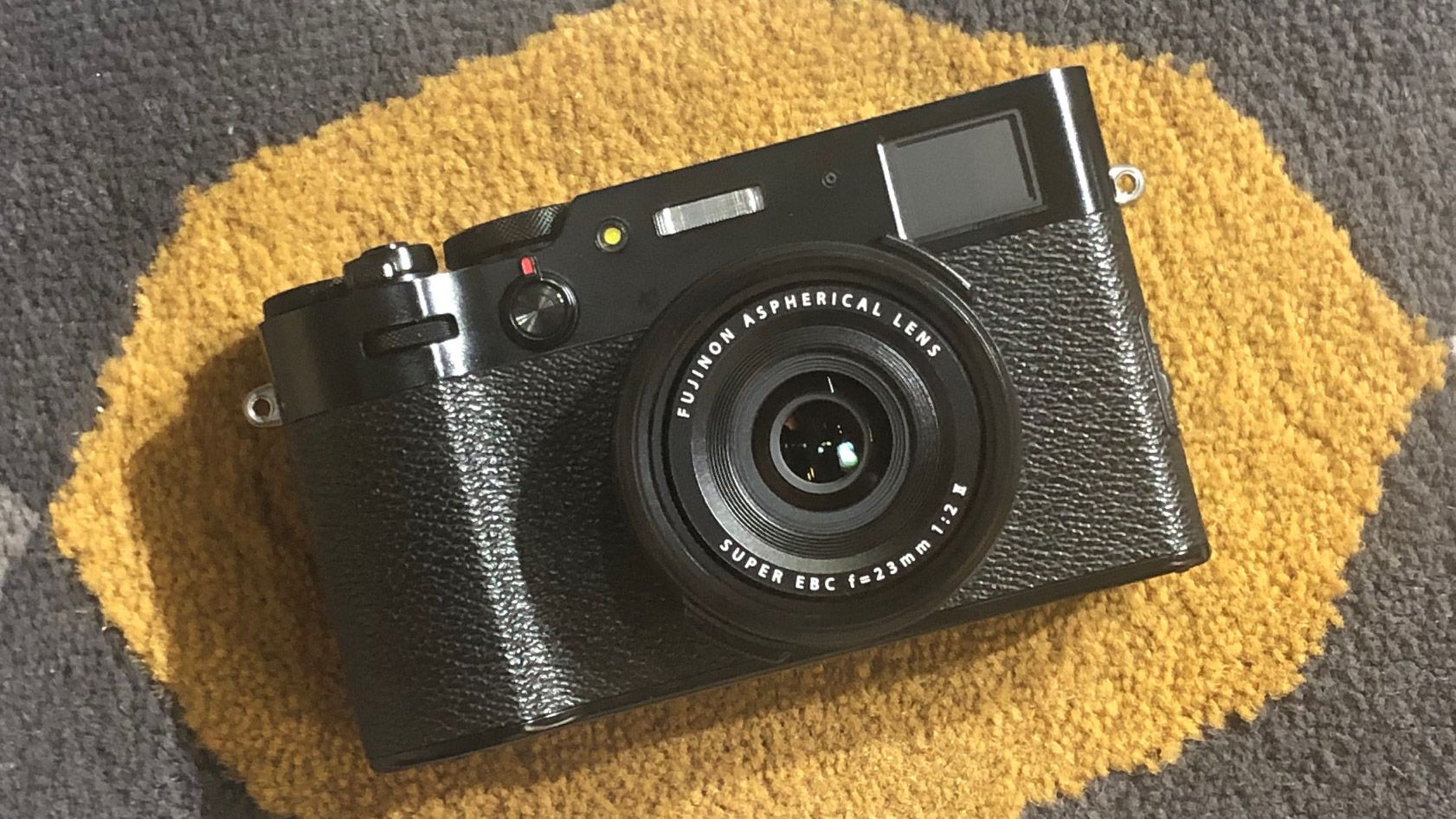
I’m bored of consumer tech, but retro cameras like the Fujifilm X100VI have saved photography from the same fate
While consumer tech has become a bland, incremental snoozefest, retro cameras are an intentional and tactile reminder that technology can still be fun
These days, I find consumer technology quite unexciting. Back in the early 2000s, tech companies were innovative and trendy, but now everything seems uninspired and lacking creativity. This can be seen in their designs as well. Apple's once unique minimalist style has been copied endlessly. Technology used to be about pushing boundaries with groundbreaking hardware, but today it focuses on efficiency and functionality, like the Motorola Razr, Apple iMac G3, and the transparent Game Boy.
Nevertheless, photography has managed to avoid this trend. At one point, the mirrorless camera era seemed dull, but most camera brands have maintained their creative spirit. This resurgence can be attributed to the return of film cameras and their influence on the rise of retro cameras. Film cameras are once again popular, but they remain a niche within photography.
However, younger generations are becoming more familiar with film photography in 2026 than they have been since the digital camera revolution. This has not only increased demand for film cameras but also for digital cameras that resemble film cameras and produce film-like imagery. Consequently, the modern camera market is filled with so-called retro cameras.
These devices emulate the appearance of classic film cameras but incorporate modern conveniences inside. Brands such as OM System/Olympus, Panasonic, Nikon, Kodak, Polaroid, and Fujifilm have embraced this retro aesthetic to varying degrees. This has made cameras fun again. In an era where camera phones have largely replaced compact cameras, making the camera market shrink dramatically, these retro cameras have managed to reignite interest among casual photographers.
They offer a different experience compared to phone cameras. They are tangible, fashionable, and desirable. Approaching photography with a retro camera is like going to a coffee shop. We can all have coffee at home, but visiting a café provides a unique experience. The retro camera experience is tied to the device itself, not just the final product.
It's about the tactile dials and buttons, the aesthetic appeal, and the experience of using the camera. While some photographers prefer more practical devices from brands like Sony, Canon, and Nikon, one cannot ignore the significant impact retro cameras have had on the industry recently. Among these, Fujifilm stands out as the most influential.
The popularity of the X100 Series, especially the X100VI, is staggering. Its demand hasn't subsided even two years after its release, and its predecessor, the Fujifilm X100V, remains expensive on the used market. Fujifilm's instant camera line, Instax, has brought instant film cameras to younger audiences, a surprising turn in tech history.
Sigma's recent Sigma BF camera is another example of this trend, offering a glimpse into the future of photography. Overall, the film camera resurgence has not only revitalized film photography but also positively affected the entire camera industry. Thankfully, retro cameras seem to be here to stay. This year, we've seen the release of the Panasonic Lumix L10 and the new OM System PEN camera, along with Fujifilm's retro-inspired Instax Pal 2. In a world of uninspired consumer tech, it's a great time to be a photographer.
Written by urgent.news from Digital Camera World's reporting — not their text. Machine-written — may contain errors; check the original before relying on it.