‘I can’t even save Rs 300 a month’: Why Delhi’s bus drivers are on strike
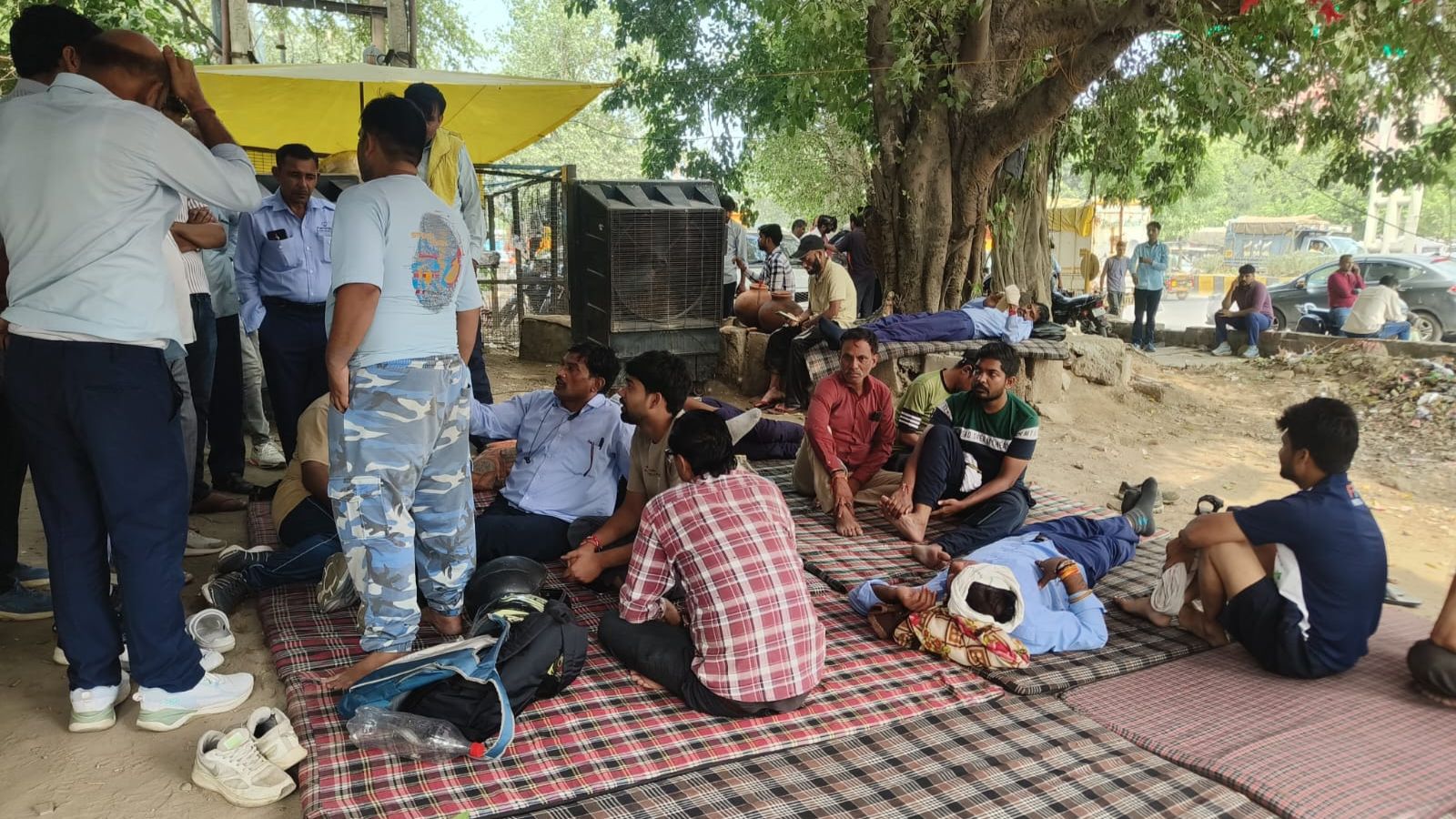
On the third day of a city-wide strike by Delhi Transport Corporation (DTC) bus drivers and conductors, the Wazirpur and GT Karnal bus depots in Northwest Delhi were eerily quiet. All 150 DTC buses sat idle, while drivers gathered outside on mattresses. Striking workers blamed stagnant wages of Rs 862 per day for their decision, which has left them unable to save even Rs 300 a month.
Joginder Singh, a 36-year-old driver for three years, said his struggle to support his two children, whose school fees range from Rs 2,500 to Rs 3,000 per month, has made life increasingly difficult. He drives 105 km daily from Jhajjar, spending Rs 80 on his bus commute, which consumes one-tenth of his paycheck. With his family expenses exceeding his earnings, he is now asking friends for help to pay his motorbike EMI.
At the GT Karnal depot, Ashu Panchal, a 28-year-old driver, echoed the same sentiment. Supplementing his meager wage by working on freelance ride-sharing platforms, he spends Rs 200 on petrol for his daily commute to Sonipat and another Rs 100 on food. With barely Rs 500 left for himself each day, he worries about providing for his two-year-old son.
The DTC Karamchari Ekta Union, which initiated the strike, argues that the drivers' and conductors' wages are the minimum wage set by the Delhi government, typically reserved for daily-wage laborers and small company employees. The union, led by Lalit Chaudhary, demands a minimum daily wage of Rs 2,000, payment for all government holidays, an annual bonus, and social security, including a medical scheme.
Transport Minister Pankaj Singh promised to address the drivers' concerns, but the union claims no official response has been received.
Written by urgent.news from The Indian Express's reporting — not their text. Machine-written — may contain errors; check the original before relying on it.