How Google's Noto 3D Emoji came to life
We enter a new era
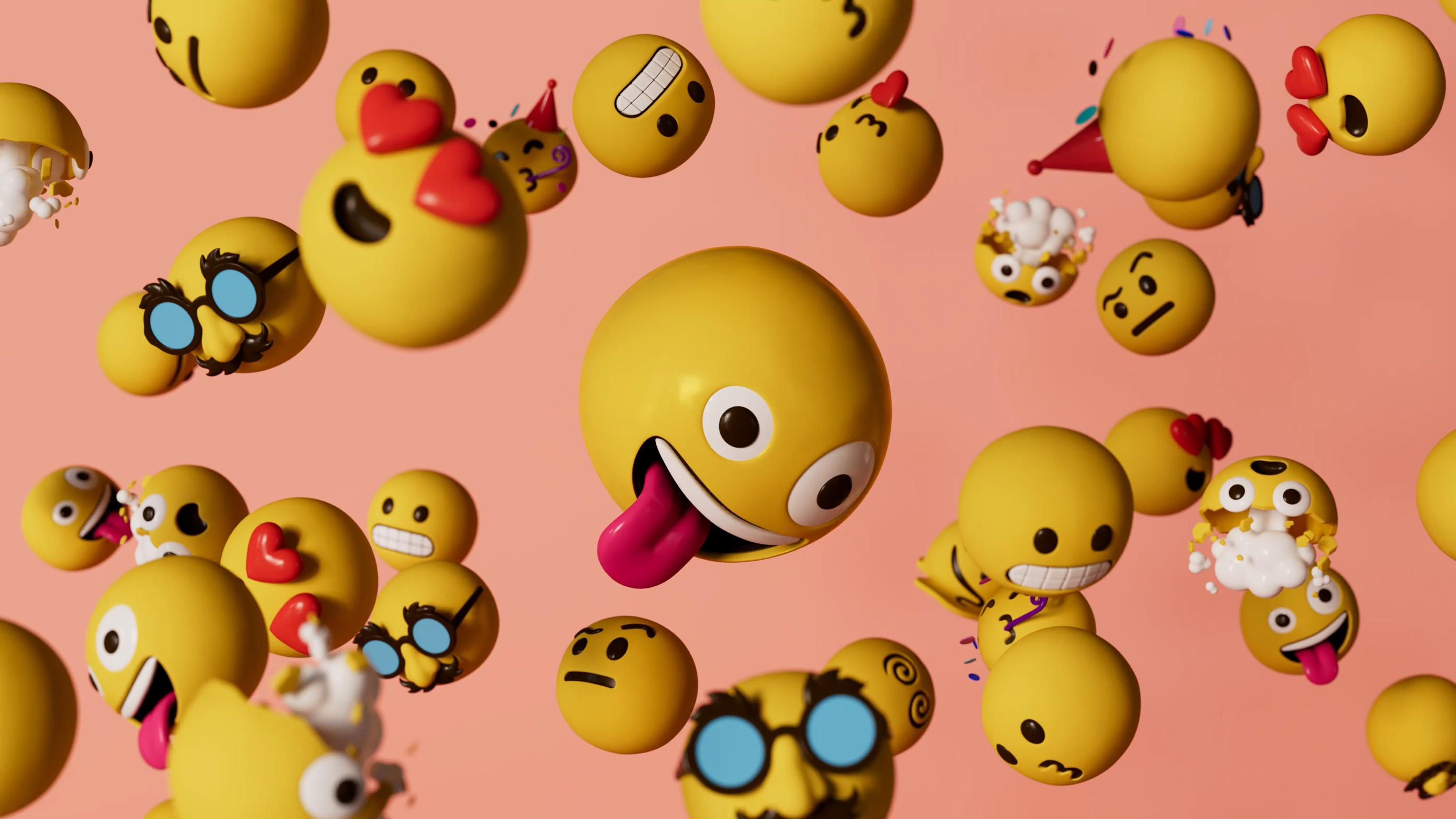
Google has shared details about the design process behind its Noto 3D emoji collection. According to Google Design, the process involved drawing, sculpting, and debating every character by hand to ensure that adding dimension did not compromise the emoji's essence. The team prioritized "emotional clarity" over creating miniature scans of the natural world.
The design team aimed to preserve the vibe behind each symbol by using 3D to give the character a body and illustration to give it a soul. Research found that highly anatomical details can slow down how fast our brains process emotion, so the team removed extraneous detail and kept facial geometry minimal. Each emoji was limited to at most three essential details to communicate what it is.
Noto 3D emoji were first introduced in May and started rolling out with devices like the Pixel 11. According to Android Authority, the new set is now available on some devices, with more manufacturers to be added. Google Design has shared a list of manufacturers who will be getting Noto 3D on their phones, although availability is still limited.
Brief written by urgent.news from Android Police, Android Authority, 9to5Google — 3 reports on this story. Machine-written — may contain errors; check the original before relying on it.
This story
This is one outlet's version. Read the fullest account.