Fusion startups keep promising power plants, the physics still says otherwise
Pacific Fusion recently broke ground on a test facility in Albuquerque, New Mexico. Helion Energy says it plans to provide electricity to Microsoft by 2028. Other companies are aiming to build commercial plants in the 2030s. Read Entire Article
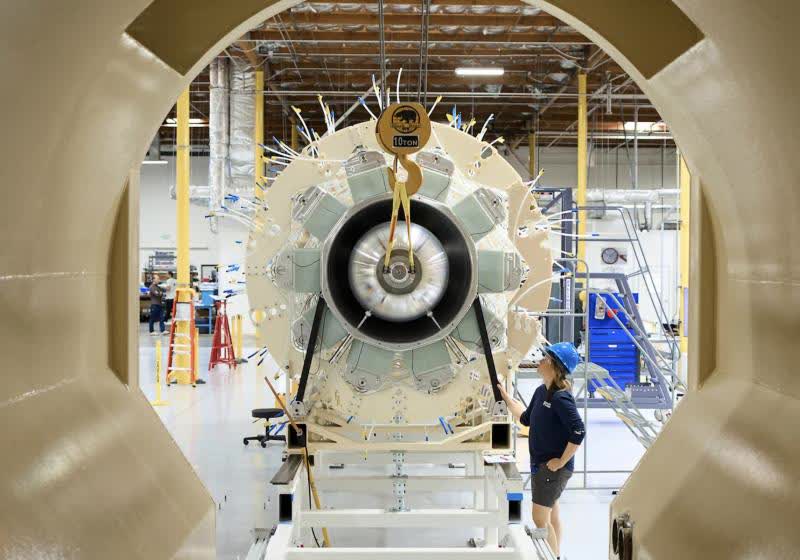
Fusion startups are securing substantial investments and setting aggressive timelines to develop power plants, but the underlying physics still presents significant challenges. Despite recent achievements like achieving net energy gain at the National Ignition Facility, lasting power output for grid integration remains elusive. Companies like Pacific Fusion and Helion Energy are constructing test facilities and making bold claims, but commercial viability is uncertain.
The physics of fusion, while promising, must first overcome hurdles such as heat, radiation, and tritium fuel production. Even if reactors prove workable, their economic feasibility is questionable compared to traditional power sources. While some forecast a commercial breakthrough by mid-century, the industry acknowledges that the 'commercial bottle' of fusion technology has yet to be realized.
Written by urgent.news from TechSpot's reporting — not their text. Machine-written — may contain errors; check the original before relying on it.