From 108 Canvases To Monumental Textiles: Exhibition Showcases New Dimensions Of Indian Contemporary Art
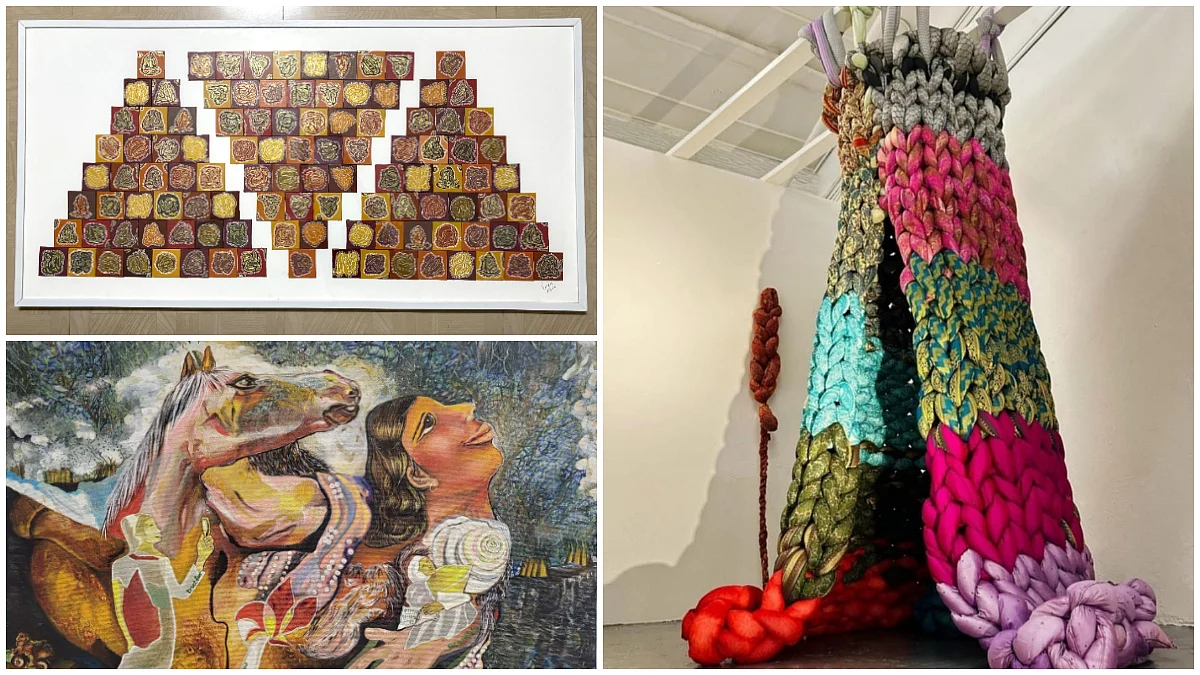
Mumbai: A collection of 108 individual canvases comes together to form three rising, pagoda-like forms — a visual feat that evokes a shrine or a collective act of meditation. Contemporary art exhibition opens The work will anchor Up Next: A New Wave of Contemporary Art , a group exhibition bringing together 15 artists from India and abroad at the Nehru Centre Art Gallery in Worli from 22 to 28…
A groundbreaking exhibition opens in Mumbai, showcasing the innovative dimensions of contemporary Indian art. Titled "Up Next: A New Wave of Contemporary Art," the group exhibition brings together 15 artists from India and abroad at the Nehru Centre Art Gallery in Worli. Curated by Ritu Chopra and Vikas Singh of Tela Art Gallery, the show will be on display from September 22 to 28.
At the heart of the exhibition lies a remarkable 108-canvas installation, a visual spectacle that combines individual canvases to form three pagoda-like structures. The abstract work, inspired by Indian spiritual traditions, features gestural motifs in earthy colors like ochres, terracotta, and greens. Viewers can appreciate the piece individually or as a unified composition, turning the repetition of the sacred number into a meditative experience.
The exhibition also includes a monumental textile installation, crafted from fiber, fabric, and found textiles. The piece transforms everyday materials into an architectural sculpture, prompting viewers to reconsider their movement through the gallery. This work explores themes of labor, gender, sustainability, and memory, prompting reflection on the creative process and its impact on society.
The participating artists hail from diverse locations across India, including Gurugram, Guwahati, Aurangabad, Baroda, Bengaluru, Mumbai, and Pune. Additionally, the exhibition features international contributors from Norway, Russia, and the United States. Ritu Chopra, one of the curators, emphasizes the geographical diversity as a significant evolution in the country's creative landscape.
She notes that contemporary Indian art is no longer confined to just a few metropolitan areas, revealing a fearless experimentation and a return to traditional slow, handmade processes like ink and textiles.
Written by urgent.news from Free Press Journal's reporting — not their text. Machine-written — may contain errors; check the original before relying on it.