Ekurhuleni murders: State’s bloody neglect forces human rights watchdogs to step in
The lifecycle of state response in South Africa from report to rehab remains fundamentally broken. Why? These human rights bodies probe.
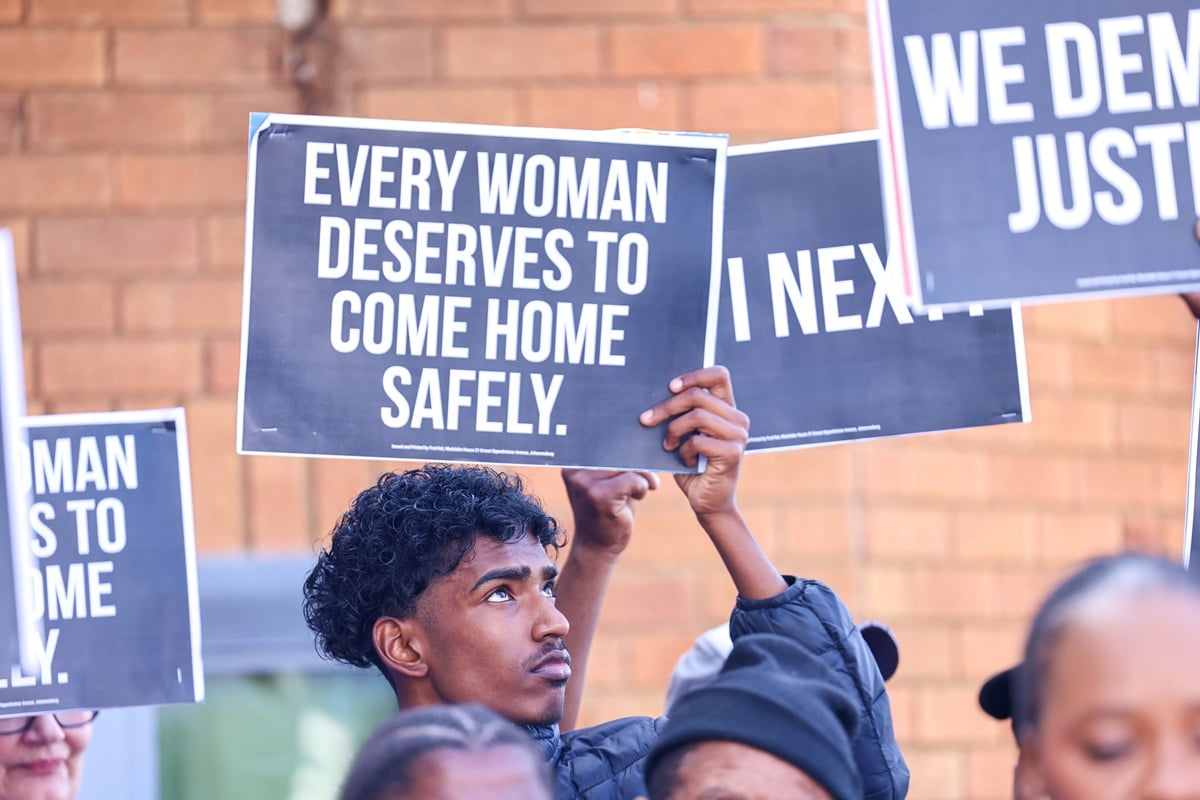
South Africa's systemic failure to protect women has reached a breaking point, forcing human rights watchdogs to intervene. In a historic Joint National Inquiry, the South African Human Rights Commission (SAHRC) and two other Chapter 9 institutions will examine the entire criminal justice system, starting on September 28. The decision follows a brutal surge of killings in Gauteng, where nine women were murdered in Ekurhuleni within two months.
The Commission emphasizes that violence against women remains a societal ill, robbing them of their basic human rights to life, safety, dignity, and freedom. They condemn the myth that offenders are sexually deviant strangers, instead highlighting that perpetrators can be fathers, brothers, uncles, husbands, lovers, mentors, bosses, and colleagues.
The inquiry will investigate case reporting, victim support, police investigations, prosecutions, sentencing, and offender rehabilitation, while also scrutinizing municipal accountability for the lack of basic infrastructure that enables violence. Civil society and individuals are urged to present evidence to help dismantle systemic shortcomings hindering justice.
Written by urgent.news from The Citizen's reporting — not their text. Machine-written — may contain errors; check the original before relying on it.