Criticising governments is easy, taking over much harder
Balancing short-term political survival with long-term institutional reform requires extraordinary wisdom.
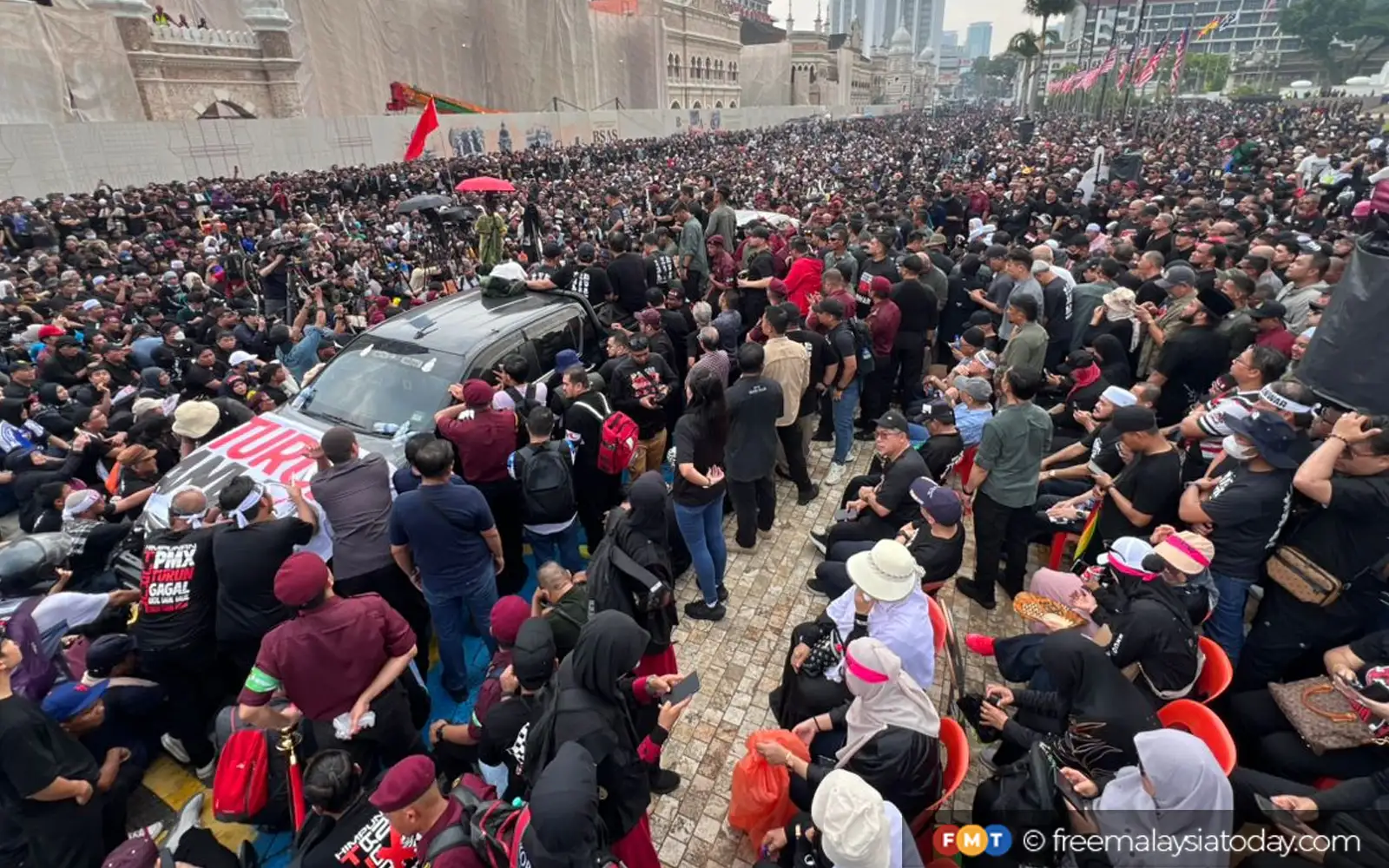
At the Umno General Assembly, party members chanted vehemently for Anwar Ibrahim’s government to dissolve Parliament and call for a general election. However, internal politics suggest many key Umno leaders are more inclined to cooperate with the ruling administration. With political stability and economic growth, dissolving Parliament prematurely appears unwise, especially as the next election won't occur until 2028.
Critics argue that toppling a government is relatively simple compared to actually governing. Running a country necessitates building strong institutions, efficient economic management, and long-term public trust. Opposition movements typically rally behind a singular goal: removing the incumbent government. This united front can seem invincible, but once the shared adversary is gone, internal divisions often cause the coalition to fracture.
New administrations frequently inherit economic crises and must navigate complex administrative tasks, a far cry from the simple task of criticizing. Critics often fail to appreciate the technical expertise required to govern effectively. Capital flight and disillusionment are common after sudden political changes in developing nations, leading to shortages of essential goods, inflation, and loss of international credibility.
Short-term political gains often fail to deliver on long-term promises, leading to public disillusionment and a loss of legitimacy. Overthrowing a government may appear easy, but governing effectively is an arduous task that few are truly prepared for.
Written by urgent.news from Free Malaysia Today's reporting — not their text. Machine-written — may contain errors; check the original before relying on it.
This story
This is one outlet's version. Read the fullest account.
- Criticising governments is easy, taking over much harder freemalaysiatoday.com