Analysis: When wildfires become a diplomatic problem
Indonesia’s recurring wildfires have once again spiraled into a crisis that reaches far beyond its forests and peatlands. As dense haze shuts down schools, endangers public health, and chokes local economies at home, smoke from fires across Sumatra and Kalimantan has drifted across national borders, blanketing parts of Singapore, Malaysia, Brunei, and the Philippines. What has long been treated…
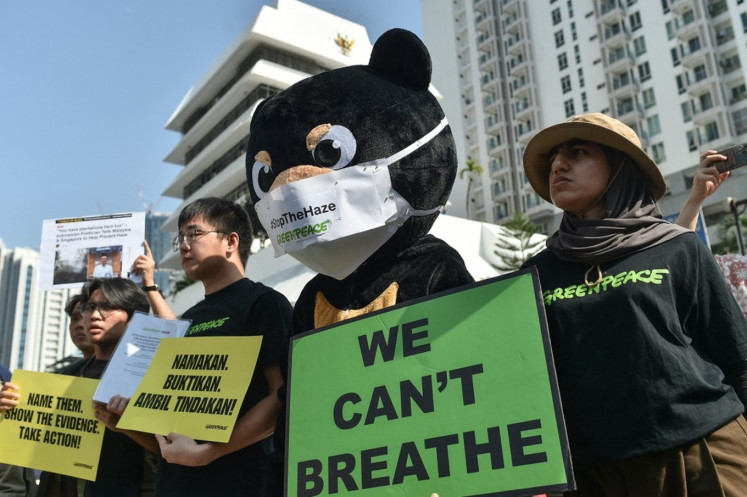
Indonesia's annual wildfires are once again spiraling into a crisis that extends far beyond the nation's forests and peatlands. Dense haze has forced schools to close, endangered public health, and choked local economies in Indonesia, Singapore, Malaysia, Brunei, and the Philippines. Indonesia's wildfires have seen a dramatic surge in hotspots in late August, with 294,699 recorded just a day after 190,571 on August 22.
By September 10, the figure had reached 301,990, with Kalimantan experiencing the highest density of active fires. The European Union's Copernicus Climate Change Service reports that between September 1 and 7 alone, Indonesia's wildfires released 19.7 million metric tonnes of carbon dioxide, accounting for over a third of global wildfire emissions during that period.
By July, roughly 202,000 hectares had already burned, expanding to 600,000 hectares by August. Forestry Minister Raja Juli Antoni has admitted that many of these fires are intentionally set by individuals and corporations. Slash-and-burn remains the cheapest and easiest method for clearing land in rural Indonesia, especially where peatlands and native forests are converted into oil palm and pulp plantations.
This issue goes beyond Indonesia's ability to respond to extreme weather, as it also revolves around political will to stop illegal burning and hold perpetrators accountable. Authorities have taken legal steps, handing down administrative sanctions to six Forest Utilization Business Permit holders for fires on their concessions in West, Central, and East Kalimantan.
However, enforcement remains a bottleneck due to identifying culprits and imposing penalties severe enough to act as a genuine deterrent. The impact on Indonesia is devastating, with more than 1.4 million students forced back into remote learning due to toxic air and over 50,000 cases of acute respiratory infections recorded in seven provinces between July and August.
Written by urgent.news from The Jakarta Post's reporting — not their text. Machine-written — may contain errors; check the original before relying on it.