Australia to stop most foreign students bringing families
Australia is making it significantly harder for international students to bring their families with them, under sweeping new migration rules that could change the calculations of thousands planning to study in the country. Under the changes announced on Thursday, most international students will no longer be able to attach partners or children to their student visas, as the government seeks to…
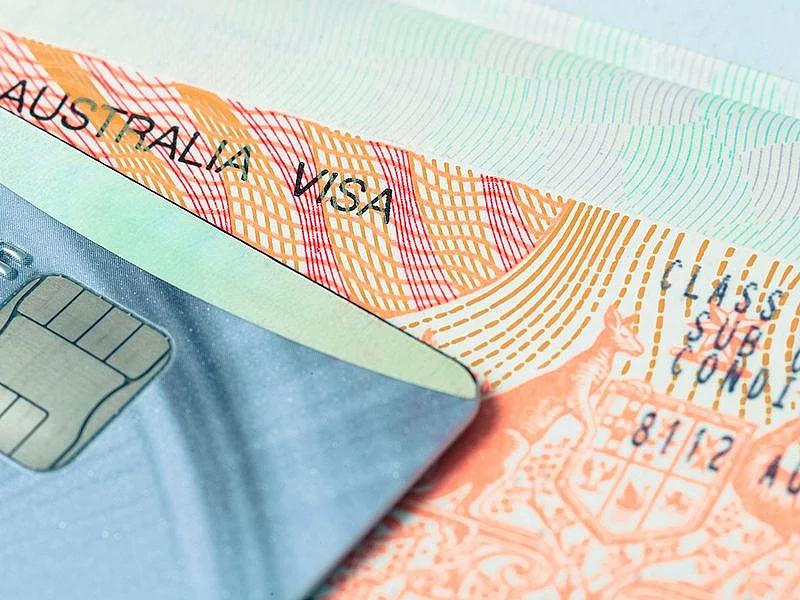
Australia is implementing stricter rules for international students, making it more difficult for them to bring their families. The government announced these sweeping changes on Thursday, aiming to reduce migration numbers and tighten control over temporary visas. The modifications, revealed by Home Affairs Minister Tony Burke at the National Press Club in Canberra, are part of a broader overhaul affecting international students, backpackers, visa overstayers, and those seeking to extend their stay in Australia.
These changes do not reduce the number of international student places; instead, they target secondary applicants, typically spouses, partners, and dependent children accompanying students.
Exemptions exist for students pursuing PhDs and those from Pacific and ASEAN countries. Families already in Australia will not be separated due to these changes. The decision to exempt doctoral students highlights the government's recognition of differing life stages between undergraduates and doctoral candidates. This represents a significant departure from previous arrangements, where spouses or de facto partners could be included as secondary applicants on a student visa, provided they met eligibility requirements.
The new rules are expected to affect thousands of students planning to study in Australia, potentially impacting their financial and personal decisions.
The government's actions are also aimed at curbing what it calls "visa hopping" – the practice of moving between courses or visas to extend stay in Australia. International students planning to transfer courses will need to apply for a new visa. Those who finish a bachelor's degree may progress to a master's program instead of enrolling in another course at the same or a lower level.
These measures are part of the government's broader strategy to decrease net overseas migration, which has already fallen to 292,100 in the year to March, down from 337,427 student visas granted in the previous financial year, including 45,991 secondary applicants.
Universities Australia's chief executive, Luke Sheehy, expressed concern over the policy changes, noting they create uncertainty for the international education sector, which contributes A$53.6 billion to the Australian economy annually. Student representatives have also voiced concerns about the impact of these restrictions on people who may have to choose between studying in Australia and staying with their families.
The changes are part of a larger migration package, with the government also tightening rules for working holidaymakers and imposing stricter actions against visa overstayers.
Written by urgent.news from Gulf News's reporting — not their text. Machine-written — may contain errors; check the original before relying on it.