As software jobs decline, US universities train engineers for chipmaking roles
American universities are adapting their programs to equip students for careers in semiconductor manufacturing. This transition comes in response to an anticipated shortfall of up to 157,000 chip workers by 2030. The U.S. is witnessing an unprecedented surge in chip production, with substantial investments pouring into new fabrication facilities. This surge creates a robust demand for skilled…
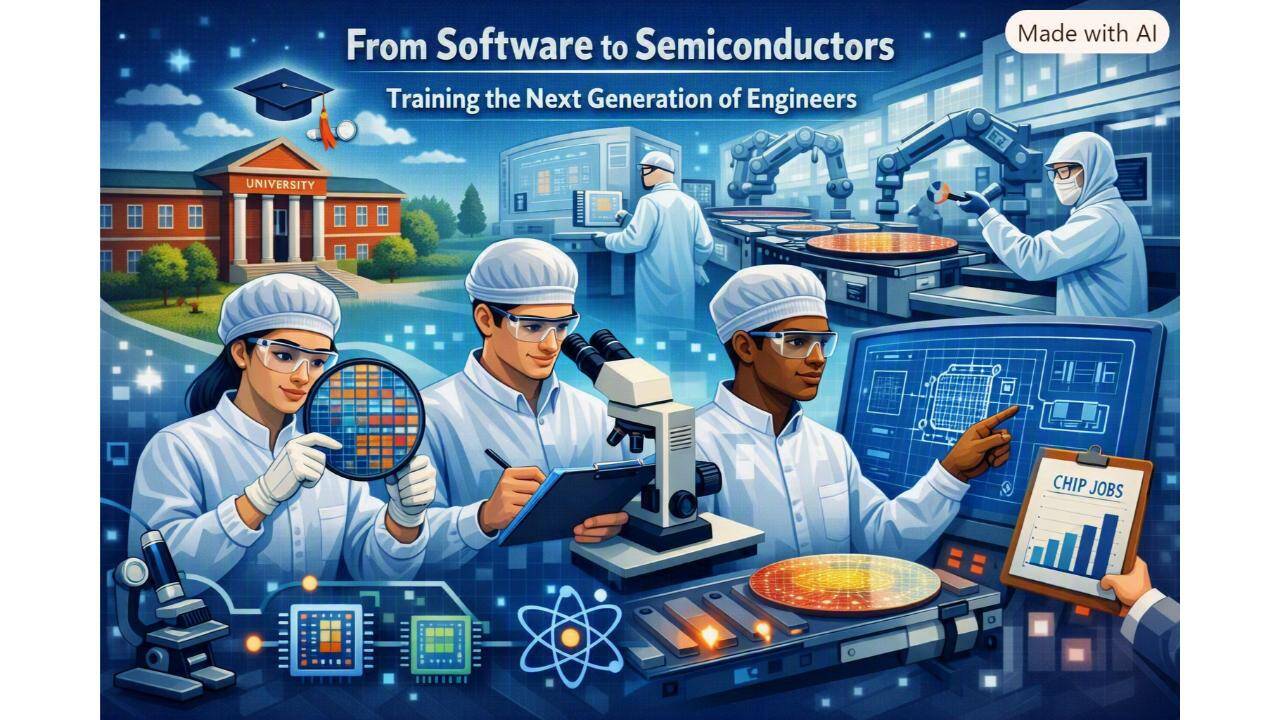
As AI-driven disruption diminishes software engineering opportunities, American universities are pivoting to train students for careers in semiconductor manufacturing, according to CNBC. McKinsey and the SEMI Foundation report a potential shortage of up to 157,000 chip workers by 2030, highlighting the urgent need for skilled professionals to support the U.S.'s most rapid chip expansion in history.
Jon Taylor, Samsung's semiconductor division executive vice president in Austin, Texas, expressed concern over the insufficient technical talent pipeline.
The shortage coincides with the U.S.'s fastest chip manufacturing expansion, propelled by the AI-driven race for memory and logic chips to power artificial intelligence. TSMC and Intel have already begun producing advanced logic chips at new fabrication plants in Arizona, while Samsung is poised to join them later this year at two new fabs in Taylor, Texas, as part of a $35 billion investment expected to generate around 3,500 jobs.
Despite its history as the semiconductor industry's birthplace and a global chip design leader, the U.S. has historically manufactured advanced chips in Asia, leaving Asia as the primary talent hub. Micron is addressing the talent gap by intensifying hiring at South Korean universities, where students are offered permanent positions on the spot.
For American computer science graduates, chip manufacturing presents an unexpected alternative career path. Universities like Purdue and Arizona State are ramping up efforts to prepare students for this transition. Purdue is the largest producer of Intel graduates globally and is now aiming to become the premier provider of talent for TSMC. Michael Crow, Arizona State University's president, noted the company's intention to become TSMC's primary talent source.
However, compensation remains a challenge, with U.S. chip jobs typically paying between $127,000 and $187,000, falling behind South Korea's offerings, which have seen bonuses surpass $500,000 amid strike threats at major chipmakers like Micron, Samsung, and SK Hynix. ASML, the Dutch chip equipment maker, has opened a U.S.-based training center to help bridge the gap in domestic expertise.
To build a domestic pipeline, manufacturers are increasingly focusing on H-1B visa sponsorship and relocating workers from South Korea to assist in launching new U.S. fabs. Samsung and SK Hynix are temporarily transferring employees to their respective new facilities in Taylor, Texas, and Indiana, echoing TSMC's experience with its Arizona fab's construction. Both companies emphasize the critical need to cultivate a homegrown talent pool to mitigate reliance on foreign workers.
Written by urgent.news from Times of India's reporting — not their text. Machine-written — may contain errors; check the original before relying on it.