Advocacy group raises concerns over environmental damage from Big Push road projects
An advocacy group and coalition of environmental civil society organisations, Weto Platform, has expressed concerns about the creation of borrow pits along the Akwapim-Togo Mountain Range in the Volta and Oti Regions for gravel to be used in road construction, under the government’s Big Push Initiative. Excavation activities around Anyirawaes in the Ho West District […]
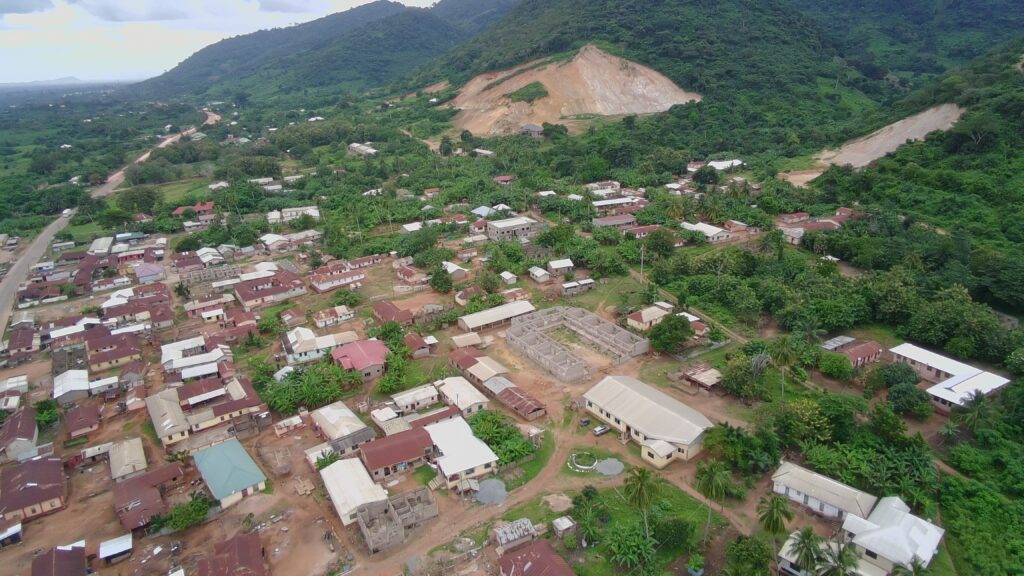
The Weto Platform, a coalition of environmental civil society organizations, has raised alarms over the environmental damage inflicted by the government's Big Push Initiative in the Akwapim-Togo Mountain Range. Excavation projects in the Ho West District of the Volta Region and the SALL District of the Oti Region have led to severe consequences for local communities.
The Coordinator of the Weto Platform, Pascal Benson Atiglah, addressed the media in Ho and highlighted the creation of two large borrow pits without proper consultation or mitigation plans. Slopes above Tsito and Anyinawase are destabilizing, causing mudslides and affecting roads. Furthermore, the pits are contaminating the Tsawoe stream, threatening aquatic life and agriculture.
Atiglah warned that heavy rains or earthquakes could trigger catastrophic risks for these communities. He also criticized the private developer's damming and dredging of the Asukawkaw River, which has increased turbidity and endangered the Asukawkaw bridge. This project has decimated a surviving palm plantation, deepening poverty and fueling tensions.
The Ghana Water Resources Commission's failure to enforce its mandate further erodes public trust. Atiglah also accused the Forestry Commission of permitting grazing in the Asukawkaw Nature Reserve, leading to misunderstandings between community members and forest guards, who have withdrawn from protecting the reserve. The degradation activities have reversed years of conservation efforts, reducing ecosystem services and endangering livelihoods.
The consequences include increased poverty, rural-urban migration, heightened insecurity, infrastructure threats, erosion, flooding, and strained relationships among communities, chiefs, and government officials. These actions jeopardize Ghana's commitments to its Nationally Determined Contributions (NDCs) and could lead to donor withdrawal due to perceived governance failures.
Written by urgent.news from MyJoyOnline Ghana's reporting — not their text. Machine-written — may contain errors; check the original before relying on it.