Why It Seems Like Great White Sharks Are Overrunning Maine
While a bunch of sharks cruising the Maine coast may seem ominous, it’s actually a sign of a conservation success story.
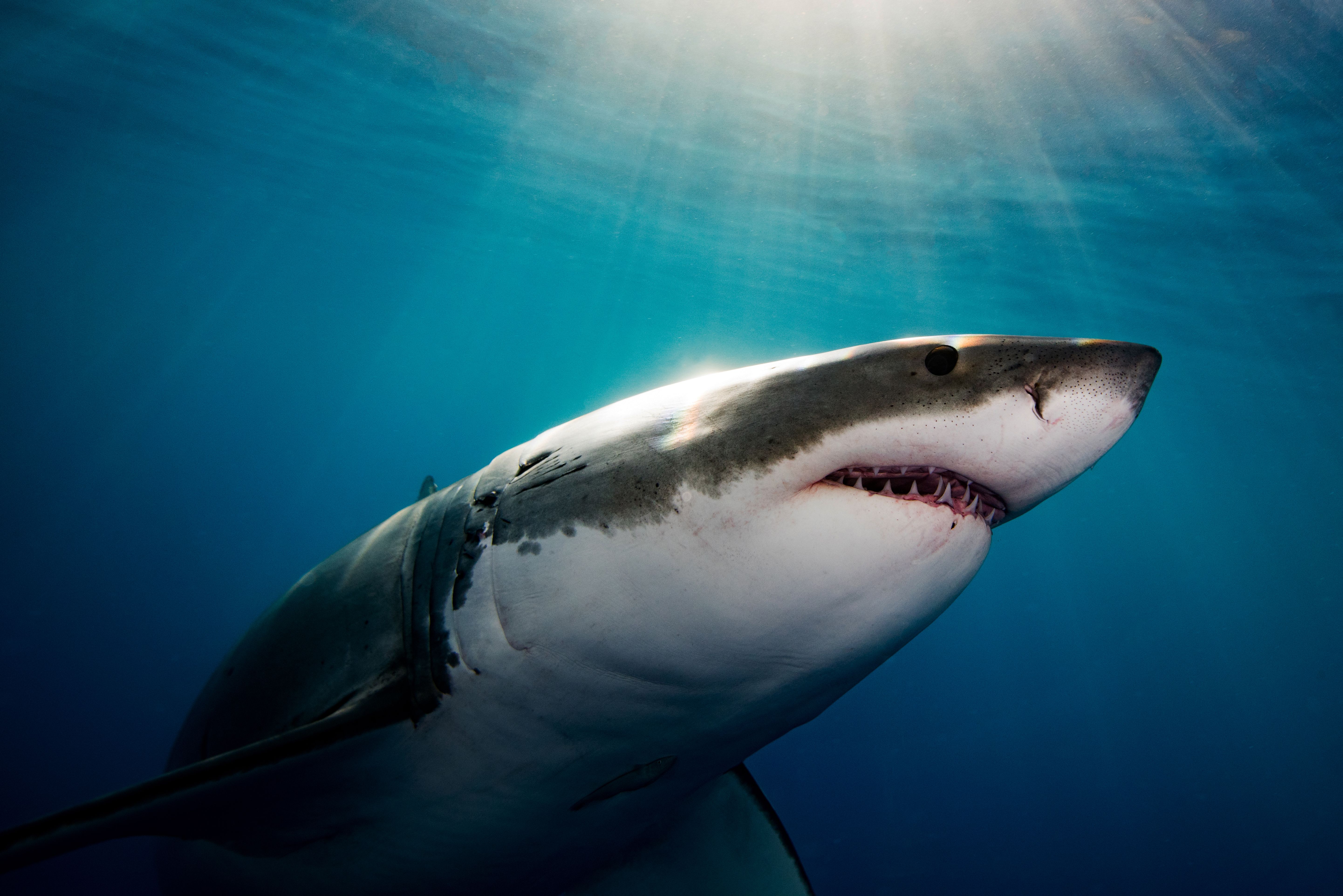
This summer has seen a wave of great white shark sightings off the coast of Maine, leading many to believe that the apex predators are overrunning the region. However, experts suggest the recent glut of encounters is more complex than just attributing them to climate change. In August, a dozen sightings were reported in just two days near Pine Point Beach in southern Maine, prompting temporary beach closures throughout the state in July and August.
Great whites continued to be spotted through the end of summer, with one seen off Wells Beach during Labor Day weekend and another caught by a fisherman about 30 miles down the coast on the holiday.
The waters off Maine are among the fastest-warming in the world, and the Atlantic has experienced a series of marine heat waves. However, experts tell WIRED that the surge in shark encounters is due to a combination of factors, not solely climate change. A successful conservation effort decades ago may be starting to pay dividends, alongside more people using technology to spot sharks at the beach.
The 1975 release of Steven Spielberg's Jaws caused great whites to decline due to overfishing, bycatch, and trophy hunting. In the 1990s, federal protections were established for both great whites and gray seals, their primary prey. Maine's shark monitoring system, which began less than a decade ago, uses acoustic telemetry to track tagged sharks, helping researchers understand their movement along the coast.
Shark experts Steven Davis and Walter Golet believe there are now more great whites off the Maine coast compared to decades past. This increase is partly attributed to federal protections, as adult males take 26 years and females up to 33 years to reach maturity, aligning with the timeline of federal protections. Studies have shown that protections for sharks and seals have helped increase populations along the East Coast.
While climate change has driven changes in the ocean, its direct effect on great white sharks is less clear. Great whites can regulate their body temperature, enabling them to tolerate a wider range of ocean temperatures compared to other shark species. However, warmer ocean temperatures may push certain prey species to inhabit areas for longer periods, potentially influencing the sharks' presence.
Another indirect impact of climate change is the increase in beachgoers during hot days. With better technology, such as iPhones and hobby drones, people can capture high-quality footage of marine life, making it easier to observe great whites. So while there are indeed more great whites in the area, they are also more visible, making it crucial to differentiate between an actual increase in numbers and improved visibility.
Written by urgent.news from Wired's reporting — not their text. Machine-written — may contain errors; check the original before relying on it.