What happens when neutrinos swap identities inside a supernova?
Identity-fluid particles may carry some energy out, leading to direct collapse.
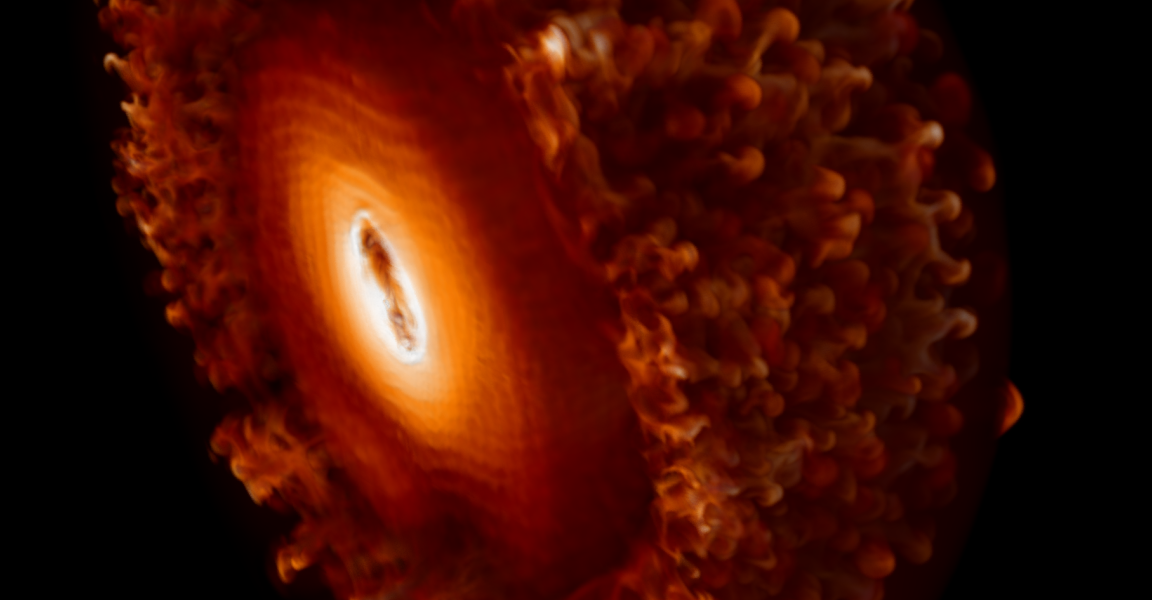
Core-collapse supernovae have remained relatively unchanged in our understanding for many decades. When large stars exhaust their fuel at the core, they initiate the formation of heavier elements through reactions that require energy. This lack of energy allows gravity to compress the star's interior, ultimately collapsing it into either a neutron star or black hole.
The subsequent energy release propels the remainder of the star outward in a dramatic explosion. However, the details of this process are not entirely clear-cut. Observational data suggests that the prevailing model may be lacking in certain aspects. Theoretical physicists continue to grapple with uncertainties, including fundamental questions like whether every core collapse leads to a supernova.
A new study published in Physical Review D may offer a potential solution to the observed discrepancies: the role of flavor-changing neutrinos. Neutrinos are crucial components of our current supernova models, yet their properties are not currently factored into these theories. One of neutrinos' most intriguing characteristics is its ability to switch identities, a phenomenon that is currently disregarded in existing models. This study could provide a fresh perspective on the complexities of core-collapse supernovae.
Written by urgent.news from Ars Technica's reporting — not their text. Machine-written — may contain errors; check the original before relying on it.
Also reported by 1 other outlet
- What happens when neutrinos swap identities inside a supernova? arstechnica.com