US Federal Reserve votes to hike rates for the first time since 2023
Move comes after Trump nominated Kevin Warsh as Fed chair and said US should have lowest rates in the world The US Federal Reserve voted to raise interest rates on Wednesday for the first time since 2023 as the central bank continues to fight to tamp down inflation. The Fed’s open market committee voted unanimously to raise its benchmark interest rate by a quarter-percentage point to a range of…
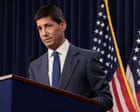
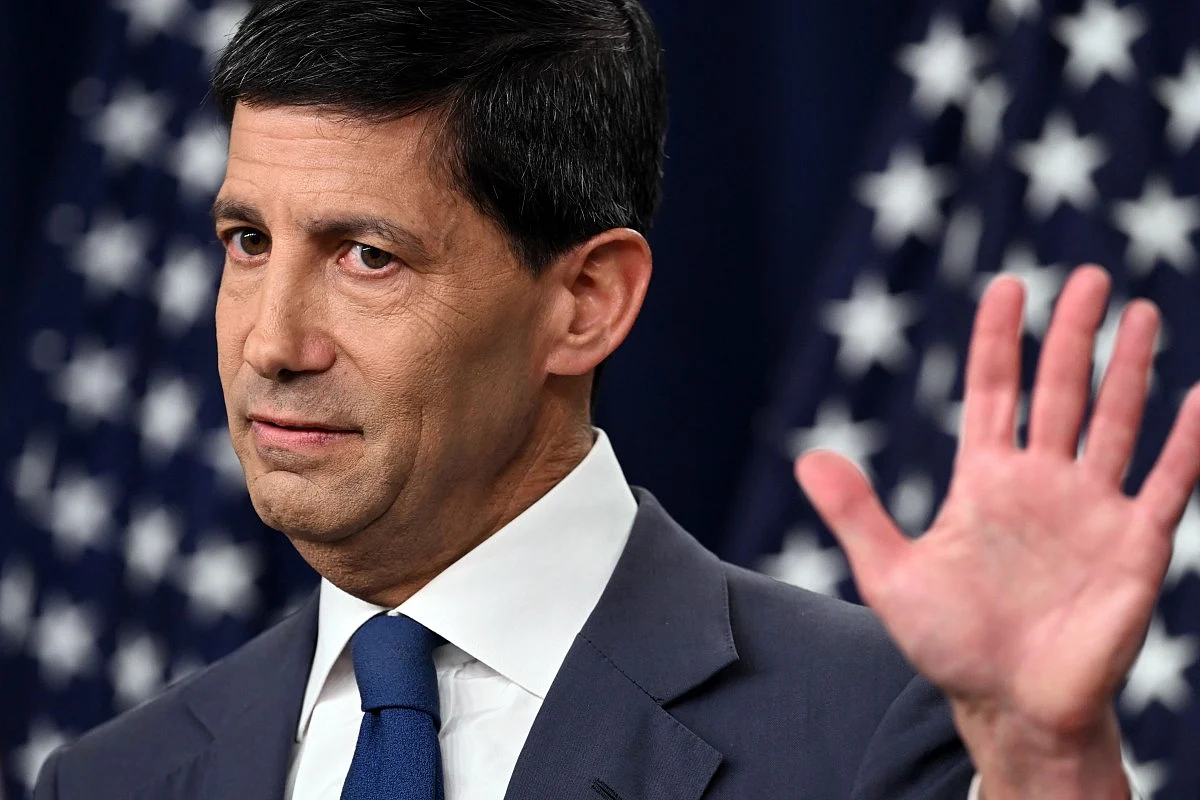
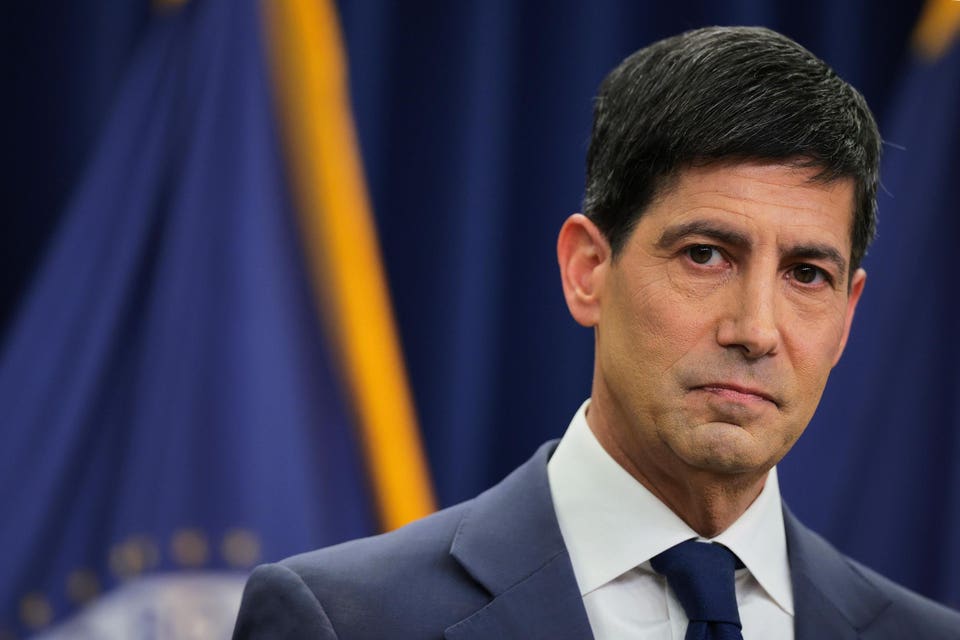
The U.S. Federal Reserve has voted to raise interest rates for the first time since 2023, as part of its efforts to combat inflation. The committee unanimously decided to increase the benchmark interest rate by 0.25 percentage points to a range of 3.75% to 4%. This marks the first rate hike since July 2023 and could potentially lead to a conflict between Fed Chair Kevin Warsh and former President Donald Trump.
Warsh was nominated by Trump, hoping he would cut rates, but Warsh has maintained his independence from the White House. The Fed's open market committee stated that inflation remains elevated and that today's policy action will help bring inflation back to the 2% goal. The decision to raise rates comes after Trump stated that the U.S. should have the "LOWEST RATE of any country in the World" and threatened to stop trading with countries with which it has a deficit if the Fed does not lower rates.
Despite optimistic projections on economic growth and unemployment rates, Fed officials believe it will take until 2029 for inflation to reach the 2% target. The ongoing US-Israel war with Iran has contributed to higher inflation, particularly in energy prices, with gas prices averaging $1 more per gallon compared to a year ago.
Concerns about inflation have led to a sell-off in the U.S. bond market, with the yield on the 10-year treasury note reaching a 19-year high. The Fed's tool to control inflation is through higher interest rates, which can impact various types of loans, including mortgages, car payments, and student debt. After inflation peaked at 9.1% in June 2022, the Fed raised rates 11 times from 2022 to 2023, ultimately bringing them up to a target range of 5.25% to 5.5% before starting to lower rates in 2024 and 2025.
Initially, inflation was expected to decrease before the end of the year, but it remained high in August, leading to a higher likelihood of a rate hike. The economic outlook for voters ahead of the November elections is grim, with rising prices eroding wage gains and dampening consumer sentiment. Both political parties have addressed the cost-of-living concerns, but voters are divided on which party is better equipped to handle the issue.
Trump has urged Republican voters to focus on him during the midterm elections and promised a $5,000 "Trump dividend" if Republicans maintain control of Congress, a move criticized as bribery, especially as the U.S. government debt reached a record-high $40 trillion last month.
Written by urgent.news from The Guardian US's reporting — not their text. Machine-written — may contain errors; check the original before relying on it.
This story
This is one outlet's version. Read the fullest account.
- US Federal Reserve raises interest rates for first time in three years as inflation risks mount thenationalnews.com
- US Federal Reserve hikes interest rate to 3.75-4% range; first time since 2023 timesofindia.indiatimes.com
- Federal Reserve raises interest rates for the first time since 2023 cbsnews.com
- US Federal Reserve raises interest rates for first time in 3 years, risking Trump’s ire scmp.com
- Fed meeting updates: Warsh raises rates to 3.75%-4% as inflation persists hindustantimes.com
- US Federal Reserve raises interest rates by 25 basis points, first hike since 2023 english.ajel.sa
- US Federal Reserve raises interest rate by 25 bps to 3.75-4% range business-standard.com
- Federal Reserve hikes rate to 3.75%-4.00%, the first increase in three years seekingalpha.com