The Federal Reserve hikes back above Britain's cash rate
The Fed has raised its rate to 3.75-4.00%, its first increase since 2023 and its first move since the cut in December 2025. Bank Rate, the Bank of England's own rate, has been 3.75% since December 2025.
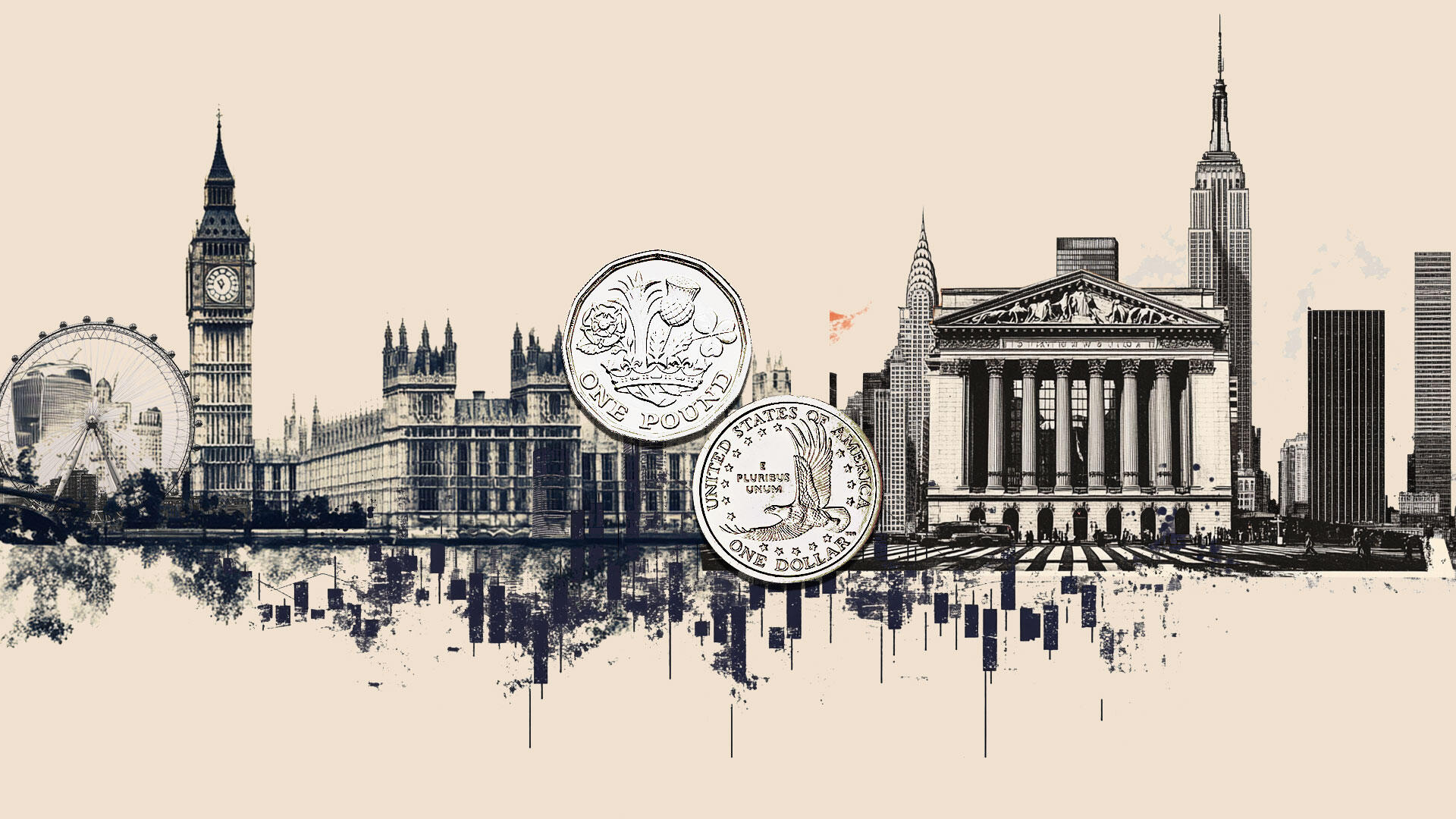
The Federal Reserve has increased its key interest rate to a range of 3.75-4.00%, marking its first hike since December 2023 and the earliest since a December 2025 rate cut. The Bank of England's Bank Rate has been at 3.75% since the same time last year. When comparing the new American rate with the British rate, money held in Pounds now offers a lower return than Dollars, which determines the direction of this currency pair.
British inflation reached the predicted 3.1% in August, driven primarily by rising motor fuel costs, rather than domestic factors. The Fed's decision was unanimous, with 12 out of 12 officials voting in favor of the rate increase. The Federal Reserve forecasts the rate could climb to 4.1% by December and remain at that level through 2027, indicating one more hike and no cuts.
Meanwhile, Britain's rate remains lower as the Bank of England is set to address the issue at 11:00 GMT the following day. The decision bar widened by 39 pips, and the pair has lost another nine pips since, settling just above 1.3400, which is roughly 32 pips below its level before 18:00 GMT and 35 pips below the 200-day Exponential Moving Average of around 1.3450.
The day's trading range was 91 pips. The US Federal Reserve, responsible for monetary policy, adheres to two goals: price stability and full employment. It achieves these objectives by adjusting interest rates. Higher rates aim to curb inflation when prices rise faster than the 2% target set by the Fed. Conversely, lower rates encourage borrowing when inflation is below the target or unemployment is too high.
The Fed convenes eight meetings annually, with the Federal Open Market Committee (FOMC) responsible for assessing economic conditions and making monetary policy decisions. The FOMC comprises twelve officials, including the seven members of the Board of Governors, the president of the Federal Reserve Bank of New York, and four rotating regional Reserve Bank presidents.
In dire circumstances, the Fed can employ Quantitative Easing (QE), a non-traditional policy measure used during crises or when inflation is exceptionally low. QE involves the Fed printing more dollars and purchasing high-grade bonds from financial institutions, weakening the US Dollar. Quantitative tightening (QT), the opposite process, strengthens the Dollar.
Following the Fed's 25 basis point rate hike as anticipated, AUD/USD remains bearish, holding near the $0.7100 level and trading close to a monthly low. Meanwhile, the US Dollar strengthens near a two-week high, supported by rising US bond yields and escalating Middle East tensions. Gold briefly surpassed $4,360 but has since retreated below $4,300 following the Fed's rate hike.
Japan's ultra-low interest rates have historically provided cheap funding for global investments, but with the Bank of Japan expected to tighten policy again, this advantage may be changing.
Written by urgent.news from FXStreet's reporting — not their text. Machine-written — may contain errors; check the original before relying on it.
Also reported by 1 other outlet
- Federal Reserve issues FOMC statement federalreserve.gov