US crypto bill stumble sparks call for Hong Kong to seize ‘critical strategic window’
The US Senate’s rejection of the Clarity Act – a landmark bill meant to regulate cryptocurrency market structure – has opened a window for Hong Kong to accelerate its digital asset ambitions, industry insiders say, even as the sector remains mired in a slump after a brief rally last month. Beijing’s ban on crypto remains in force in mainland China, but Hong Kong has received approval to develop…
The US Senate's rejection of the Clarity Act has provided Hong Kong with a fleeting opportunity to advance its digital asset ambitions, industry experts assert. Despite the sector currently languishing in a downturn following a brief rally last month, Hong Kong's prospects have been bolstered by the bill's stalemate in Washington. This has been interpreted by analysts as a "critical strategic window" for the city to establish itself as a regulatory leader in the cryptocurrency landscape.
Sen. Elissa Slotkin criticized the bill's ethics provisions as insufficient and suggested US President Donald Trump had profited from crypto by "extracting money from ordinary Americans". The bill's defeat has left the city with a short-lived advantage, according to Allen Ding, director of Bitfire Research, a unit of Hong Kong-listed crypto asset management firm Bitfire Group.
However, Ding added that Hong Kong's competitive edge over the US could be fleeting due to the city's limited domestic market and the global sway of US regulatory standards.
Hong Kong's appeal to the industry hinges on its predictable regulatory framework. In April, lawmaker Duncan Chiu Tat-kun criticized US political volatility while highlighting the city's "steady, progressive development" of digital asset regulations. Shawn Yan, the founder and CEO of Hong Kong-based enterprise digital asset wallet provider Cregis Technology, remarked that the failure of the Clarity Act does not alter the long-term trajectory of the digital asset market, but it does prolong a period of regulatory ambiguity in the US.
He advised Hong Kong to concentrate on "creating infrastructure that can operate across regulatory boundaries, rather than waiting for any single jurisdiction to dictate the market for everyone".
Republican Senators likened the rejection of the crypto bill to handing digital asset leadership to China. Hong Kong's quest to become a hub has faced challenges as firms grapple with steep compliance costs and a prolonged market decline. CoinEx, operating in Hong Kong without being among the city's 13 licensed exchanges, announced it would cease operations amid uncertainties exceeding "reasonable limits".
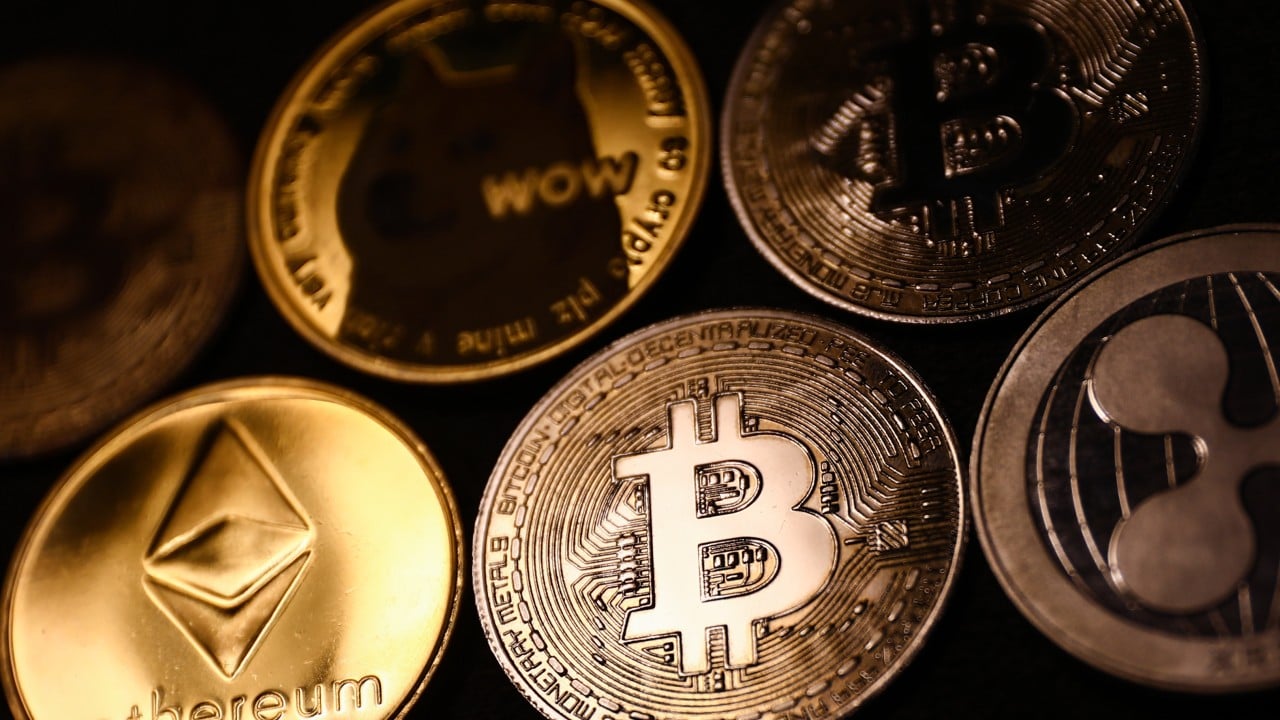
Bitcoin briefly surpassed $80,000 for the first time in three months in August due to a broader rally in alternative assets, but has since declined and is now nearly 40 percent below its October record high of $126,000. On Wednesday, the world's leading cryptocurrency token fell nearly 5 percent to below $75,000 following the US Senate vote.
Written by urgent.news from South China Morning Post's reporting — not their text. Machine-written — may contain errors; check the original before relying on it.
This story
This is one outlet's version. Read the fullest account.
- US crypto bill stumble sparks call for Hong Kong to seize ‘critical strategic window’ scmp.com
- Hong Kong unveils first five-year plan to add jobs, homes, align closer to mainland China investing.com
- China, Hong Kong shares gain on tech strength, as investors await Fed brecorder.com
- Hong Kong crypto exchange CoinEx to shut down after 9 years techinasia.com