US crypto bill stumble sparks call for Hong Kong to seize ‘critical strategic window’
The US Senate’s rejection of the Clarity Act – a landmark bill meant to regulate cryptocurrency market structure – has opened a window for Hong Kong to accelerate its digital asset ambitions, industry insiders say, even as the sector remains mired in a slump after a brief rally last month. Beijing’s ban on crypto remains in force in mainland China, but Hong Kong has received approval to develop…
The rejection of the US Clarity Act by the Senate has created an opportunity for Hong Kong to advance its digital asset ambitions, industry insiders claim. Despite the broader crypto market experiencing a slump following a brief rally last month, Beijing's ongoing ban on cryptocurrencies remains in effect on the mainland. However, Hong Kong has been granted approval to emerge as a digital asset hub.
Analysts have dubbed this period a "critical strategic window" for the city to gain regulatory leadership. US Senators blocked the bill on Wednesday, which was intended to help integrate digital assets into mainstream finance. Critics, including Senate Democrat Elissa Slotkin, dismissed the bill's ethics provisions as insufficient and accused President Donald Trump of profiting from crypto by "taking advantage of everyday Americans."
Bitfire Research's Allen Ding suggested that the delay provided Hong Kong with a "critical strategic window," but warned that the city's temporary lead might be short-lived due to its limited domestic market and the global influence of US regulations. Hong Kong has long sought to attract businesses with a predictable regulatory environment, and lawmakers emphasized the city's "steady progressive build-up" of digital asset regulations during an industry conference in April.
While the rejection of the Clarity Act doesn't alter the long-term trajectory of the digital asset market, it extends the window of uncertainty in the US, according to Shawn Yan, CEO of Hong Kong-based digital asset wallet provider Cregis Technology. Yan emphasized that Hong Kong should focus on developing infrastructure that can operate across different regulatory boundaries rather than waiting for a single jurisdiction to define the market.
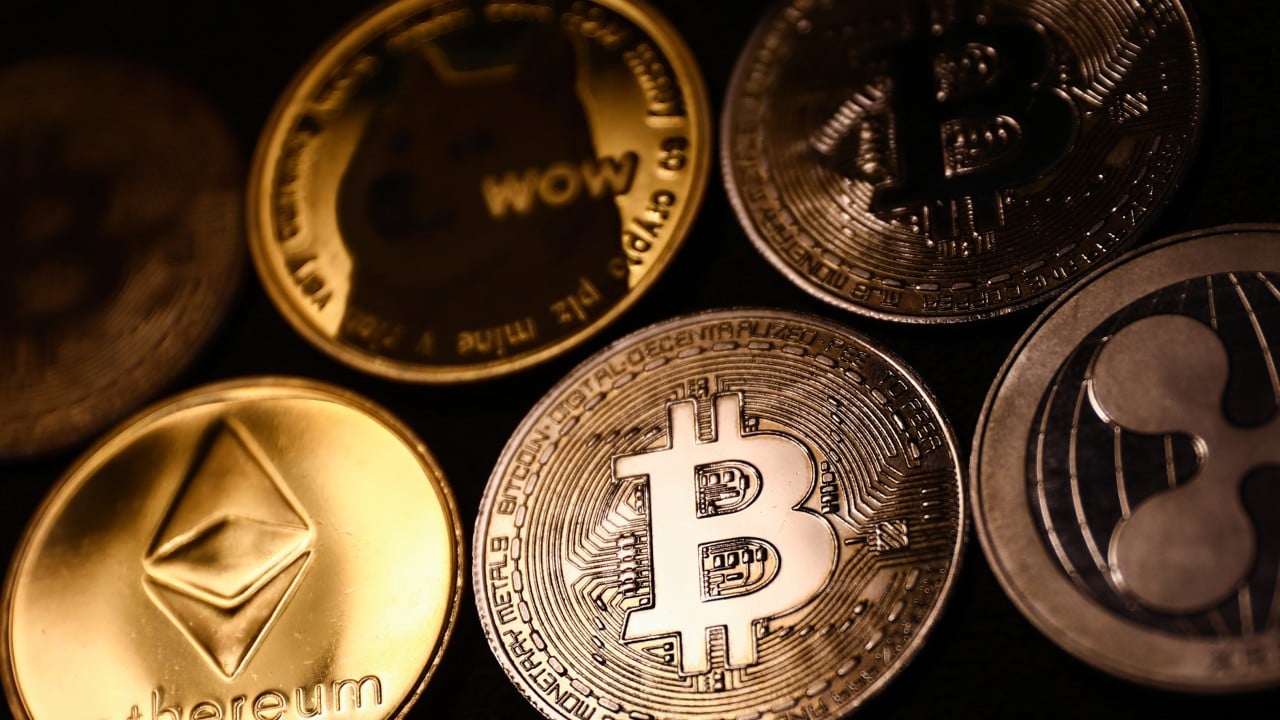
However, Hong Kong's efforts have been hampered by high compliance costs and a prolonged market downturn. One Hong Kong-based exchange, CoinEx, announced recently that it would cease operations due to "excessive and unreasonable" regulatory uncertainties. Bitcoin briefly surpassed US$80,000 last month, marking its first increase in three months, but has since slid and is now nearly 40% below its October record high of US$126,000.
As of Wednesday, the largest cryptocurrency token had fallen about 5% to below US$75,000 following the US Senate vote.
Written by urgent.news from SCMP Business's reporting — not their text. Machine-written — may contain errors; check the original before relying on it.
This story
This is one outlet's version. Read the fullest account.
- US crypto bill stumble sparks call for Hong Kong to seize ‘critical strategic window’ scmp.com
- Hong Kong unveils first five-year plan to add jobs, homes, align closer to mainland China investing.com
- China, Hong Kong shares gain on tech strength, as investors await Fed brecorder.com
- Hong Kong crypto exchange CoinEx to shut down after 9 years techinasia.com