UPI's new pricing phase: Who pays, who benefits?
The introduction of MDR on select UPI transactions has sparked debate among industry leaders including Nithin Kamath, Sameer Nigam, Ashishkumar Chauhan and Ashneer Grover over who should pay, how much and who benefits.
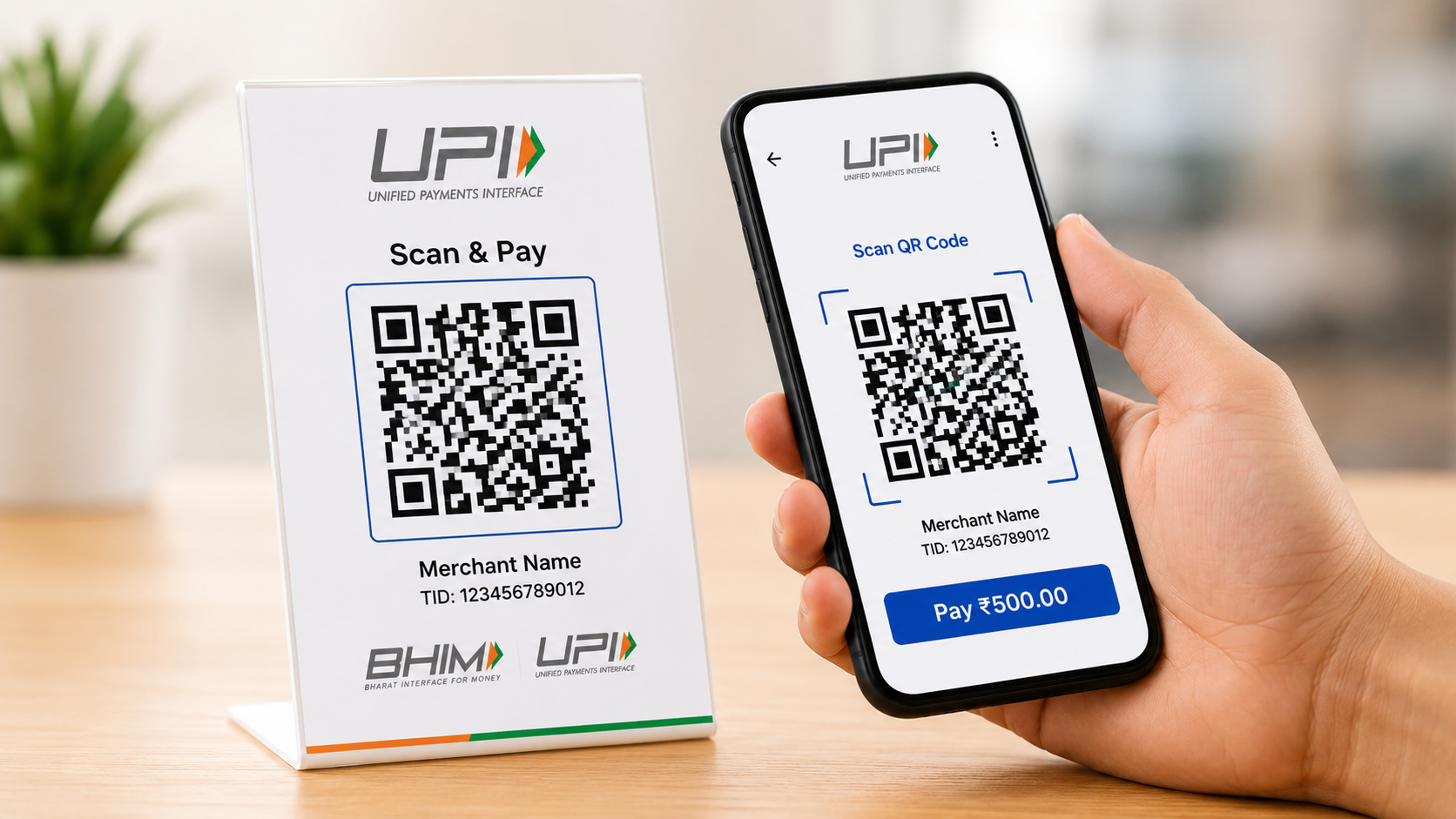
UPI, India's prominent digital payment network, is set to implement a new pricing model as of October 15, 2026. This change will introduce a merchant discount rate (MDR) for select person-to-merchant UPI transactions exceeding Rs 2,000. The MDR, a fee paid within the payments ecosystem, aims to generate revenue for banks and payment companies without imposing direct charges on consumers or disrupting small merchants.
The government has capped the MDR at 0.4% of transaction value, with a maximum fee of Rs 300 per transaction. However, some sectors, such as railways, telecommunications, insurance, fuel, and agricultural inputs, will instead face a flat Rs 5 charge. Capital market payments, including those related to mutual funds, securities, and brokers, will incur an MDR of 0.02%, capped at Rs 300.
To promote UPI adoption among small merchants, the government will create a dedicated fund equivalent to 5% of total MDR collections. Fintech leaders have voiced varying opinions on the new system. While PhonePe co-founder and CEO Sameer Nigam supports the framework, expressing optimism about its potential to help PhonePe secure an IPO filing, Zerodha's Nithin Kamath has raised concerns about its impact on the broking industry.
Kamath argues that the proposed MDR could disproportionately affect brokers who may incur costs without generating revenue, potentially undermining the feasibility of zero-brokerage equity delivery models. NSE's Ashishkumar Chauhan also acknowledged the possibility of an initial negative impact on transaction volumes, but expects it to normalize over time.
Former BharatPe co-founder Ashneer Grover, however, expressed skepticism about the need for a merchant charge in UPI, arguing that the network has already generated significant economic benefits for banks and the wider economy, and that merchants might pass the cost on to consumers. The debate surrounding the new UPI pricing phase underscores the challenges of balancing the costs of maintaining a robust digital payment infrastructure with the need to keep digital payments affordable and accessible for merchants.
The final revenue-sharing formula remains to be determined, with banks, payment apps, and aggregators each claiming a stake in the estimated Rs 16,000 crore to Rs 17,000 crore annual revenue pool.
Written by urgent.news from YourStory's reporting — not their text. Machine-written — may contain errors; check the original before relying on it.