Twenty years on, BRICS faces a defining choice
Amid shifting global power dynamics and emerging economies seeking a stronger voice, a central issue for BRICS today is whether it should continue as an informal group or take steps toward becoming a formal organization.
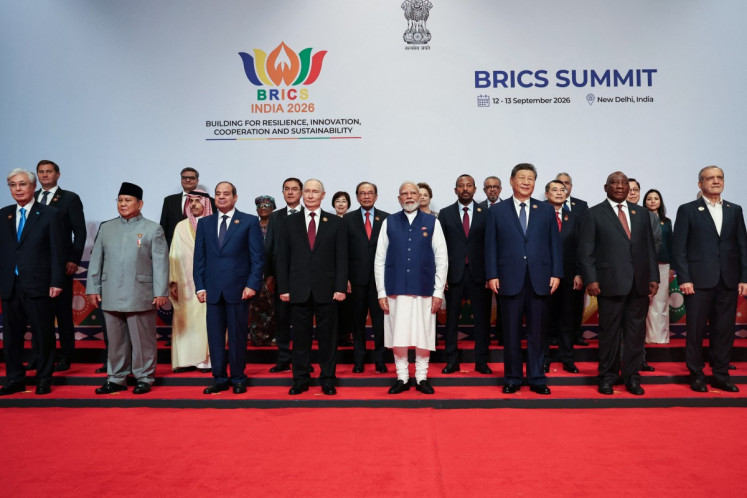
Twenty years after its founding, the BRICS group confronts a pivotal decision: whether to remain an informal alliance or evolve into a formal international organization. Emerging economies, seeking a louder global voice, have found strength in this bloc's consensus-driven approach. Unlike the G7, BRICS operates without a formal charter, relying instead on voluntary cooperation among its members.
However, this flexibility has sparked debate over the bloc's future structure and effectiveness. Formalization could bring both benefits and drawbacks. While it might stifle the group's flexibility with increased bureaucracy and rigid decision-making, it could also empower BRICS to challenge the dominance of the G7 and other Western-dominated organizations.
The recent New Development Bank (NDB), established in 2014, illustrates BRICS' ability to create formal institutions with legal recognition. If BRICS adopts a formal charter, it would gain international legal personality, further solidifying its status as a significant player on the global stage.
Written by urgent.news from The Jakarta Post's reporting — not their text. Machine-written — may contain errors; check the original before relying on it.