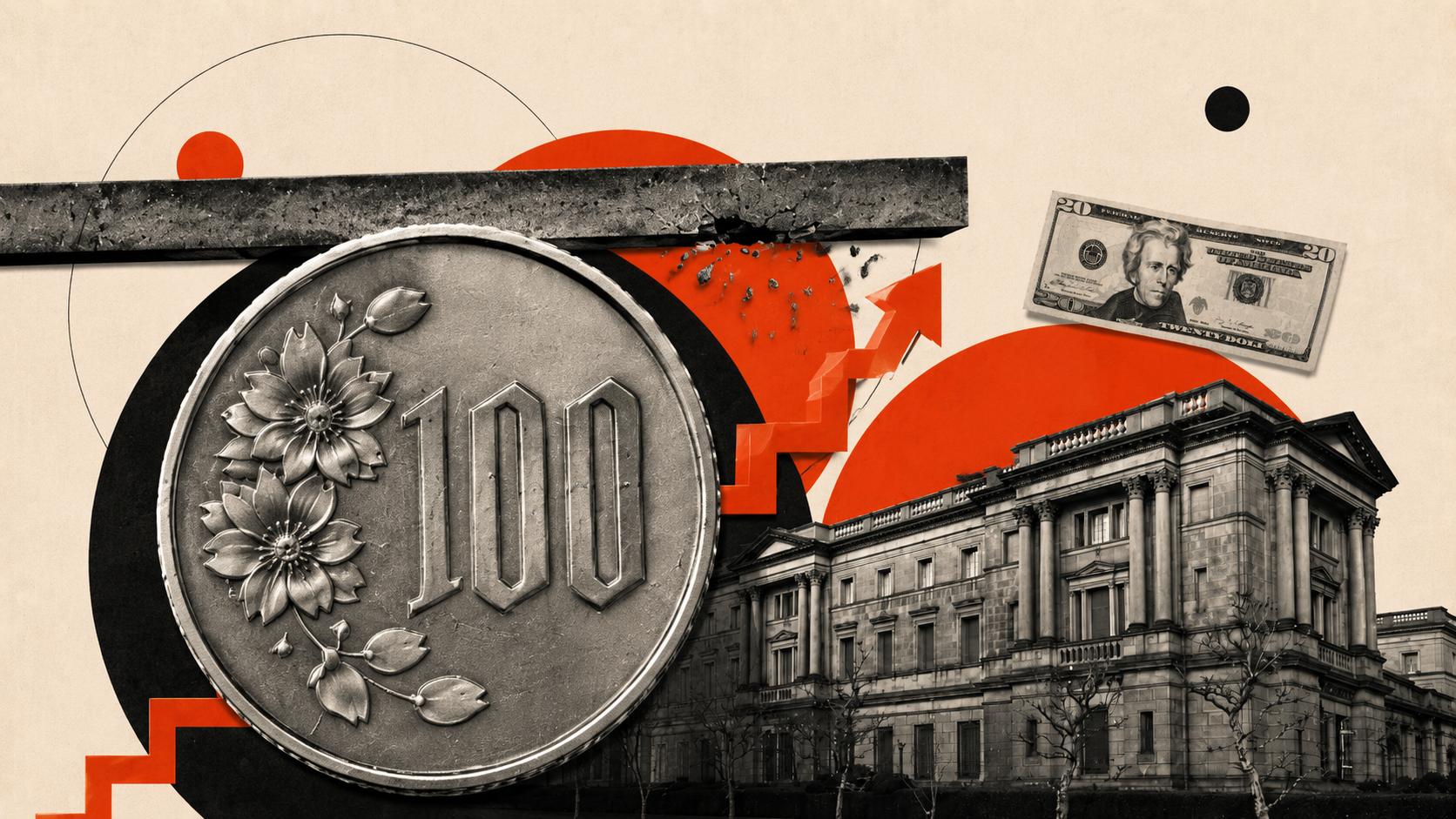
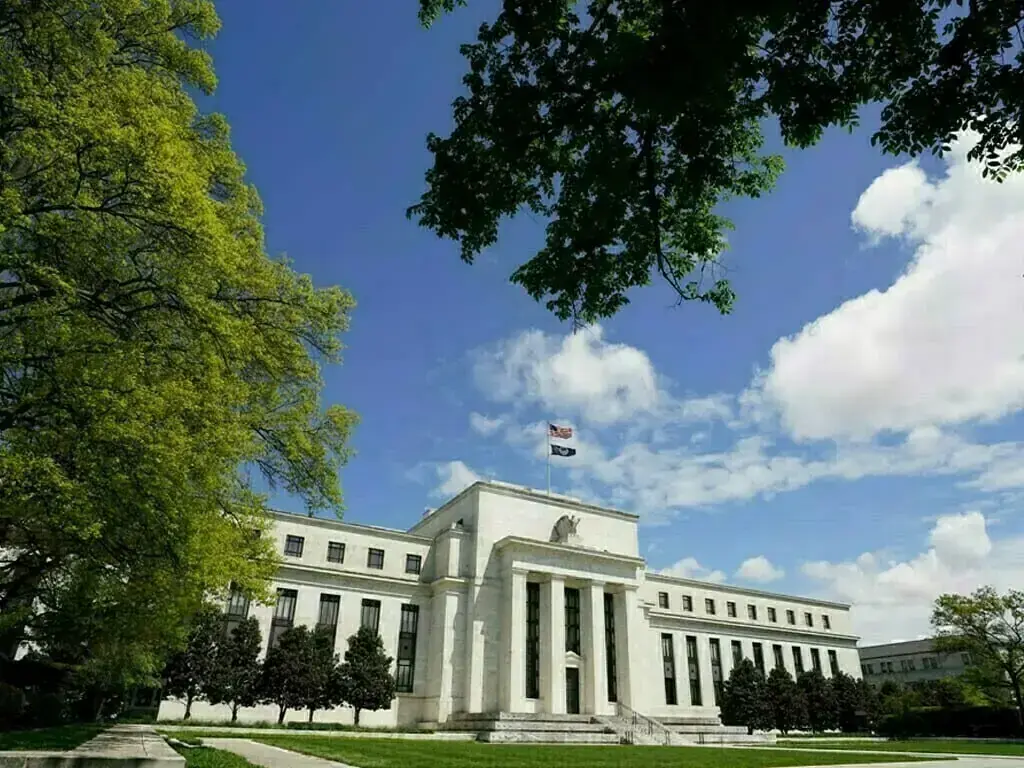
The Fed unanimously agrees to hike interest rates for the first time since 2023, despite Trump’s call for the ‘lowest rates’ in the world
Inflation has been above 2% for five years. The Fed just decided that was long enough.
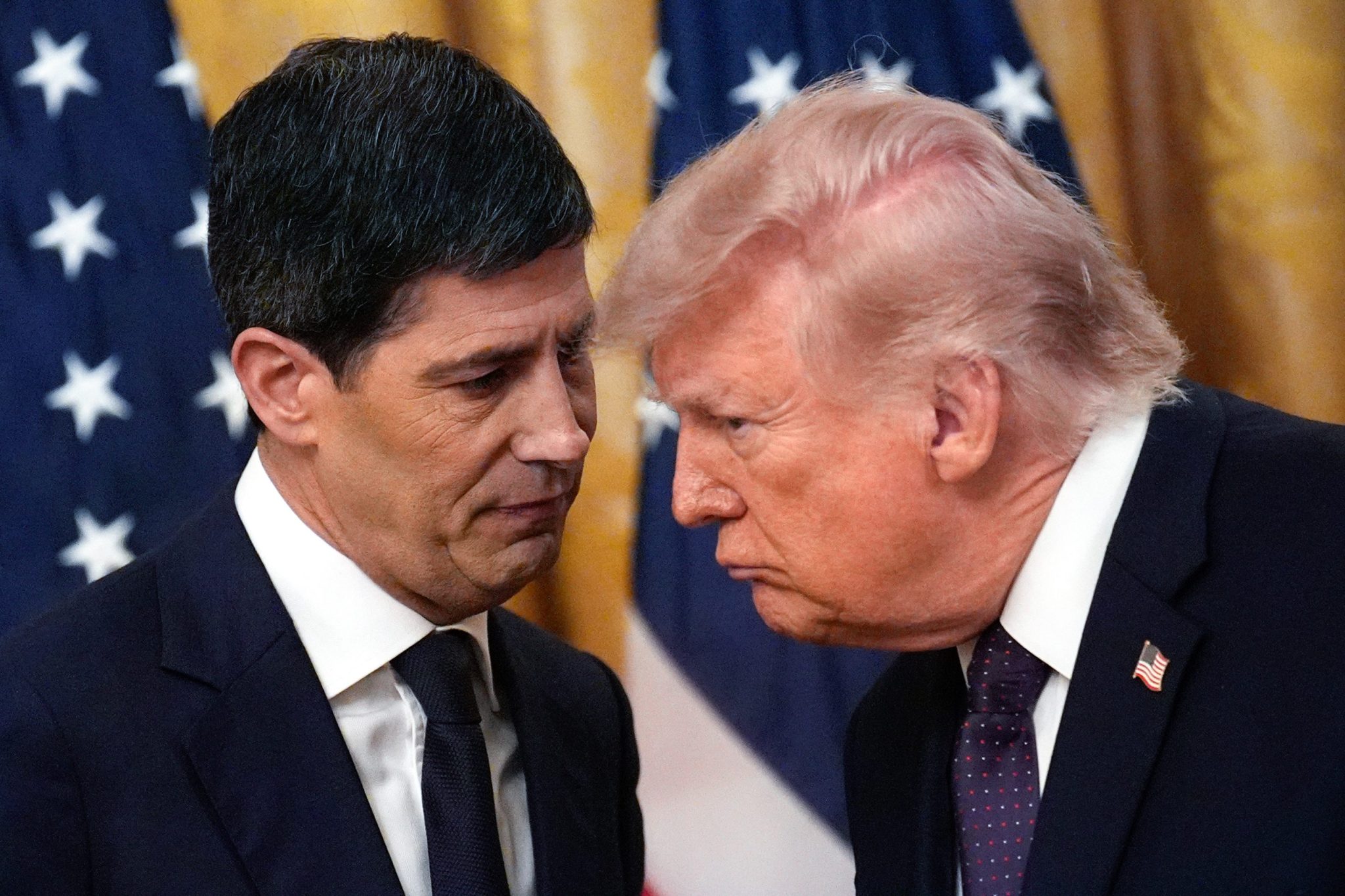
On Wednesday, the Federal Reserve raised its benchmark interest rate by 25 basis points, setting it at a range of 3.75% to 4%. This marked the first rate hike since 2023 and the first policy move from Kevin Warsh since he took on the chair role under President Donald Trump. The vote on the rate increase was unanimous, despite Trump's vocal support for keeping rates at the "lowest levels" in the world.
Warsh had been nominated with the mission of delivering "the lowest rates" in the world, and he delivered on his first opportunity to do so.
During the time between Warsh's confirmation and Wednesday's decision, the President referred to the committee as "clowns" for their desire to implement the rate hike. However, the data presented by the Fed left them with little choice. After five years of inflation exceeding 2%, coupled with gloomy consumer sentiment, an ongoing war in Iran, and strong job reports, the Fed needed to act to bring inflation back to its target of 2%.
The latest Consumer Price Index (CPI) came in at 0.4% for the month of August, quadrupling July's rate. Market futures had already put the probability of a rate hike at 93% by Tuesday, making inaction an unlikely option.
The Fed's statement did not include any forward guidance, but it did reinforce its commitment to achieving price stability. Officials highlighted strong productivity growth and robust capital investment as positive factors. However, dissenting votes in July by Beth Hammack, Neel Kashkari, and Lorie Logan could not sway the committee.
The median official now anticipates the federal funds rate to reach 4.1% by the end of 2026, with no rate cuts expected in 2027. The Fed's projection for the neutral rate remained stable, with seven officials maintaining it around 3%. Warsh suggested the move during the Jackson Hole meeting in late August, pointing out that 54% of the 199 components in the PCE price index had risen more than 3% over the past year, suggesting inflation was not solely due to oil prices or tariffs.
Warsh continued to resist providing forward guidance, preferring a "good family fight" over data interpretation. While the Trump administration has argued that AI investment will boost the economy's capacity to handle demand and that productivity gains will offset inflation, the current state of AI buildout is driving up equipment costs, and there is no evidence suggesting long-term productivity gains. The Treasury market's reaction was initially subdued.
Written by urgent.news from Fortune's reporting — not their text. Machine-written — may contain errors; check the original before relying on it.
This story
This is one outlet's version. Read the fullest account.
- Fed raises rates by 25 basis points, signals one more hike this year gulfnews.com
- US Fed raises interest rates: What does it mean for the UAE? thenationalnews.com
- (2nd LD) Fed raises key interest rate by quarter point in 1st hike since 2023 en.yna.co.kr
- Markets steady after Fed raises rates, points to another hike this year investing.com
- Fed raises rates by 25 basis points in first hike since July 2023 coindesk.com