Fed raises rates by 25 basis points in first hike since July 2023
The widely expected move places the U.S. Federal Reserve's benchmark fed funds rate range at 3.75%-4.0%.
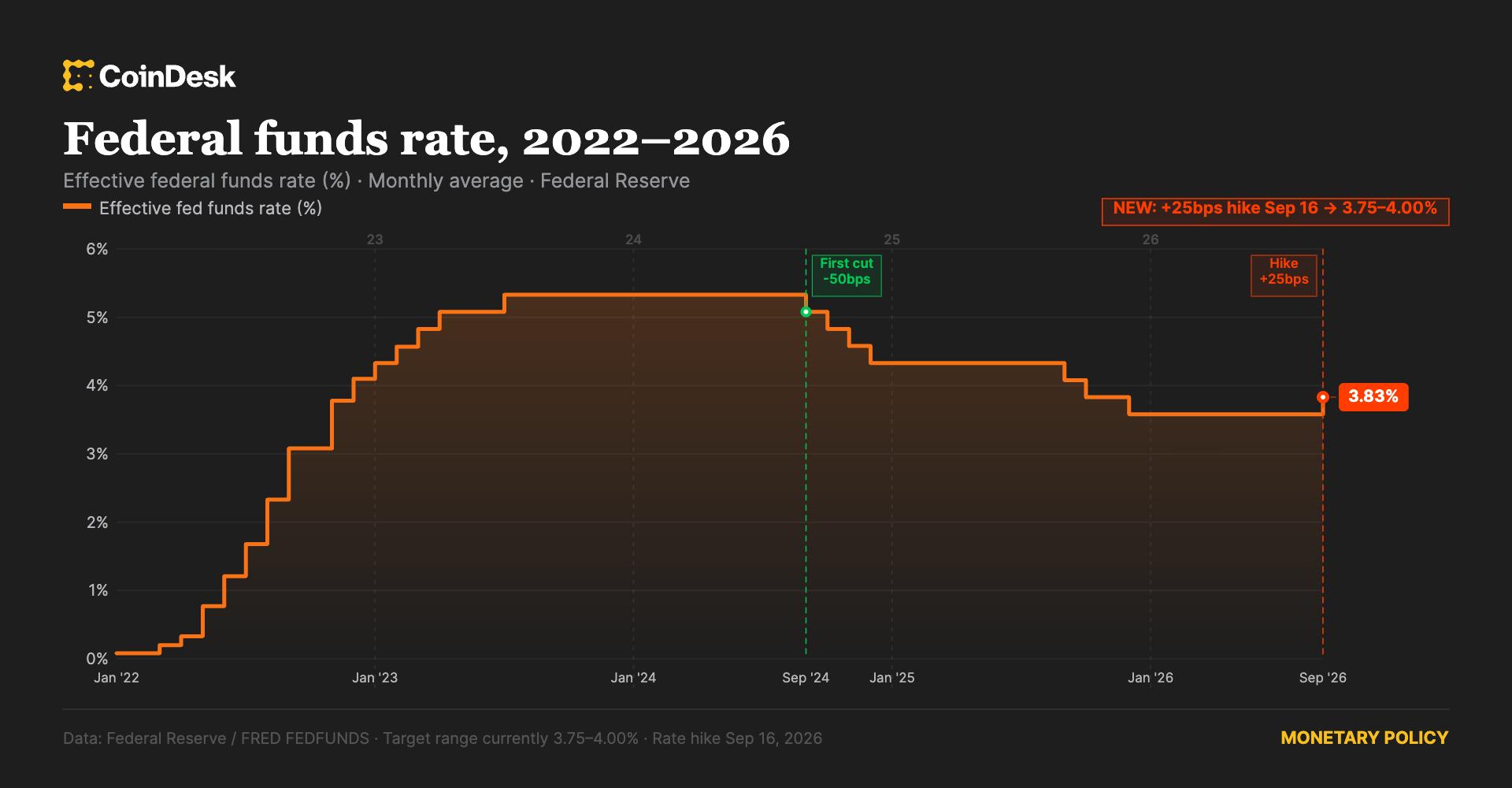
On Wednesday, the Central Bank of the UAE increased its base rate for the Overnight Deposit Facility by 25 basis points to 3.9 percent, following the US Federal Reserve's own 25 basis point increase, raising the interest rate to 4 percent. This move is in response to geopolitical events. Since the dirham is pegged to the dollar, the UAE typically adjusts its interest rates in sync with the US. Prior to the July meeting, rates were set between 3.50 and 3.75 percent, while the UAE kept its base rate at 3.65 percent.
For UAE consumers, the direct impact of this rate increase will be felt through borrowing costs and can affect the Emirates Interbank Offered Rate, or Eibor, which serves as a benchmark for mortgages and other loans. Homeowners with variable-rate mortgages are particularly vulnerable to higher costs. The increased benchmark rates may lead to higher monthly repayments, while borrowers with mortgages nearing their fixed-rate periods may face increased expenses upon renewal.
New homebuyers may discover mortgages to be pricier, potentially limiting the amount they can borrow.
Additionally, personal loans, car finance, and credit-card borrowing could become more expensive as interest rates rise, placing additional strain on household budgets. Conversely, savers might benefit from higher rates, possibly leading banks to offer better returns on fixed deposits, savings products, money-market investments, and some fixed-income assets.
While higher interest rates are aimed at controlling inflation by making borrowing more expensive and promoting saving, they do not directly lower the cost of everyday expenses such as groceries or rent, particularly when inflation is driven by global factors like energy and commodity prices. For example, Brent crude was trading at around $105.8 per barrel at 2:20 pm Washington time, and US inflation was at X percent in X. These factors create a dual challenge for UAE consumers: higher borrowing costs that could limit household spending, alongside persistent inflation driven by global oil and other commodity price fluctuations.
The dirham's peg to the dollar can offer a degree of protection when the US currency strengthens, making imports from countries whose currencies weaken against the dollar more affordable. However, the prices of internationally traded commodities can fluctuate independently. For instance, gold prices in the UAE reached Dh559.50 per gram for 24-karat gold in August.
Changes in gold prices are affecting consumer behavior, with some shoppers opting for lighter jewelry and smaller gold bars and coins instead of making purchases altogether.
Moving forward, the focus will shift to the Federal Reserve's next meeting in late October. Policymakers will closely monitor inflation, employment, and energy prices to determine if additional rate hikes are necessary. For UAE households, the immediate concern will be how this rate increase will influence the Eibor and the rates banks charge on mortgages and other loans.
Written by urgent.news from The National UAE's reporting — not their text. Machine-written — may contain errors; check the original before relying on it.
This story
This is one outlet's version. Read the fullest account.
- US Fed raises interest rates: What does it mean for the UAE? thenationalnews.com
- The Fed unanimously agrees to hike interest rates for the first time since 2023, despite Trump’s call for the ‘lowest rates’ in the world fortune.com
- Markets steady after Fed raises rates, points to another hike this year investing.com
- (LEAD) Fed raises key interest rate by quarter point in 1st hike since 2023 en.yna.co.kr