Supreme Court says falsely quoting judges in barred online court clips crosses over from contempt to crime
A three-judge Bench headed by Chief Justice of India Surya Kant said falsely imputing statements as part of oral submissions made by lawyers in court was also wrong
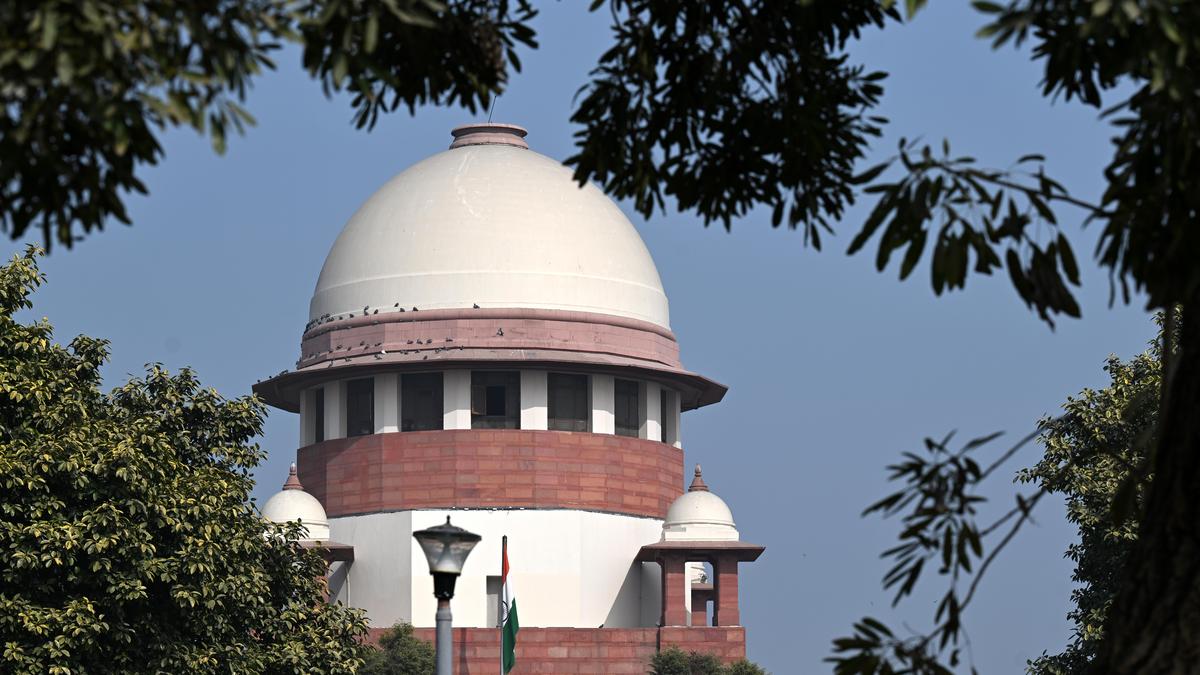
The Supreme Court of India ruled on September 16, 2026, that falsely quoting judges in online court clips constitutes a crime, not just contempt of court. A three-judge Bench led by Chief Justice Surya Kant delivered the decision. The court clarified that distributing live-streamed proceedings without permission is contempt, but inserting false statements or improperly attributing remarks to judges elevates the offense to a criminal act.
The ruling followed a petition from a lawyer alleging reputational harm due to the online circulation of a video of his court appearance, which violated Supreme Court orders banning the use of raw or edited audio and video of judicial hearings without prior permission from the Secretary General of the Supreme Court or the Registrars General of the relevant High Courts.
Written by urgent.news from The Hindu's reporting — not their text. Machine-written — may contain errors; check the original before relying on it.
This story
This is one outlet's version. Read the fullest account.
- A crisis is shaking Brazil’s Supreme Court. Here’s what to know winnipegfreepress.com
- Supreme Court blocks Trump’s plan to restrict mail-in ballots capitalfm.africa
- Supreme Court blocks Trump’s plan to restrict mail-in ballots kahawatungu.com
- Supreme Court blocks Trump’s plan to restrict mail-in ballots adomonline.com
- Supreme Court blocks Trump’s plan to restrict mail-in ballots myjoyonline.com
- Supreme Court blocks Trump’s plan to restrict mail-in ballots thechronicle.com.gh
- Supreme Court blocks Trump's plan to restrict mail-in ballots bbc.co.uk