Singapore ministers earn millions. What do other Asian leaders make?
Singapore’s ministers are among the world’s highest paid, a system its leaders have defended as necessary to attract capable people into public service and reduce the temptation of corruption. Its latest salary review has once again put the spotlight on that approach, while highlighting a wider regional divide over how Asian governments value political leadership and public service. Under the…
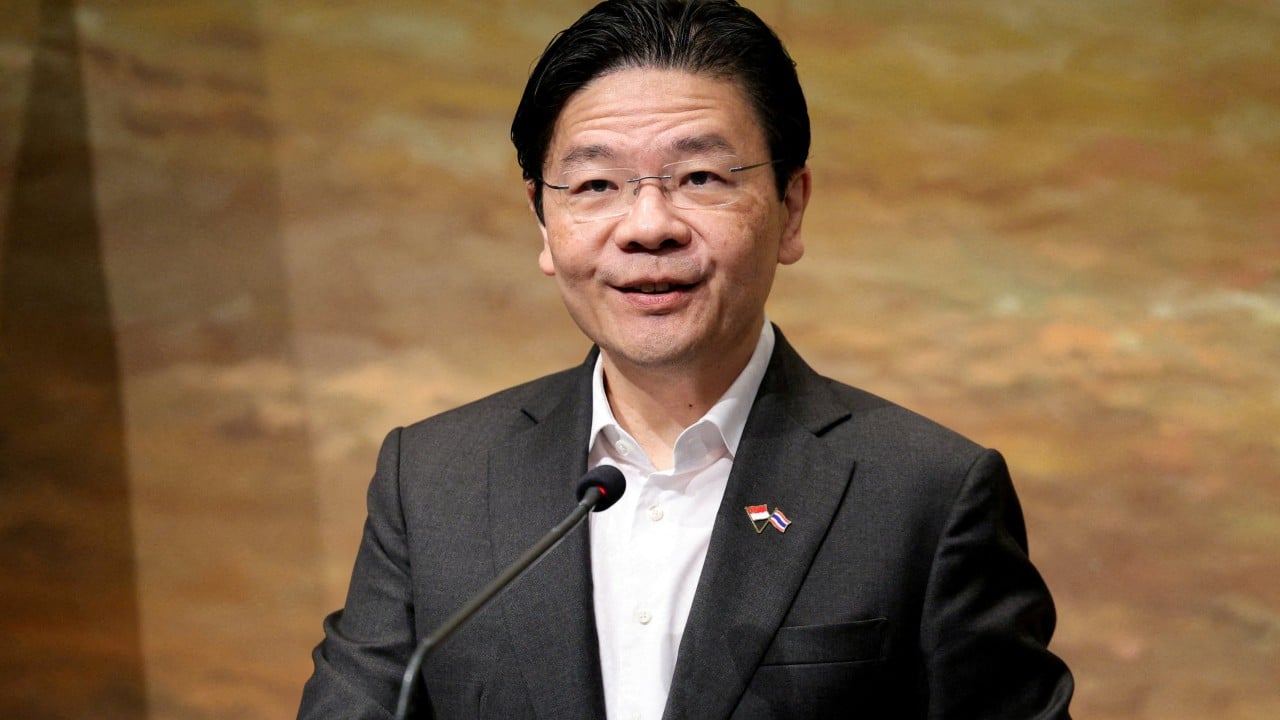
Singapore's ministers lead the world in terms of earnings, a system that the island nation's leaders defend as essential to attract skilled professionals and deter corruption. Recently, the spotlight has been on their lucrative pay packets, highlighting a broader disparity in how Asian governments value political leadership and public service.
Prime Minister Lawrence Wong's annual salary will reach S$3.6 million (US$2.83 million) on October 15, nearly quadruple that of Hong Kong's leader, John Lee Ka-chiu. Wong has pledged to donate the S$1.4 million increase over a five-year period, while serving ministers will gradually move toward the S$1.8 million entry-level benchmark.
The debate surrounding ministerial compensation extends beyond mere salary figures. It offers insight into the values governments hold, what citizens expect, and the level of visibility into a leader's total compensation. While Singapore champions high salaries as a means to attract talent and prevent corruption, the situation takes on different shades across the rest of Asia, influenced by bureaucratic hierarchy, austerity, symbolic restraint, or off-the-books perks that aren't always reflected in the headline figures.
Donald Low, a former civil servant and professor of practice in public policy, suggests that Singapore's high ministerial salaries stem from a deliberate decision to recruit mid-career professionals and senior public servants, rather than relying solely on politicians who rise through party ranks. This unique political model necessitates high ministerial salaries to compensate for the additional responsibilities and public scrutiny these individuals face. Singapore's high ministerial pay is a consequence of this model, according to Low.
In contrast, Hong Kong's chief executive's salary is set based on an administrative benchmark. Following a 1.3% adjustment in July, the chief executive's cash pay stands at about HK$475,600 (US$61,000) monthly, or HK$5.71 million annually. This figure is calculated at 112.5% of the wages received by the chief secretary for administration. The chief executive's salary is positioned within an established public-service hierarchy, rather than asking what a political leader might earn in the private sector.
Japan's approach to ministerial compensation is rooted in a tradition of financial restraint. Until December 2025, Japanese prime ministers and cabinet members entitled to additional executive pay and bonuses, in addition to their standard legislators' salaries. However, these leaders have long maintained a practice of returning their executive pay and bonuses, a tradition that began after the 2011 Fukushima disaster.
Prime Minister Sanae Takaichi, who will receive standard Diet pay and year-end allowances totaling about 21.9 million yen (US$141,000) annually, described the change as "self-sacrificing reforms," emphasizing the government's commitment to financial restraint.
Written by urgent.news from South China Morning Post's reporting — not their text. Machine-written — may contain errors; check the original before relying on it.