SC to decide fate of reassessment notices affecting taxpayers
The dispute is about whether regular jurisdictional assessing officers can issue reassessment notices to taxpayers or whether the notices must be issued through the faceless assessment system.
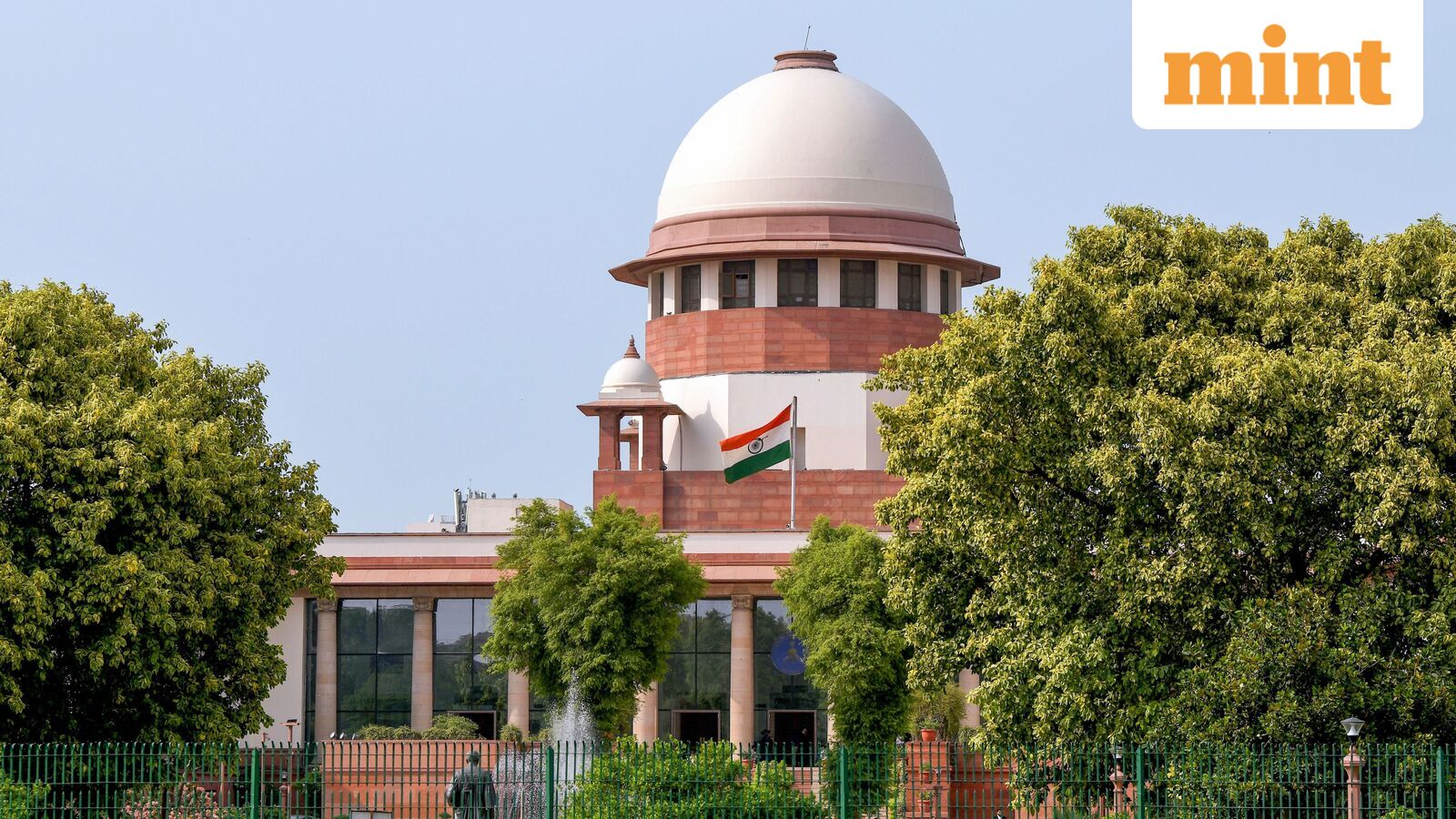
The Supreme Court has agreed to hear the Centre's challenge against a Punjab and Haryana High Court ruling that invalidated a provision of the Income-Tax Act, potentially impacting reassessment proceedings involving multiple taxpayers. Additional Solicitor General N. Venkataraman informed the court that the High Court's decision had created a "huge vacuum" in the reassessment process.
The bench, led by Chief Justice Surya Kant, agreed to list the Centre's plea for consideration on Friday. The core issue revolves around whether regular jurisdictional assessing officers (JAOs) can issue reassessment notices or if they must follow the faceless assessment system. This matter has been before the Supreme Court twice this year.
In April, the apex court reviewed numerous appeals on the same issue but did not rule on the merits after Parliament introduced Section 147A through the Finance Act, 2026. The court subsequently referred the cases back to the respective high courts to address the new provision, including its constitutionality and retrospective impact.
The Punjab and Haryana High Court subsequently invalidated Section 147A on September 10, deeming it unconstitutional. A reassessment enables the tax department to reopen a taxpayer's past assessment if it suspects unreported income. Prior to reopening, the department may seek taxpayer clarification, and upon deciding to proceed, it can issue a notice under Section 148.
The government introduced the faceless assessment system to minimize direct interactions between taxpayers and tax officers. The system electronically assigns cases, and taxpayers typically communicate online. The CBDT issued a scheme under Section 151A on March 29, 2022, for faceless assessment and reassessment proceedings, allowing automated case allocation.
However, certain regular JAOs continued issuing reassessment notices in various cases, which taxpayers contested in high courts, arguing that reassessment proceedings should adhere to the faceless system. Jurisdictions differed, with some permitting JAOs to issue notices and others maintaining that notices must follow the faceless system.
The debate began after Chandigarh lawyer Jyoti Sareen filed her income-tax return in September 2020, and her tax officer issued a Section 148 notice in March 2024 to reopen her assessment. Sareen challenged the notice in the Punjab and Haryana High Court, contending that her regular tax officer lacked authority and that the notice should have been issued through the faceless system.
On July 19, 2024, the High Court struck down Sareen's reassessment notice, finding that the process did not comply with the faceless scheme. This ruling prompted numerous taxpayers to challenge similar notices. The High Court subsequently dealt with over 500 connected petitions during the proceedings. Meanwhile, Parliament introduced Section 147A via the Finance Act, 2026, with retrospective effect from April 1, 2021, to clarify that regular assessing officers could handle reassessment proceedings, and notices from them could not be deemed invalid solely due to the faceless assessment system.
Taxpayers objected, arguing that the amendment did not resolve the legal issues identified by the courts. The Punjab and Haryana High Court ultimately rejected Section 147A, stating that Parliament could not retrospectively validate an earlier legal position when constitutional courts had already deemed the procedure defective. The court held that the amendment sought to circumvent earlier judicial findings.
Now, the government is appealing to the Supreme Court, which will need to determine whether Section 147A can safeguard reassessment proceedings initiated by regular tax officers and whether Parliament can confer retrospective effect on the provision.
Written by urgent.news from Live Mint's reporting — not their text. Machine-written — may contain errors; check the original before relying on it.