Morning Bid: A time to hike?
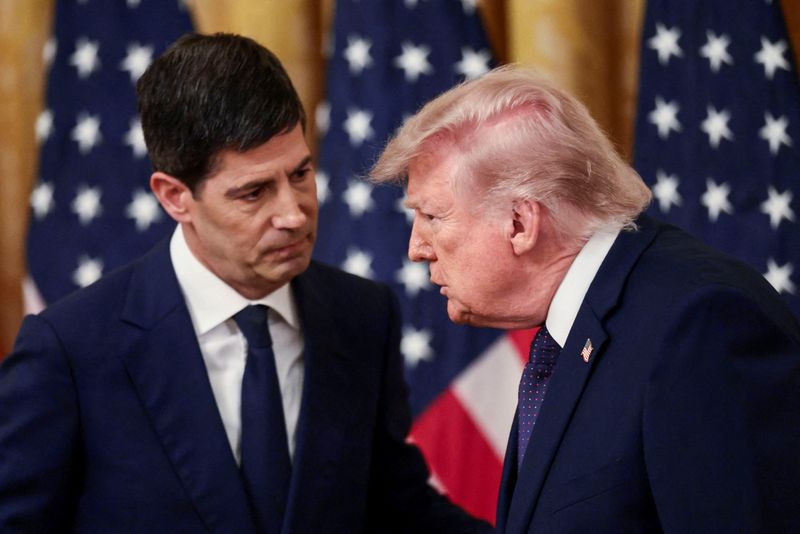
On September 16, the financial world braced for the Federal Reserve's decision, with expectations centered on a possible quarter-point rate hike since 2023. This hike would mark the central bank's first increase in nearly two years, a move driven by resurgent oil prices and the 10-year Treasury yield breaching the 5% threshold. The Federal Reserve Chair, Kevin Warsh, stands at a crossroads, as the White House hesitates to support rate hikes while Warsh's hawkish tone at Jackson Hole suggests a readiness to tighten monetary policy.
The Fed's decision carries significant weight, particularly given that U.S. inflation remains above target and unemployment is low. The administration of President Donald Trump has also signaled discontent, threatening to cease trading with nations if the Fed doesn't lower rates, though market reactions have been muted. Warsh's upcoming press conference at 2:30 p.m. EDT will be scrutinized for any clues about the Fed's future direction.
Despite recent increases in bond yields, they have recently retreated from the 5% mark, fluctuating around this level. Treasury Secretary Scott Bessent attributed this volatility to global factors, including rising energy prices and geopolitical tensions. Oil prices, currently hovering near $100 per barrel, have been influenced by Middle Eastern unrest and Saudi Arabia's suspension of loading operations at its Yanbu port.
While oil prices have recently softened, they remain 19% higher than their start-of-month levels due to ongoing supply disruptions. The financial market consensus leans towards the Fed raising its benchmark rate to a 3.75%-4.00% range, signaling further tightening measures.
Written by urgent.news from Yahoo Finance's reporting — not their text. Machine-written — may contain errors; check the original before relying on it.