Researchers swap in human brain cells for a mouse's cortex
The results are only a slight improvement over missing the entire brain structure.
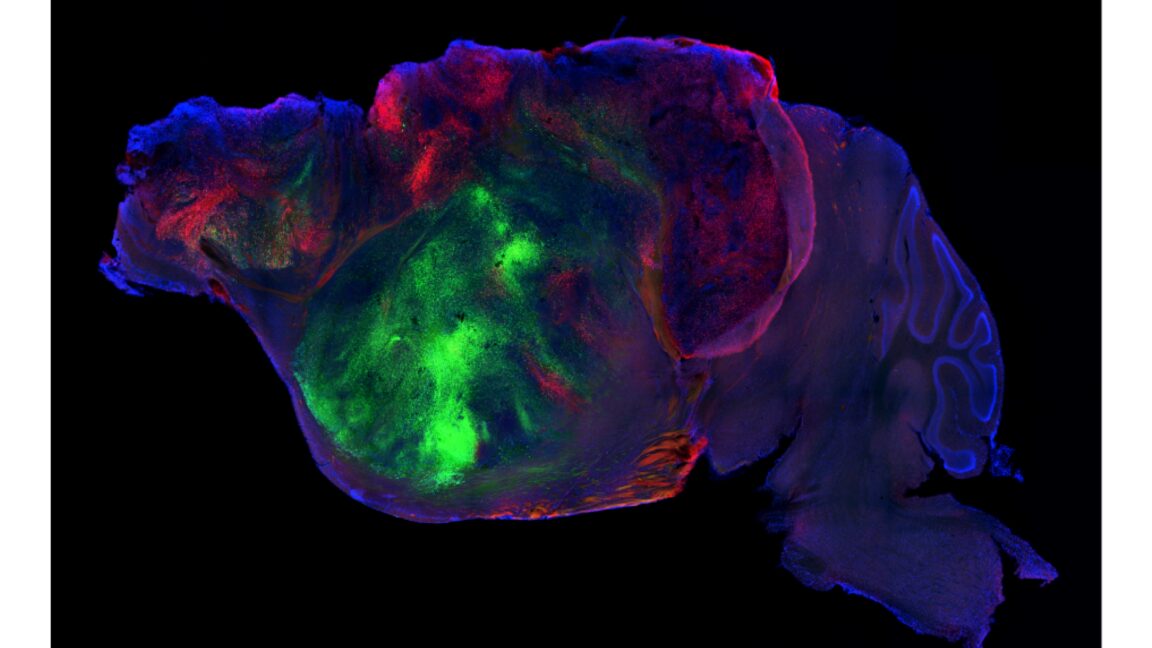
Researchers at Stanford University have found a novel approach to studying brain organoids by transplanting human brain cells into a portion of the mouse brain. Organoids, which are small patches of tissue grown from stem cells, have shown promise in modeling human diseases due to their ability to replicate many cell types and structures.
However, even the most advanced organoids lack crucial connections with specialized brain structures, hindering their ability to function normally. In a significant development, the Stanford team genetically removed a substantial area of the mouse brain and replaced it with human brain organoid cells. The organoids, possessing a three-dimensional structure and various specialized cells, offer a more natural model compared to flat disassociated cells in a culture dish.
Despite their benefits, organoids still have limitations, including the absence of a circulatory system for chemical processing and the lack of immune cell movement within the tissue.
Written by urgent.news from Ars Technica Science's reporting — not their text. Machine-written — may contain errors; check the original before relying on it.
Also reported by 1 other outlet
- Researchers swap in human brain cells for a mouse's cortex arstechnica.com