Rekindling fear in Ekurhuleni: The deaths of eight women reignite a national crisis
As South Africa grapples with the brutal reality of violence against women, this harrowing tale of loss reveals a crucial need for action. Eight families are left seeking justice as the nation confronts its relationship with patriarchal violence. The time for change is now.
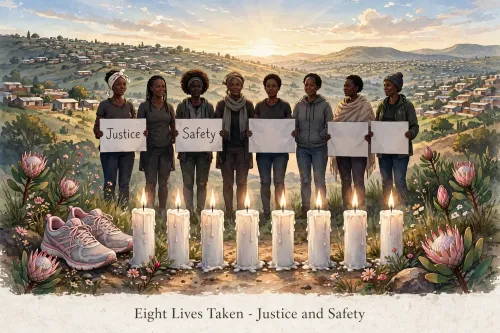
In Ekurhuleni, the deaths of eight women have reignited a national crisis, causing fear and anger among residents. Families are waiting for answers, while women are increasingly cautious about walking, running, or traveling in public spaces. Across the country, mothers are checking on their daughters and partners are ensuring loved ones arrive safely. Social media is filled with grief, frustration, and speculation surrounding the tragic events.
The investigation into these deaths is ongoing, with police yet to establish a single perpetrator or connection between the cases. It is crucial to separate opinion from fact, as rumor cannot substitute for evidence. The anger felt by many is understandable, recognizing that another life should not be reduced to another statistic. However, this anger must be channeled into protection, justice, and change, rather than remaining as unproductive rage.
Fear is a valid response, but it should not dictate the lives of women. A nation cannot ask half its people to avoid public spaces, alter their routines, or live in constant fear. Women need to feel safe, but safety is not the only solution. They must be free to live their lives without constantly fearing for their well-being.
This crisis is not just a women's issue; it is a national test of our values, institutions, and humanity. Patriarchy thrives by placing the burden of managing male violence on women, asking questions about their clothing, behavior, and choices. Instead, we must focus on why these men commit such violent acts, who failed to intervene, and what changes are necessary at various levels of society.
Institutions, including police, must conduct thorough investigations and keep families informed, ensuring that evidence is protected and leads are followed. Political leaders must acknowledge their role in women's suffering and actively work towards change. Men must also take responsibility, challenging misogyny, supporting survivors, and creating a safer environment for women.
Safety measures can help in the immediate aftermath, but they should not become permanent solutions. Women's agency must remain at the forefront, with speaking out, saying no, reporting, and organizing as powerful actions. However, agency should not be mistaken for responsibility for preventing violence against women, which rests solely with the perpetrators. The focus must be on building safety and fostering a deeper change in societal attitudes towards men, power, conflict resolution, and the value of life.
Written by urgent.news from IOL's reporting — not their text. Machine-written — may contain errors; check the original before relying on it.