Ramaphosa declares 4 November 2026 a public holiday for local elections
Ramaphosa urged South Africans to use the opportunity of the public holiday to exercise their democratic right to vote,
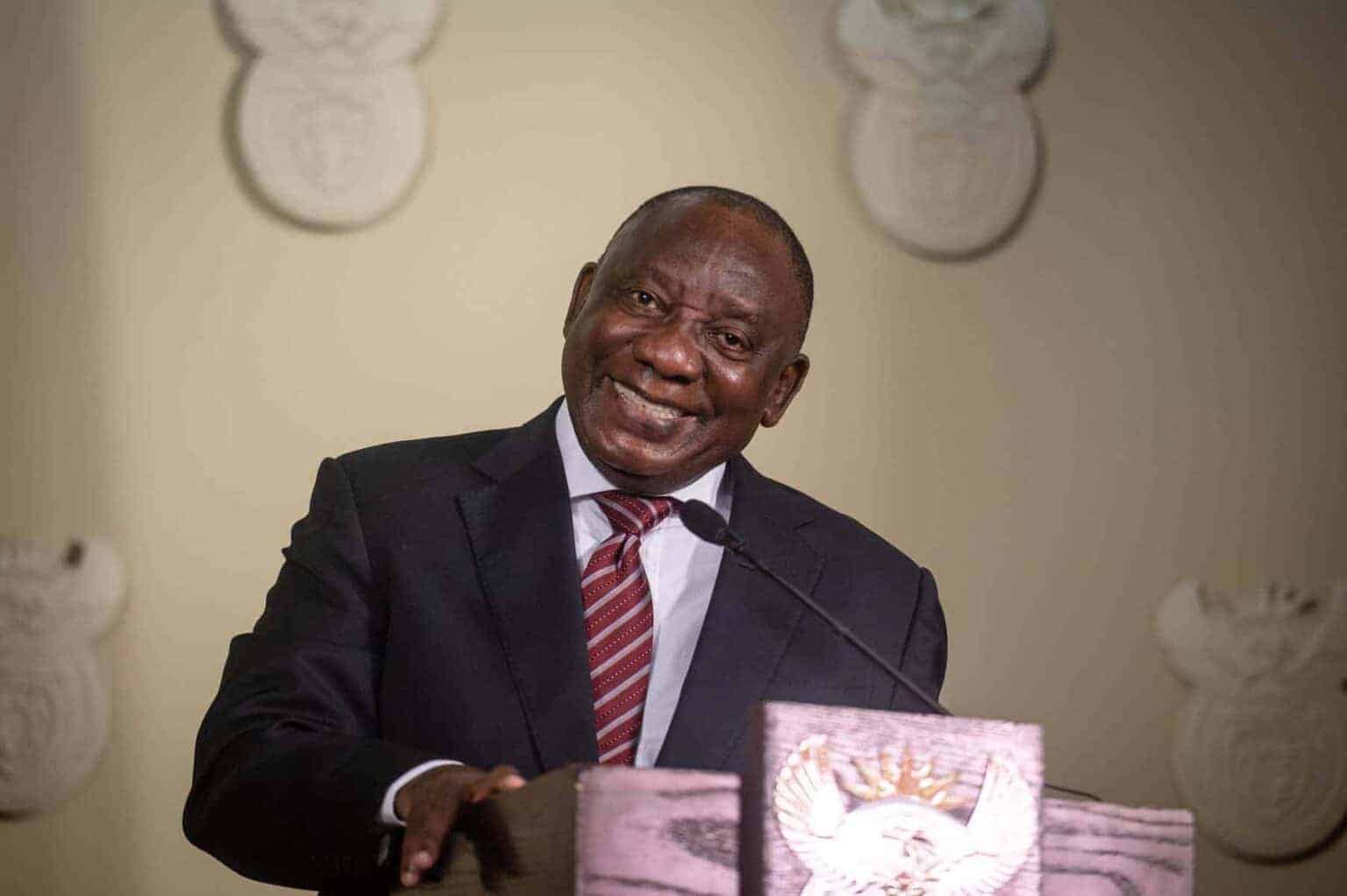
South Africa's President Cyril Ramaphosa announced on Tuesday, 16 September 2026 that November 4th, 2026 will be a public holiday to celebrate the local government elections. This decision was made in accordance with the Public Holidays Act of 1994. The President emphasized the importance of exercising one's democratic right to vote and influencing local public representatives and service delivery.
According to the Presidency, voters will only be able to cast their ballots at polling stations in their registered wards, and employers are encouraged to provide time off for their employees to vote.
Leading up to the 4 November 2026 local elections, non-governmental organization Africa Check cautioned voters against falling prey to political spin. They pointed out that politicians often compare achievements against vague baselines. For instance, the Economic Freedom Fighters claimed that local government is in a "deep and worsening crisis," while DA leader Geordin Hill-Lewis promised to "fix what has been broken." The African National Congress countered that "we have not collapsed; we must be doing something right."
Africa Check also warned against being misled by big numbers. They pointed out that the DA's promise of 200,000 jobs in Johannesburg, while seemingly impressive, only represents less than a fifth of the 1.07 million people currently unemployed. They cautioned that numbers can be accurate yet still misleading. Additionally, Africa Check highlighted other tactics used by politicians, such as vague promises like "reliable water," reporting activity instead of outcomes, and campaigning on issues beyond municipal control.
Voters were urged to ask questions such as: By when? Out of how many? Who is responsible? What happened to past promises?
Written by urgent.news from The Citizen's reporting — not their text. Machine-written — may contain errors; check the original before relying on it.