Politics of farming: failure or curse?
Farming has traditionally been regarded as the backbone of Ghana’s economy, providing food, employment and livelihoods for millions of people across the country. The post Politics of farming: failure or curse? appeared first on Ghana Business News .
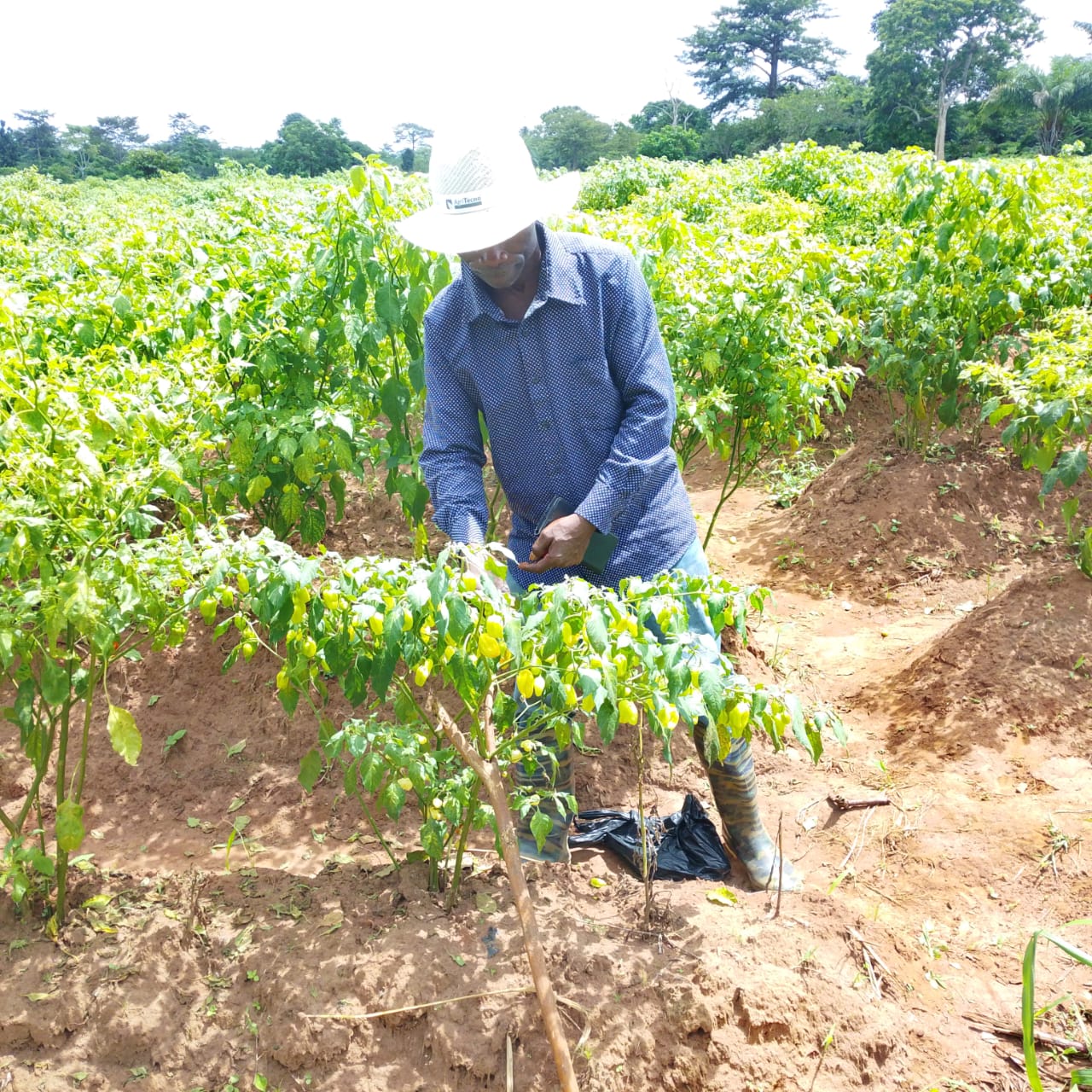
Ghana's farming sector is crucial to the nation's economy and livelihoods, yet faces challenges that impact farmers and consumers alike. Politics has traditionally played a significant role in shaping agricultural policies and promises, but the question remains whether these have translated into long-term improvements for Ghanaian farmers or if politics has become a failure or a curse for the industry.
Election campaigns often highlight farmers and their needs, with politicians promising increased access to resources, infrastructure development, and better market opportunities. However, during and after elections, many farmers continue to face persistent challenges such as high production costs, limited access to finance, post-harvest losses, poor transportation, inadequate irrigation, unreliable markets, and fluctuating prices.
The role of farmers as businesspeople is crucial, with many investing considerable resources into their crops without guaranteeing a fair return. The gap between the price farmers receive and the price consumers pay is often substantial, with transportation costs, middlemen, and storage expenses all contributing to the disparity.
While successive governments have attempted to support the agricultural sector through various programmes, their success has varied due to issues such as implementation, continuity, and sustainability. Agricultural development should not be dependent on the ruling political party, as farmers require policies that remain consistent over time. A long-term national agricultural vision is necessary to ensure the sector's growth and sustainability.
Another concerning trend is the declining interest among young people in pursuing farming as a career. Many see agriculture as physically demanding, financially risky, and poorly rewarded, preferring to seek employment in urban areas instead. This exodus of young individuals from rural areas poses a threat to the future of Ghana's food production, as the country cannot rely on an ageing farming population indefinitely while still needing to produce local food.
To address these challenges, Ghana must reposition agriculture as a modern and profitable business, providing farmers with access to land, affordable financing, modern machinery, digital technology, irrigation, storage facilities, and reliable markets. Furthermore, investment in agro-processing and industrialisation is essential, as increasing production alone will not solve issues related to perishable goods and long-distance transportation.
Developing nearby processing facilities can help farmers produce consistently for known markets and reduce losses associated with transporting fragile goods.
Lastly, it is important to recognize that politics itself is not inherently opposed to farming. Good politics can provide the necessary policies, legislation, investments, and institutional support required to transform the sector. However, when agricultural policies become overly politicised, discontinued with changes in government, or merely used as campaign promises, it undermines the sector's long-term prospects.
Consistency and stability in agricultural policies are crucial for Ghanaian farmers and the nation's food security.
Written by urgent.news from Ghana Business News's reporting — not their text. Machine-written — may contain errors; check the original before relying on it.