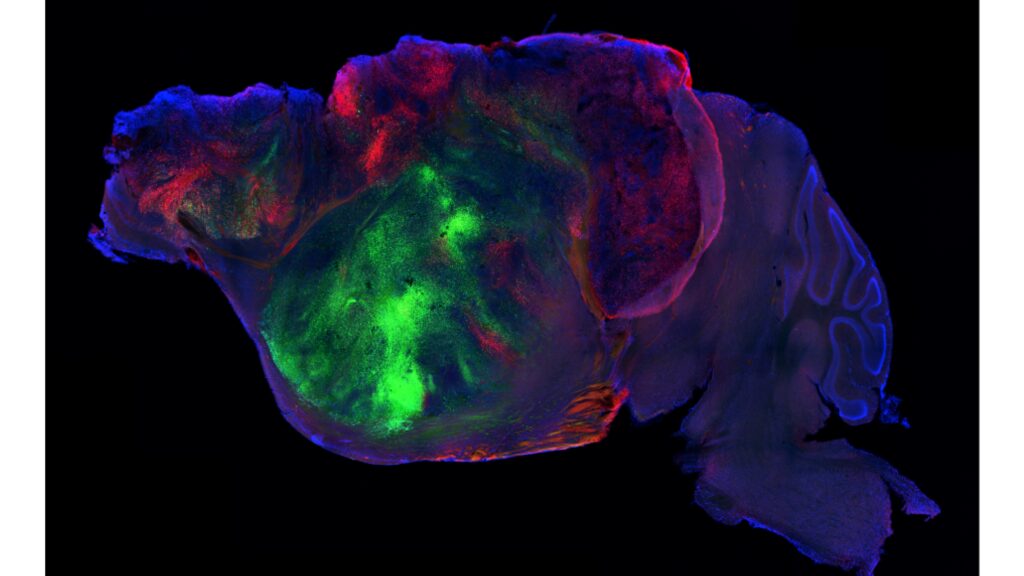
NASA’s Integrated Medical Model (IMM)
Planning crewed missions to the Moon and Mars involves preparing for the medical realities of long-duration space travel. Factors like cosmic radiation, microgravity, and distance from Earth create unique health considerations for astronauts. To anticipate these needs ahead of time, NASA developed the Integrated Medical Model (IMM). The IMM is a decision-support tool that uses […] The post NASA’s…
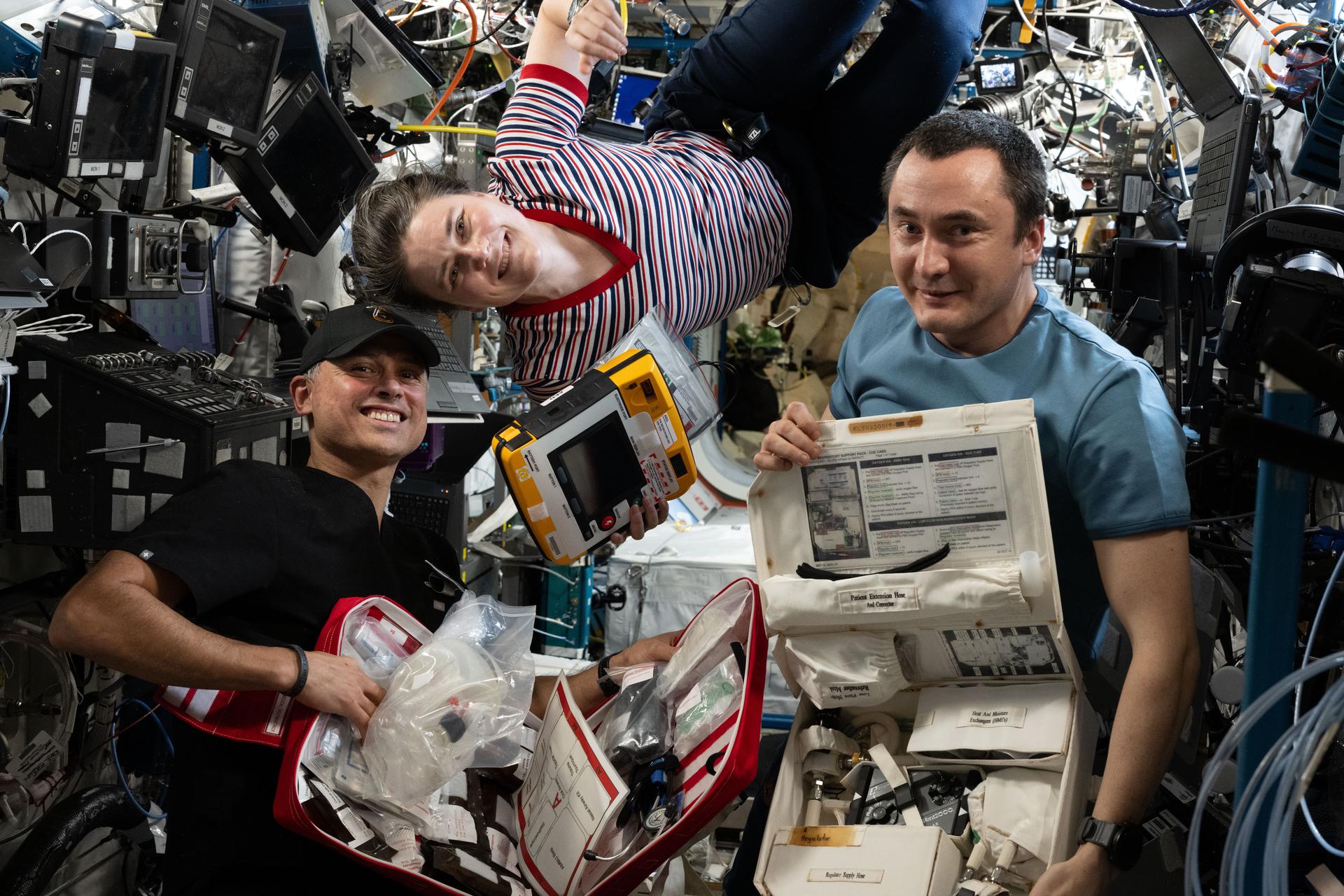
As the United States readies its crewed missions to the Moon and Mars, meticulous planning for the medical aspects of long-duration space travel is essential. Key factors such as cosmic radiation, microgravity, and the distance from Earth introduce unique health challenges for astronauts. To address these considerations proactively, NASA has developed the Integrated Medical Model (IMM).
This sophisticated decision-support tool leverages medical data and computational modeling to predict health risks before a mission takes off.
The IMM draws from a vast repository of flight records and clinical research stored in NASA's Integrated Medical Evidence Database (iMED). By employing Monte Carlo simulations, the model generates thousands of potential mission scenarios. Each simulation incorporates specific mission parameters like crew size, flight duration, planned spacewalks, and the spacecraft environment. This approach allows planners to assess the risks associated with new mission designs that do not have historical precedents in space exploration.
The model evaluates over 100 medical conditions, encompassing both common health concerns and those specific to spaceflight. These include decompression sickness, radiation sickness, space motion sickness, smoke inhalation, barotrauma, and routine conditions such as infections and kidney stones. The IMM yields several crucial metrics for mission planning, including:
- Total Medical Events (TME): The projected number of illnesses or injuries during the mission.
- Crew Health Index (CHI): An indicator of the crew's overall functional capacity.
- Quality-Adjusted Time Lost (QTL): The estimated time spent on diagnosing conditions, treating patients, and recovering from medical issues.
- Probability of Evacuation and Loss of Crew Life (EVAC/LOCL): The likelihood of a medical emergency necessitating a mission abort or leading to fatalities.
- Resource Utilization: Projections on the amount of medical consumables, medications, and tools required for the crew's health support.
Given the strict mass and volume limitations of spacecraft, these outputs are instrumental in determining the necessary contents of the crew's medical kit (MedCap). Mission planners can optimize the Medical Kit's composition by balancing the required medical coverage against the available cargo space with clear data from the IMM.
This planning approach is particularly important for deep-space exploration, where emergency medical evacuation back to Earth can take hours or even days due to communication delays and the absence of a rapid return option. The IMM equips flight surgeons and engineers with the necessary data to construct resilient, self-sufficient medical systems capable of supporting long-distance space missions.
Written by urgent.news from NASA's reporting — not their text. Machine-written — may contain errors; check the original before relying on it.