Mehr als 100 Menschen getötet: Lateinamerika bleibt gefährlichste Region für Umweltschützer
Wer die Natur verteidigt, lebt in Teilen Lateinamerikas gefährlich. Zwar sinkt die weltweite Zahl der getöteten Umweltschützer - in Brasilien hat sie sich aber binnen eines Jahres mehr als verdoppelt.
In 2023, at least 124 environmental and land activists were killed worldwide, according to Global Witness, a non-governmental organization. Of these, 105 were killed in Latin America, making it the deadliest region by a significant margin. Colombia took the top spot for the fourth consecutive year with 39 activists killed. Brazil and Honduras followed with 26 and 12 deaths respectively, while Mexico and Guatemala saw 10 and 8 killings.
Over three-quarters of the global fatalities were small farmers, indigenous peoples, or black individuals. More than a third of the cases also involved connections to organized crime or hired killers. Despite a global decrease in documented killings, Global Witness warns that the actual number is likely higher. The situation is particularly dangerous in areas where disputes over land and natural resources are prevalent, including regions with mining, resource extraction, deforestation, and agriculture.
Unresolved or unrecognized land claims have led to indigenous communities and small farmers facing land theft, intimidation, and violence. Global Witness emphasizes that environmental defenders are the "eyes and ears of the world on the ground," providing visibility of where ecosystems are destroyed, forests are cleared, or rivers are polluted.
The violence against them reflects a larger struggle for land and resources. Brazil saw its annual number of killings double from 12 to 26, mostly due to demands for recognized indigenous territories and land reform in the states of Rondônia and Pará. Global Witness attributes the concentration of land in the hands of a few large landowners and the expansion of cattle ranching, soy farming, resource extraction, and speculation as the main drivers of conflict.
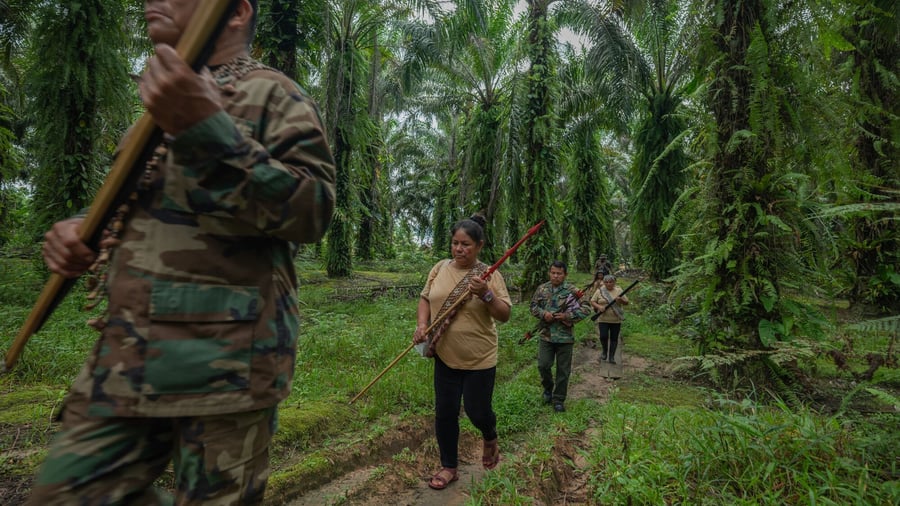
Indigenous communities, such as the Kakataibo in Peru, are taking steps to protect their land, establishing their own security force to defend their territory against organized crime and illegal coca cultivation.
Written by urgent.news from Handelsblatt's reporting — not their text. Machine-written — may contain errors; check the original before relying on it.